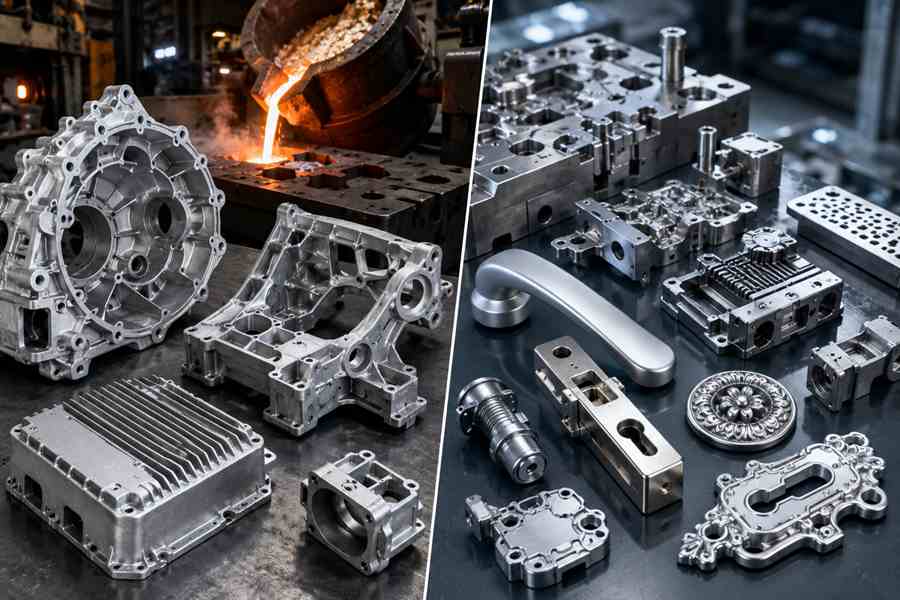
Aluminum casting alloys and zinc alloys are two common materials used in die casting production. Both materials can produce precise metal parts, but they perform differently in strength, weight, surface quality, production cost, and application range.
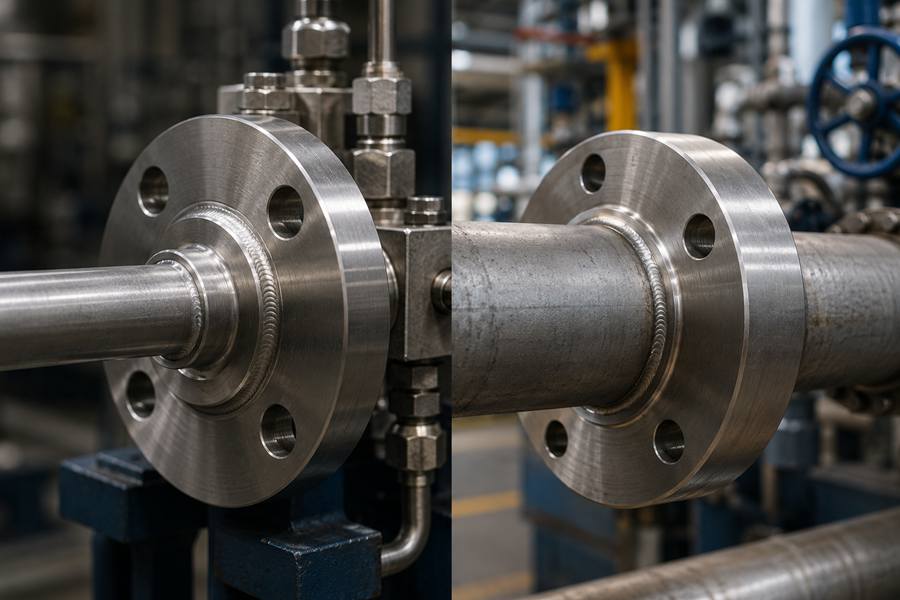
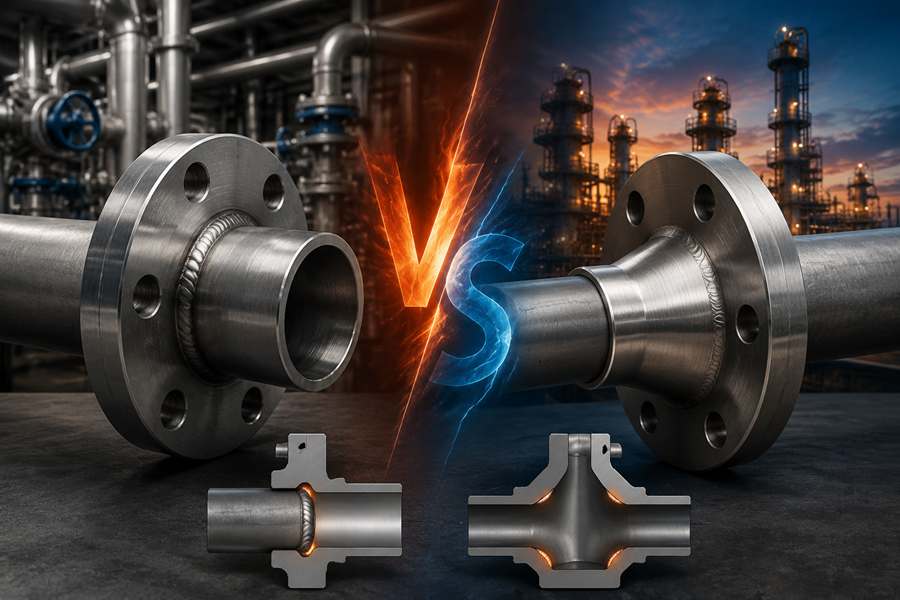
Socket weld and slip-on flanges are designed for different piping conditions and installation requirements. Socket weld flanges focus on accurate connections and compact high-pressure applications, while slip-on flanges provide easier installation for general piping systems.
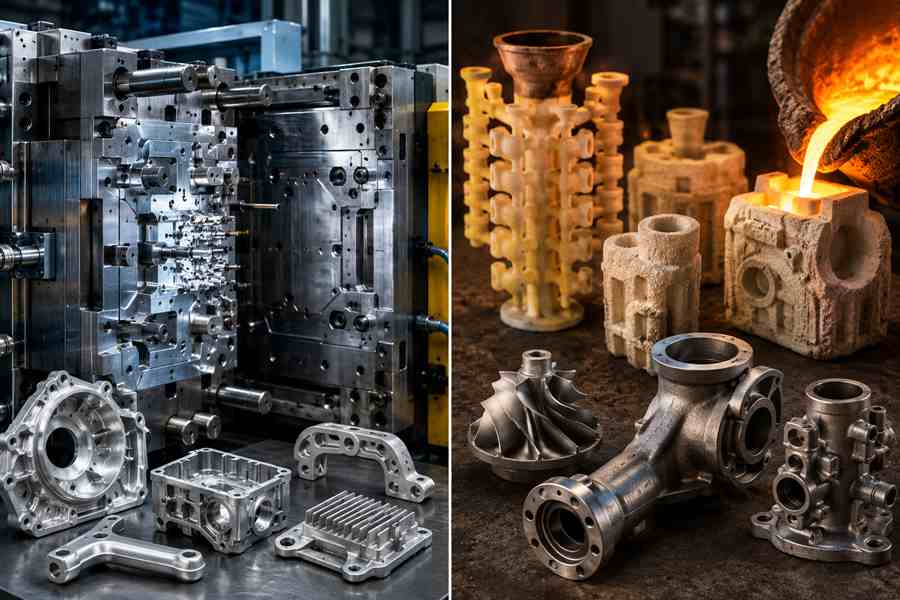
Die casting mold is better for stable designs, high-volume production, and lower unit cost over time. Investment casting mold is better for complex shapes, flexible quantities, wider material choices, and lower initial tooling risk.
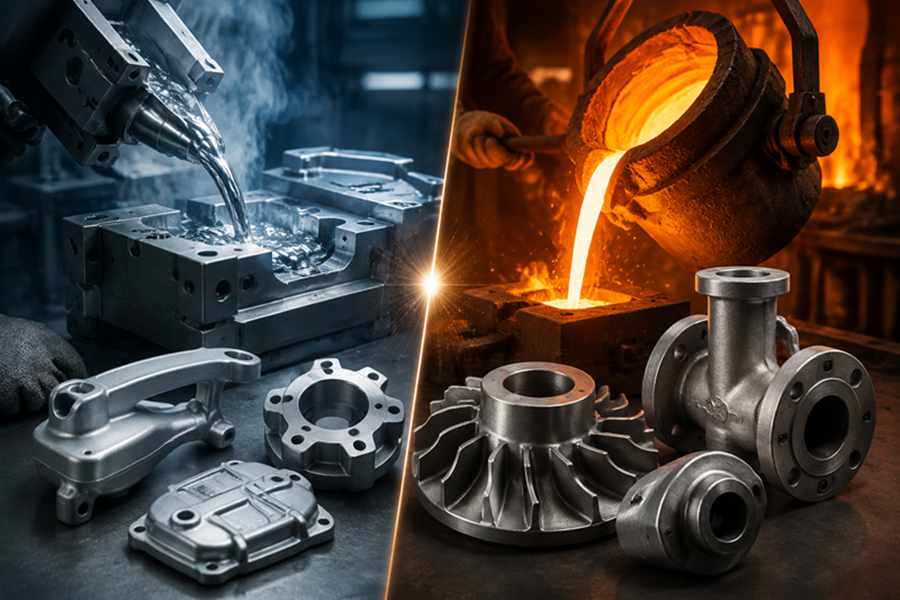
Zinc die casting is better for parts that need efficient mass production, fine details, smooth appearance, and controlled unit cost. Stainless steel casting is better for parts that must resist load, corrosion, heat, wear, or long-term service risk.
Socket Weld Flange favors installation efficiency in stable small-bore systems, while Weld Neck Flange prioritizes stress control and failure prevention in critical pipelines. Selection should follow risk level, not price alone.
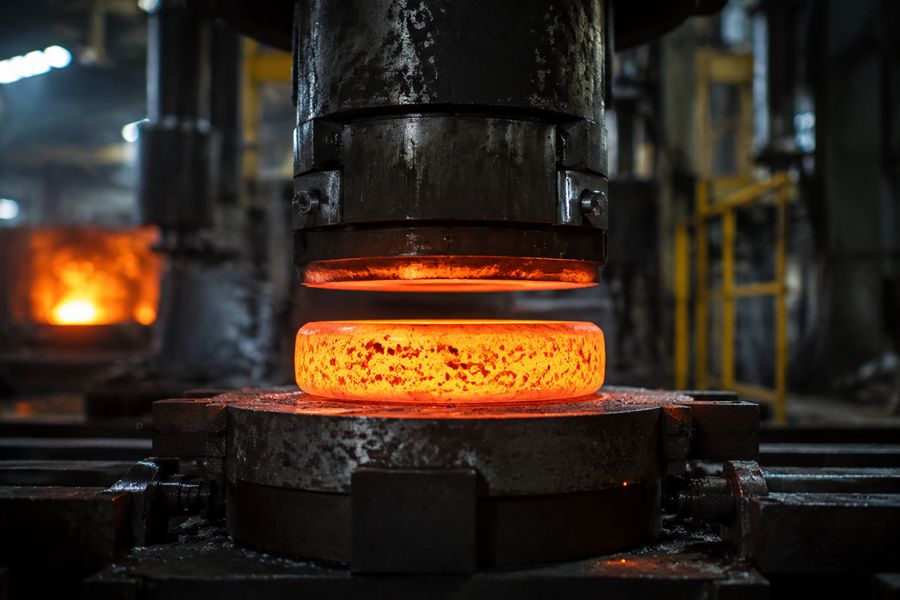
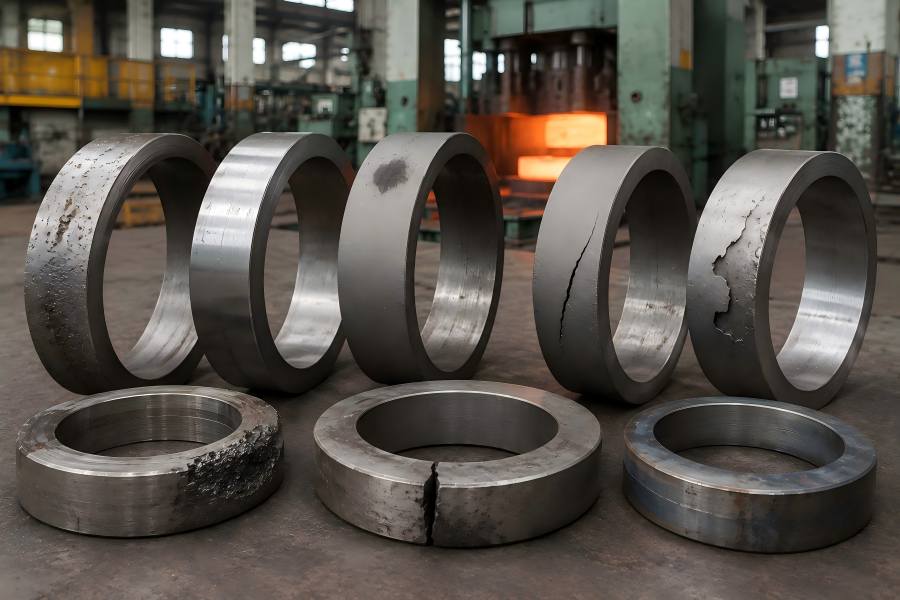
Forging quality depends on more than final dimensions. Six key process checks, from material preparation to inspection, help optimize grain flow, improve strength, and ensure reliable performance in demanding industrial applications.
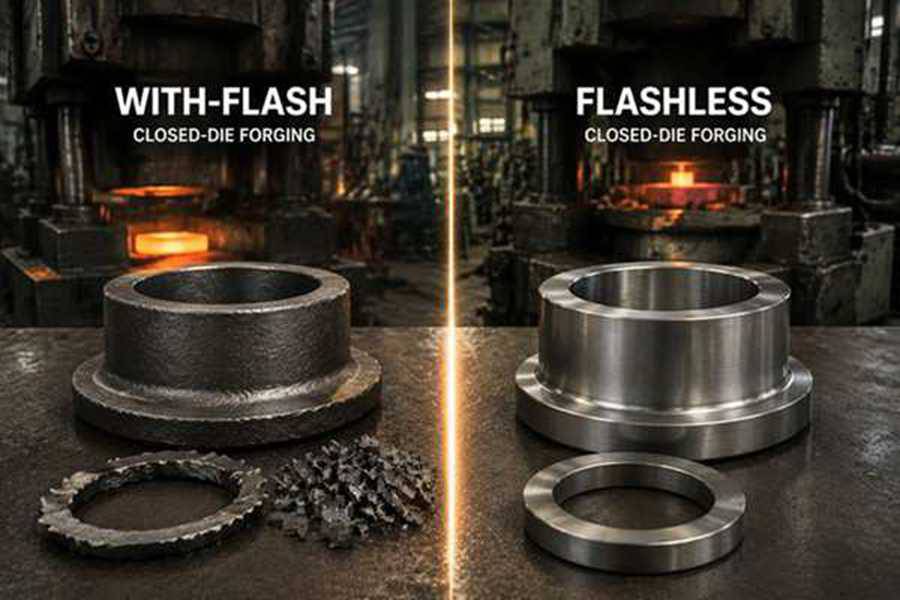
With-flash and flashless closed-die forging differ in material efficiency, accuracy, and production cost. Based on our forging experience, the right choice depends on part design, material, volume, and overall manufacturing requirements.
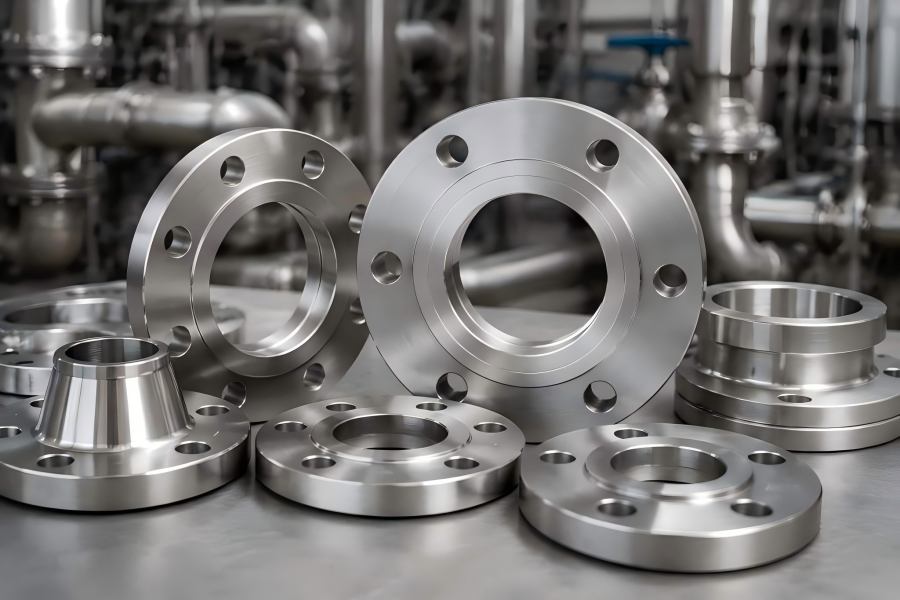
Stainless steel flanges provide secure connections between pipes, valves, pumps, and equipment, supporting efficient assembly as well as routine inspection and maintenance.
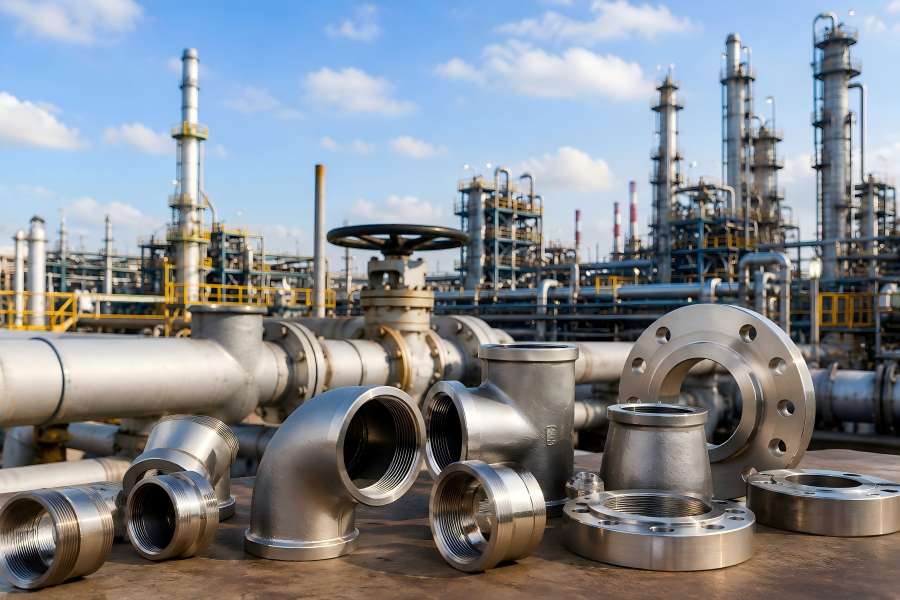
Pipe fittings serve as critical components in oil and gas pipelines, helping you maintain both safety and operational efficiency. Choosing the right fittings prevents leaks, regulates flow and pressure, and supports smooth transitions between pipes of different sizes.
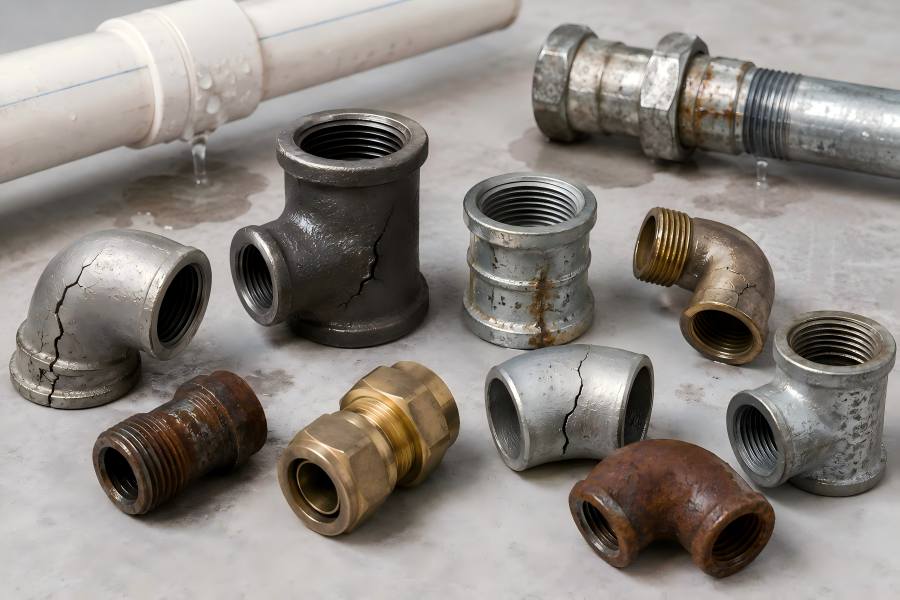
Pipe fittings connect, redirect, branch, and regulate flow in industrial piping systems. Although small in cost, they face high stress and can fail through leakage, corrosion, cracking, or pressure damage.
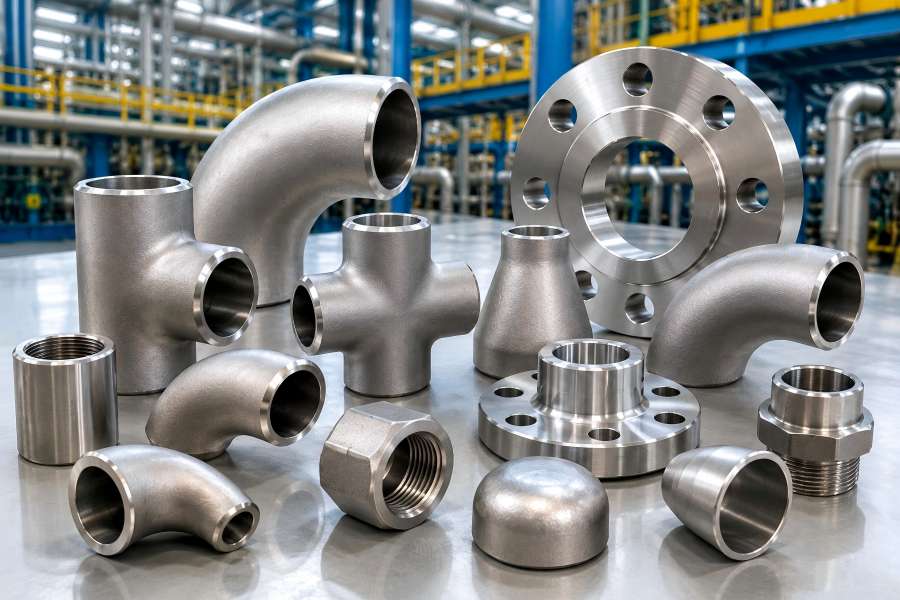
Industrial piping systems rely on metal pipe fittings to connect pipes, change flow direction, branch lines, adapt sizes, and support maintenance. In high-pressure, high-temperature, or corrosive environments, choosing the right fitting is essential for safe, efficient, and reliable operation.