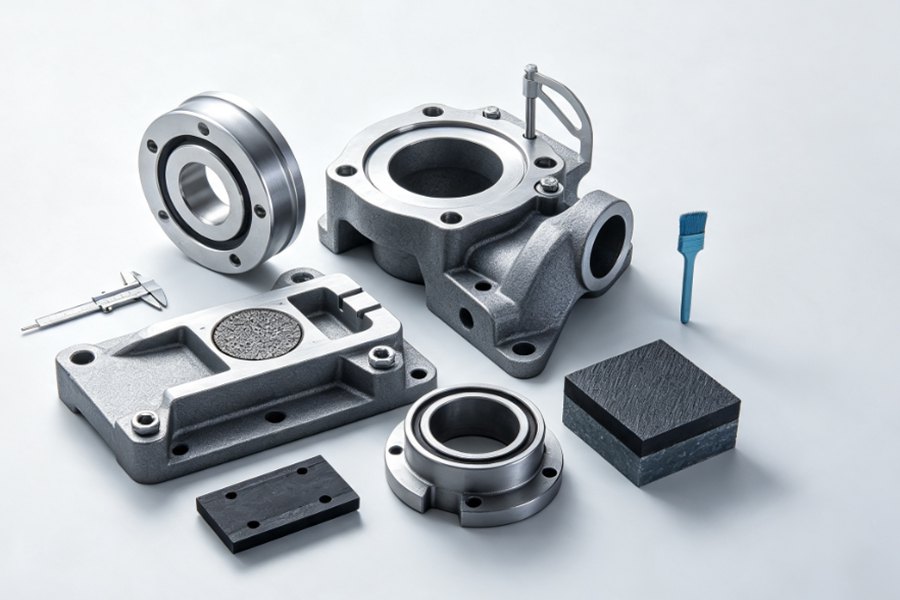
Several key elements govern the lifespan of tailor-made cast spare components: material selection, structural shape, casting finish, heat treatment, machining process, fitting and regular maintenance.
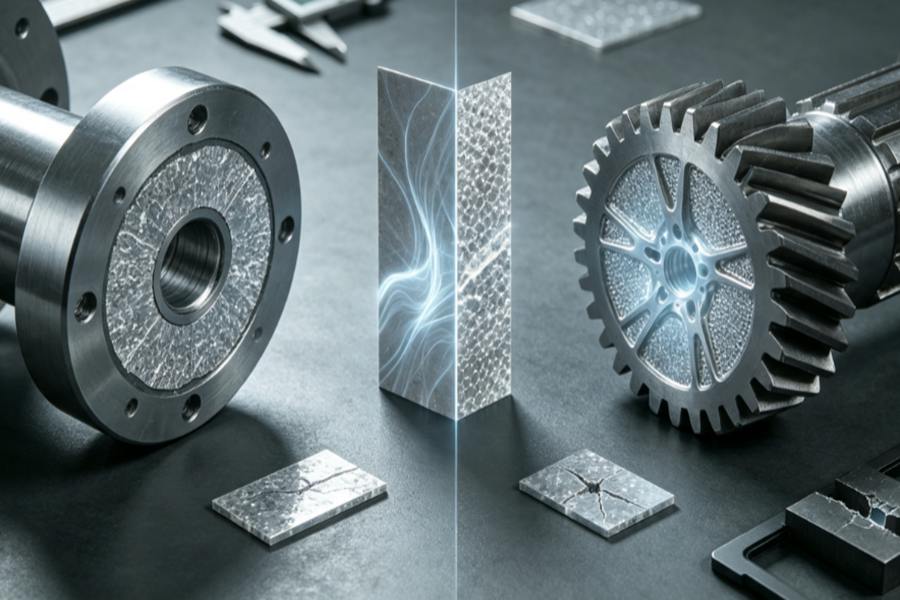
4140 provides strength and toughness for forged hubs, while 8620 offers wear resistance for gear blanks. Choose materials based on loads, heat treatment and usage requirements.
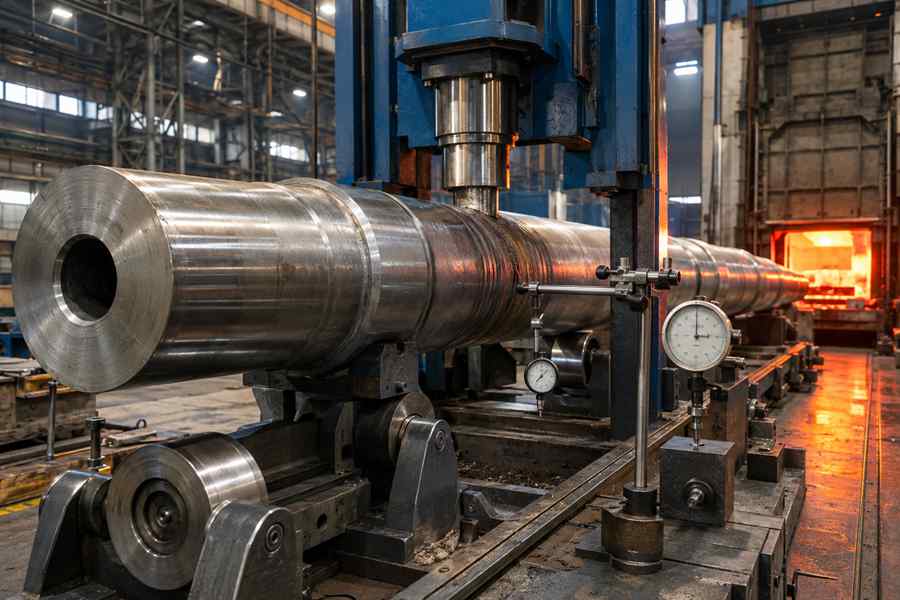
Large forged shafts are usually straightened through measured press correction, controlled heating, stress stabilization, and repeated runout inspection. The process must remove bending without creating cracks, hardness changes, or new residual stress.
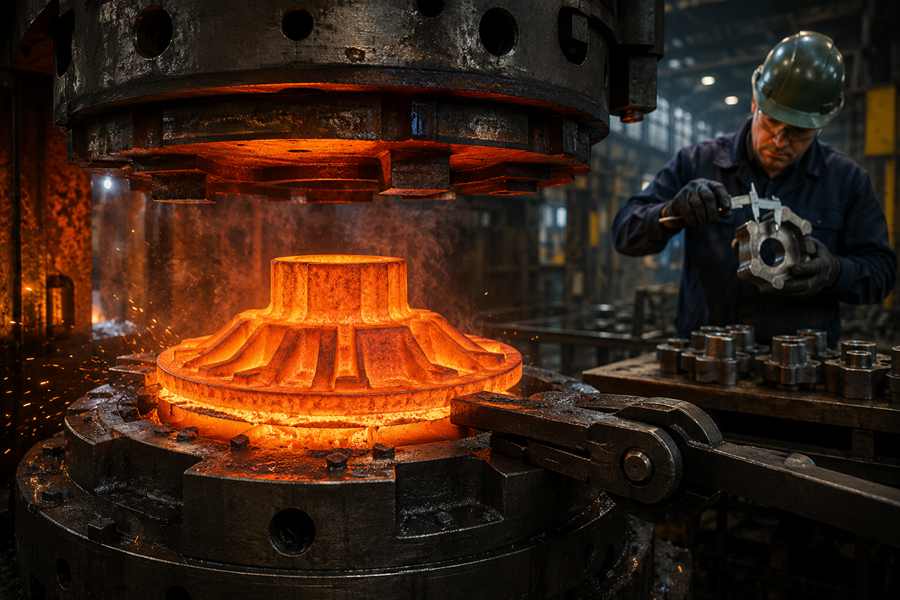
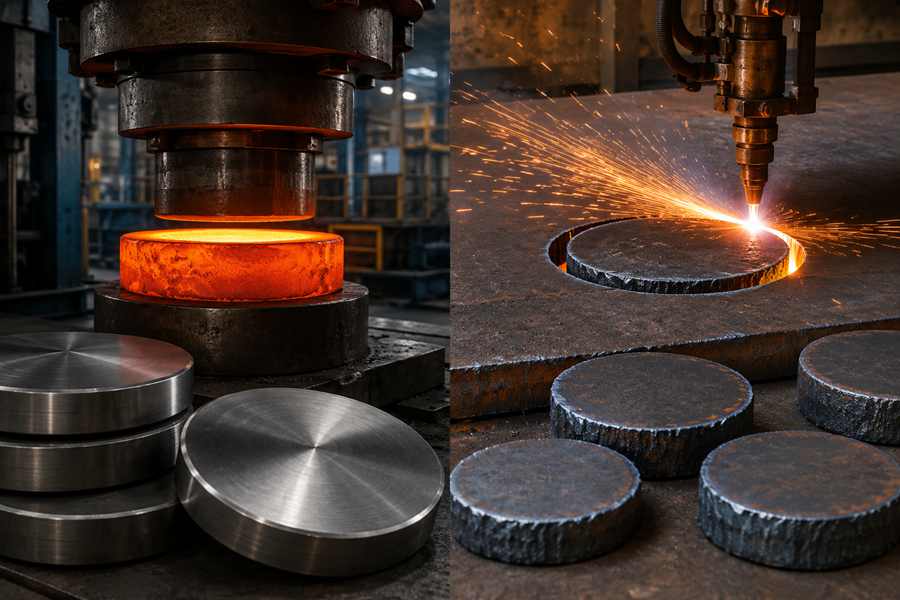
A forging parting line is the boundary where the upper and lower dies separate after forming. Its location affects cavity filling, flash removal, dimensional control, machining stock, surface quality, and tooling design.
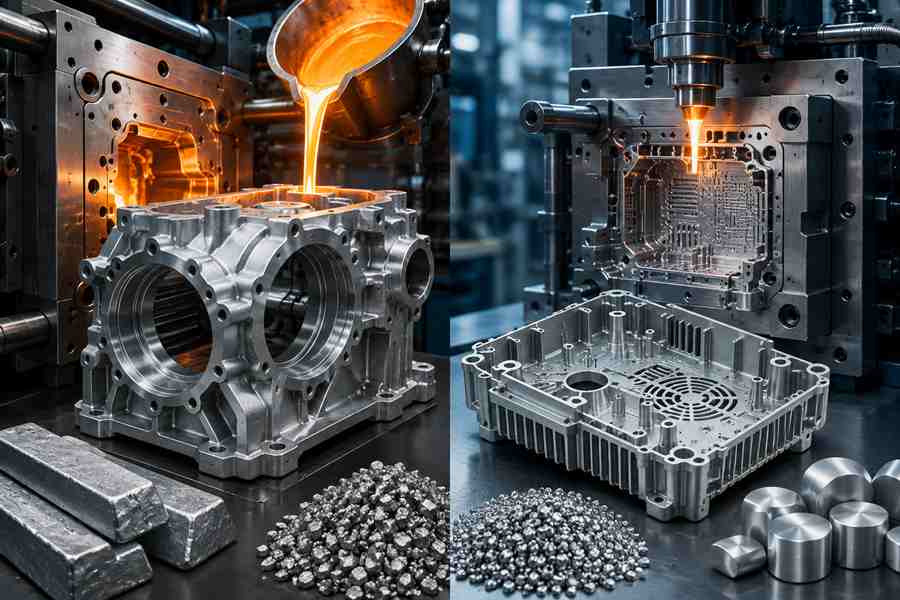
A380 aluminum and ADC12 aluminum are widely used in high-pressure die casting. A380 is common in North American projects, while ADC12 is frequently specified across Japan and other Asian supply chains.
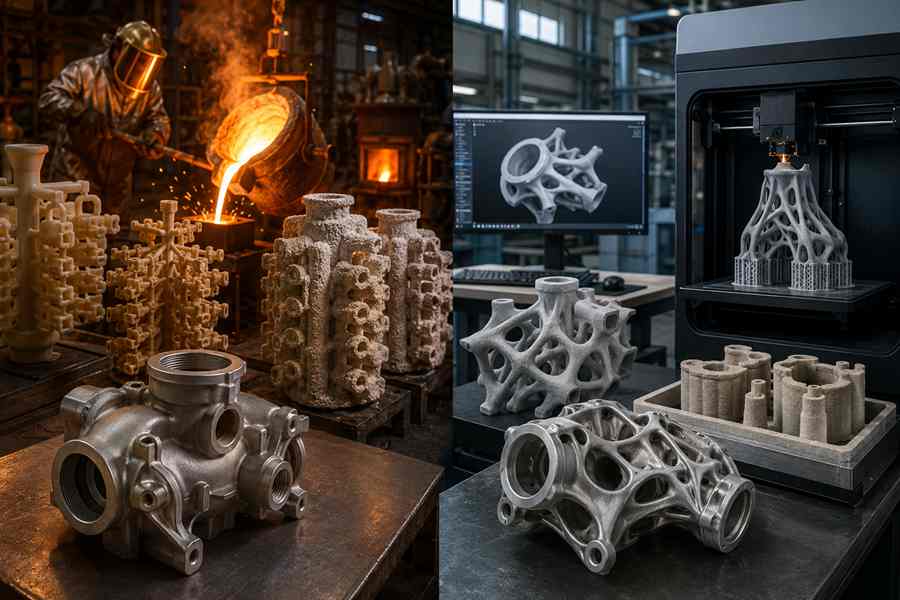
Lost wax investment casting and 3D printed patterns both support complex metal parts. Molded wax patterns suit stable mass production, while 3D printed patterns provide greater flexibility for prototypes, custom components, and frequent design changes.
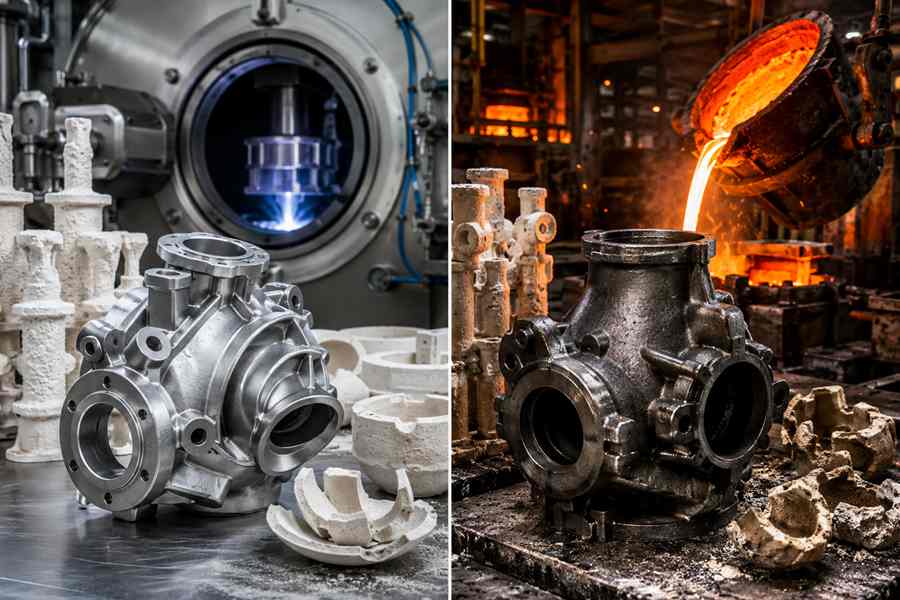
Titanium and steel investment casting can both manufacture accurate parts with complex shapes. Titanium provides lower weight and better corrosion protection, while steel delivers higher rigidity, more alloy choices, and a lower overall cost.
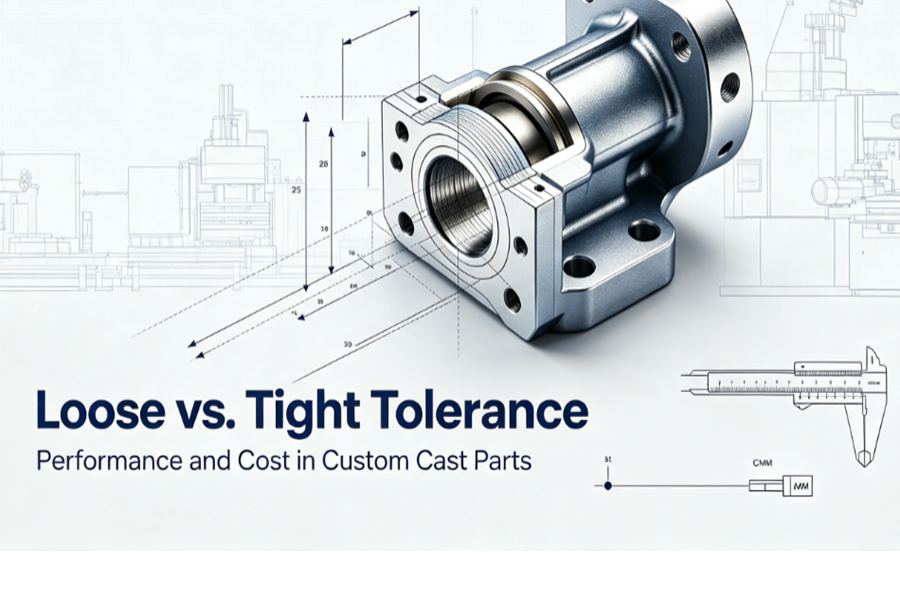
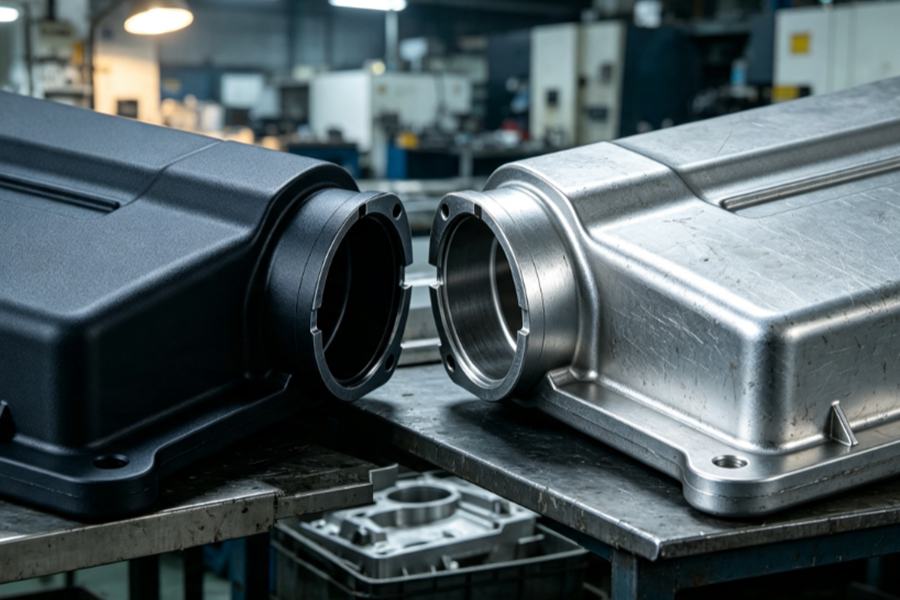
Loose and tight tolerances influence tooling, machining, inspection, assembly, rejection risk, and cost. For Custom cast parts, the best tolerance is the widest range that still consistently ensures reliable performance.
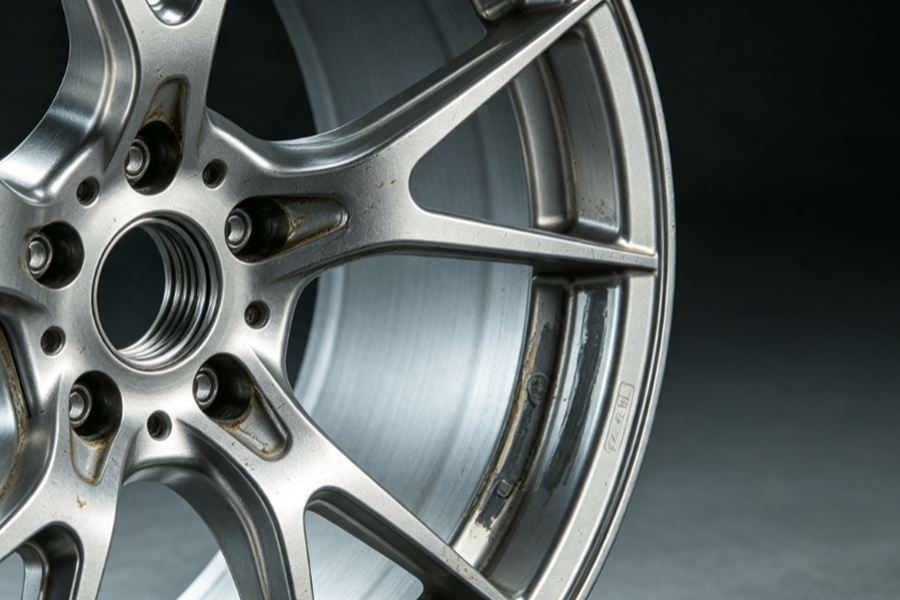
Forged wheels offer high strength, but repeated loads, heat, impacts, corrosion, and improper repairs reduce fatigue life. Repair decisions should prioritize predictable remaining service life, not appearance alone or cost.
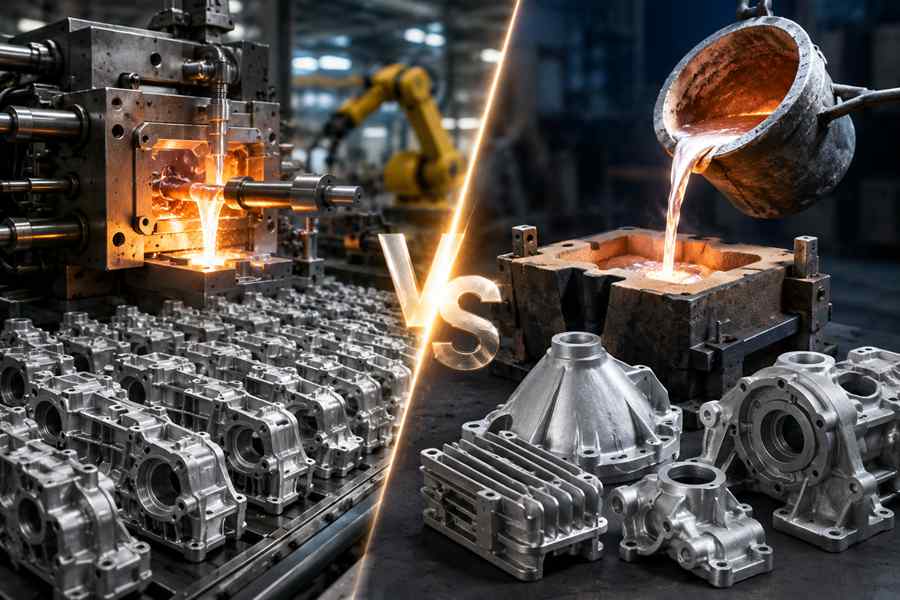
High pressure die casting and gravity casting are two widely used methods for manufacturing aluminum components. High pressure die casting reduces cost in mass production, while gravity casting offers value for small batches and customized projects.