You encounter ASME, ASTM, ANSI, and DIN as the most common pipe fitting standards in the industry. These standards shape the safety, compatibility, and quality of piping systems. Engineers, contractors, and project managers rely on them for dependable performance.
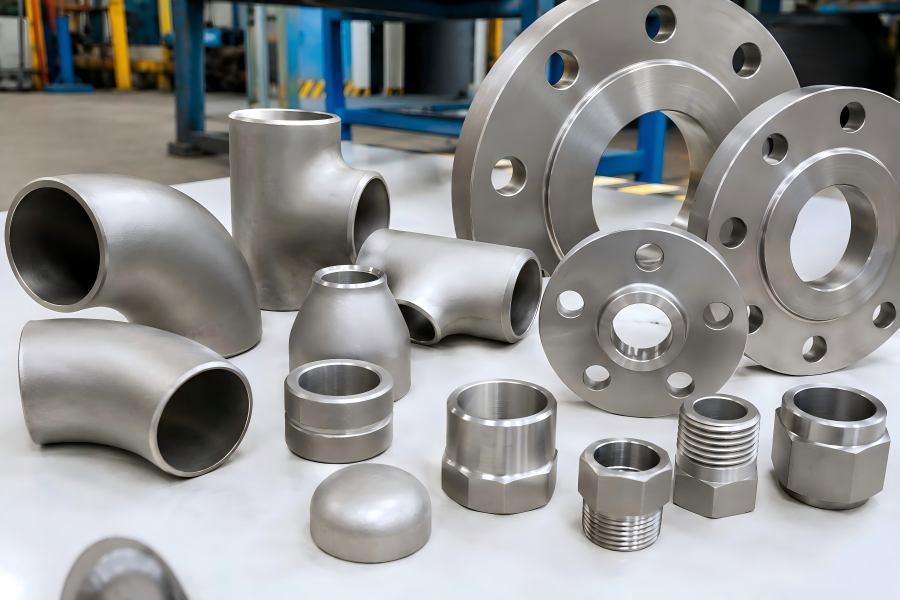
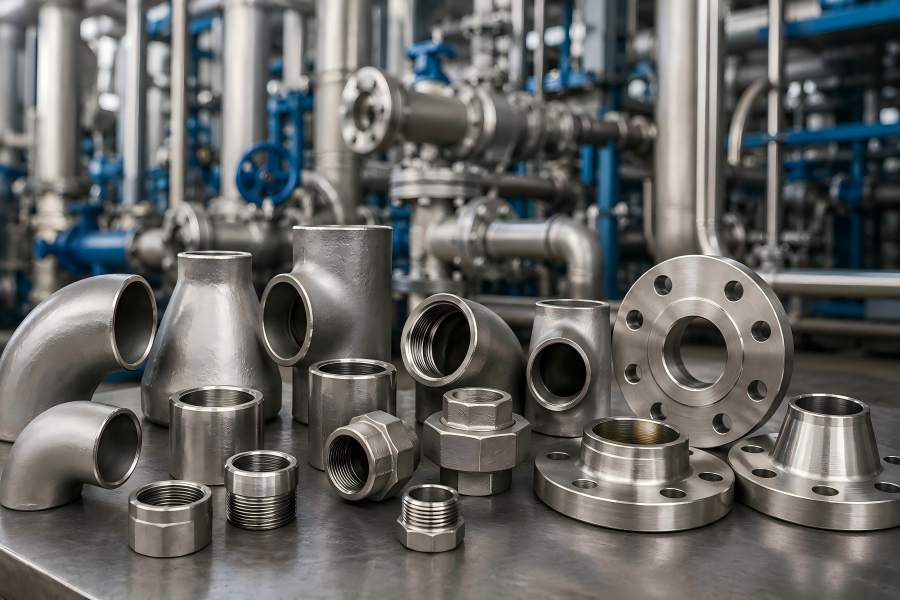
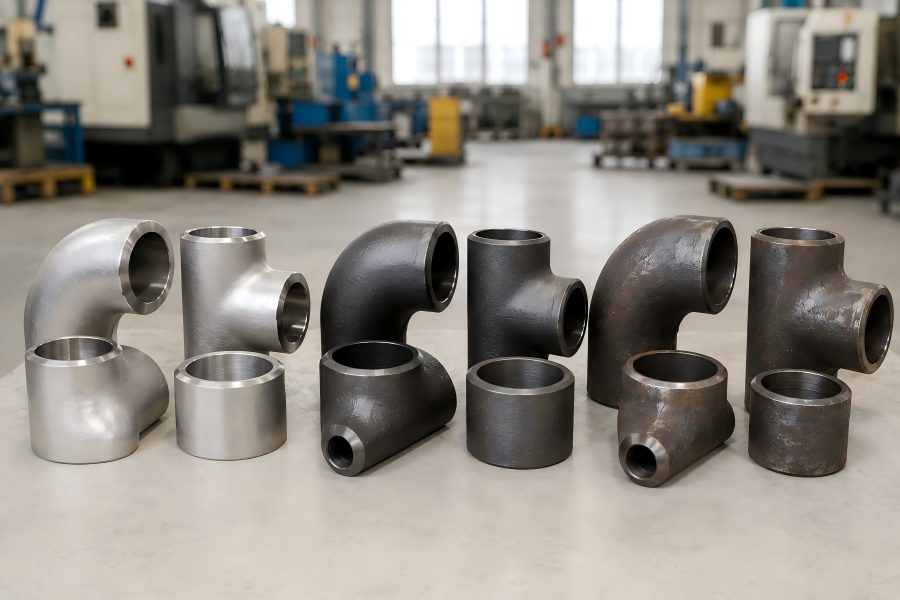
Metal pipe fittings include adapters, caps, couplings, elbows, flanges, tees, unions, and more. Because of their strength, resilience, and capacity to withstand high pressure, steel fittings are frequently utilized in sectors like manufacturing, water treatment, and oil & gas.
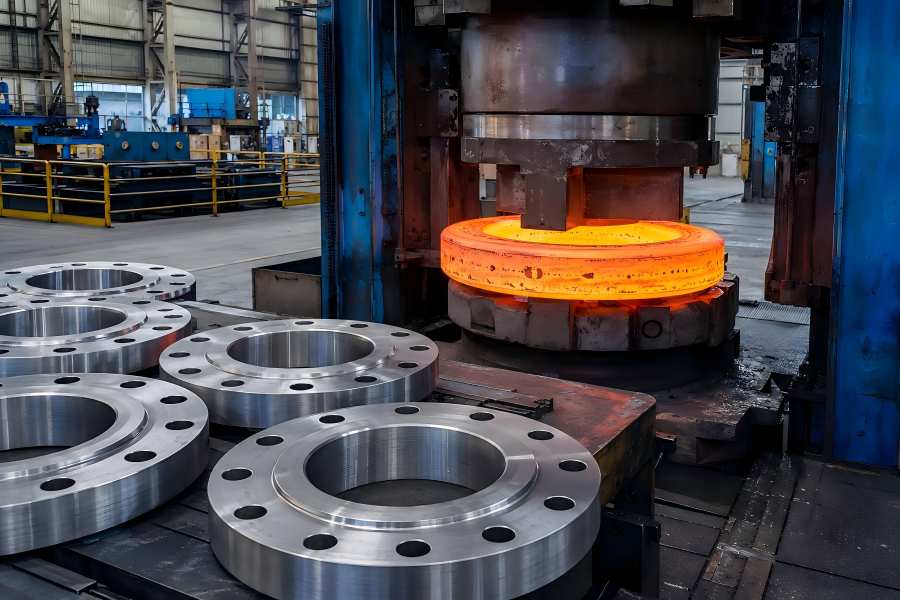
You see forged flanges manufactured through a precise process that transforms raw metal into high-performance components. The main steps include:
Preparing the billet by selecting and cutting steel.
Heating and forging to shape the flange.
Machining for accurate dimensions and bolt holes.
Heat treatment and finishing to enhance durability.
Rigorous inspection to ensure quality.
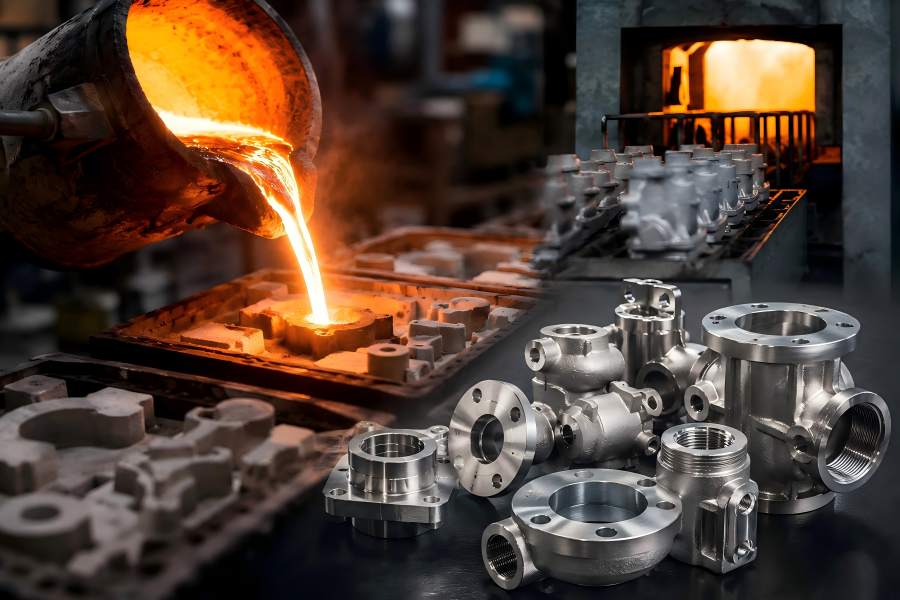
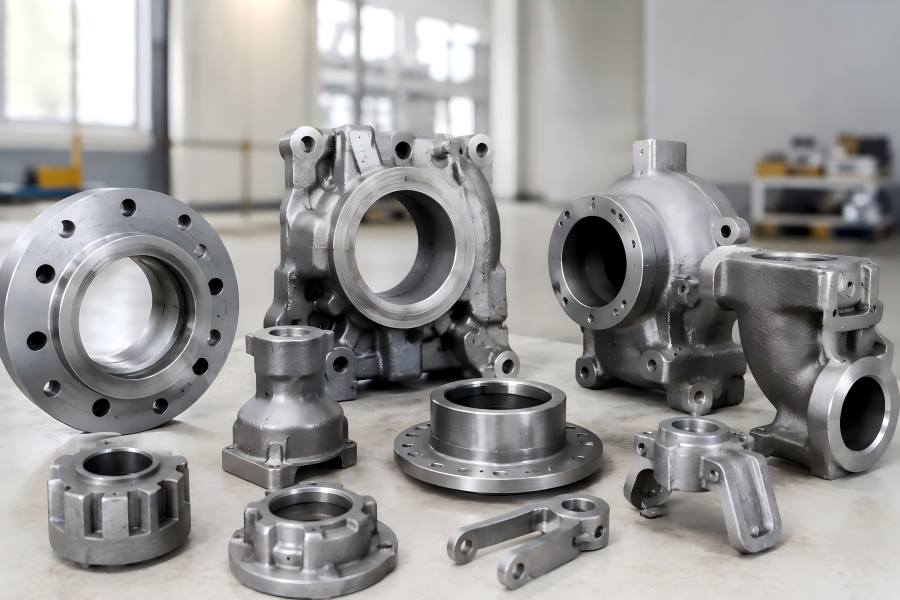
Stainless steel casting is commonly applied in valves, pumps, automotive, marine, food processing, and aerospace sectors due to its strength, corrosion resistance, and precision. Costs vary greatly, from a few dollars for small investment castings to thousands for large industrial components.
Die casting is key in automotive, automation, electronics, robotics, telecom, energy, and heavy machinery. As demand for lightweight, precise parts grows, manufacturers invest in high-pressure systems, automation, alloys, tooling, casting, machining, finishing, and OEM services.
High-precision gears are essential in automation, robotics, energy, automotive, aerospace, and heavy machinery. Growing demand for torque, efficiency, and durability drives manufacturers to invest in machining, heat treatment, grinding, automation, and OEM gearbox solutions.
Industrial castings are essential to modern manufacturing, supporting automotive, mining, energy, transport, marine, and automation industries with durable, stable components.
Aluminum die casting is a key manufacturing process for producing lightweight, durable, and precision-engineered components used in automotive, EV, industrial, and electronics applications.
Pipe fittings connect piping systems and ensure sealing, strength, and reliability. Common materials include stainless steel, carbon steel, and alloy steel, each offering different corrosion resistance, strength, and cost, making proper selection essential for durability, safety, and long-term system performance.
In industrial piping systems, flanges ensure strength, alignment, and reliability across industries like oil, gas, power, and chemicals. Custom OEM flanges, tailored by material, pressure class, coating, and certification, improve safety, reduce downtime, and enhance long-term operational reliability and performance efficiency.
As industries demand higher performance, durability, and precision from piping systems, stainless steel pipe fittings have emerged as a critical component in infrastructure, chemical processing, and industrial machinery.
Steel castings are widely used in machinery, pipelines, and heavy industries like automotive, aerospace, and construction. Produced by pouring molten steel into molds, they offer complex shapes and cost efficiency, with types varying by composition, process, and application needs.