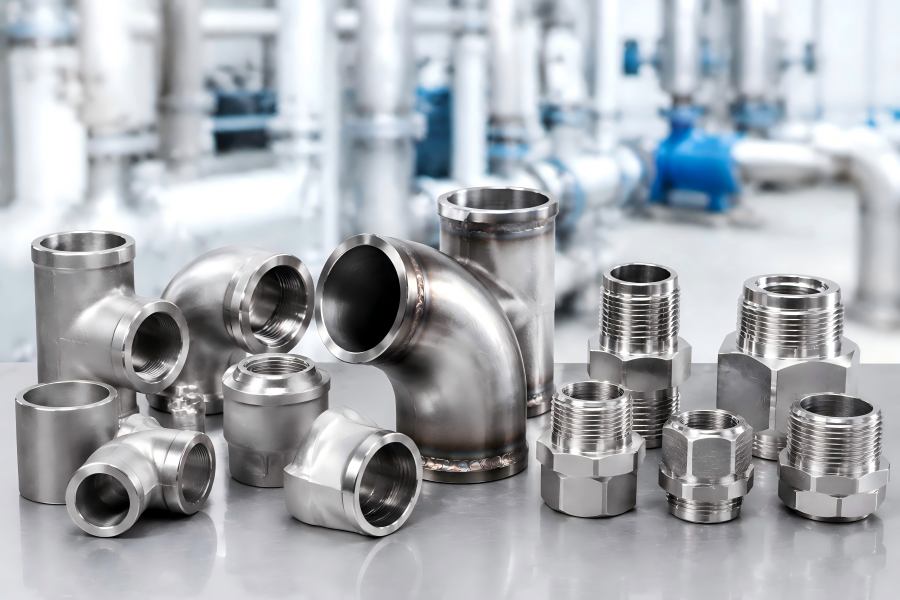
Choosing the right pipe connection is essential for system safety, efficiency, and durability. Socket weld, butt weld, and threaded fittings each offer different advantages, limitations, and applications in industrial processes, water distribution, and HVAC systems.
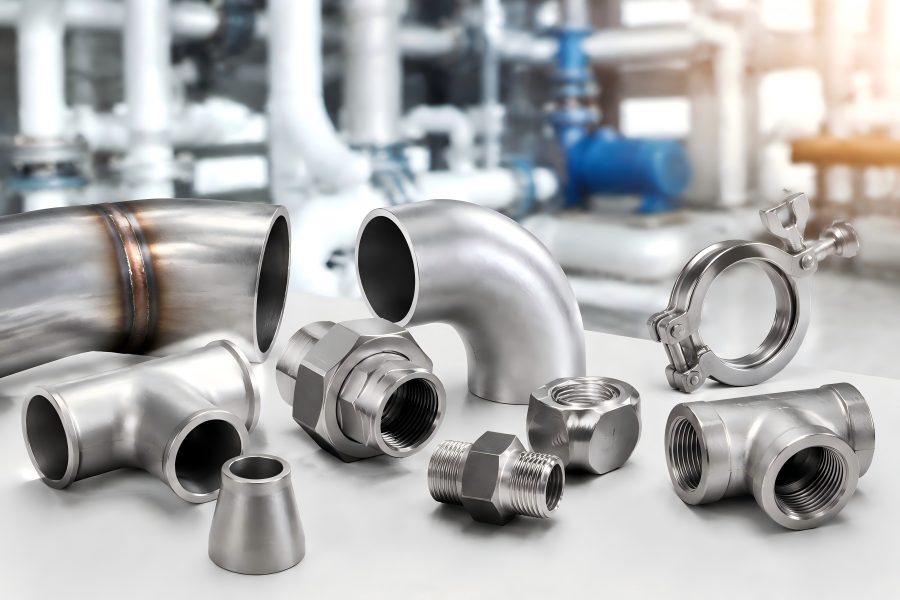
Choosing the right pipe connection is essential for system performance and reliability. Welded, threaded, and clamp fittings each offer different strengths, limitations, and applications for industrial pipelines, water systems, and HVAC installations.
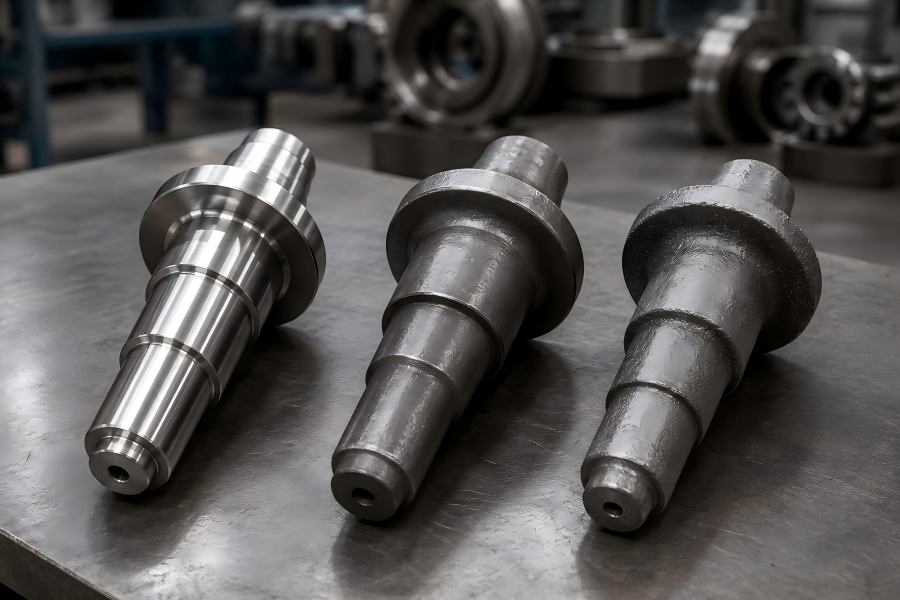
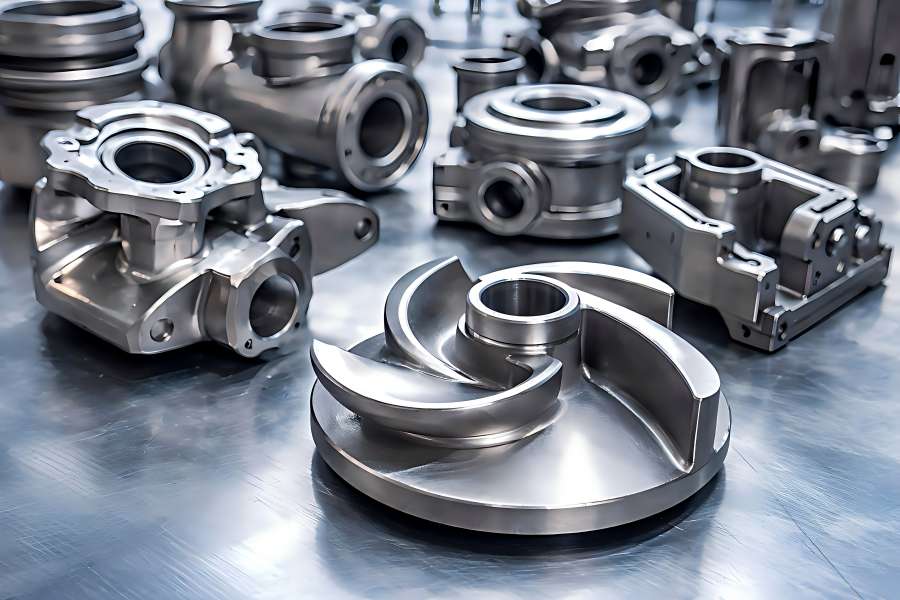
From automotive drivetrains and aerospace structures to energy equipment, mining machinery, and power transmission systems, forged parts deliver the strength, fatigue resistance, and stability demanding industries require.
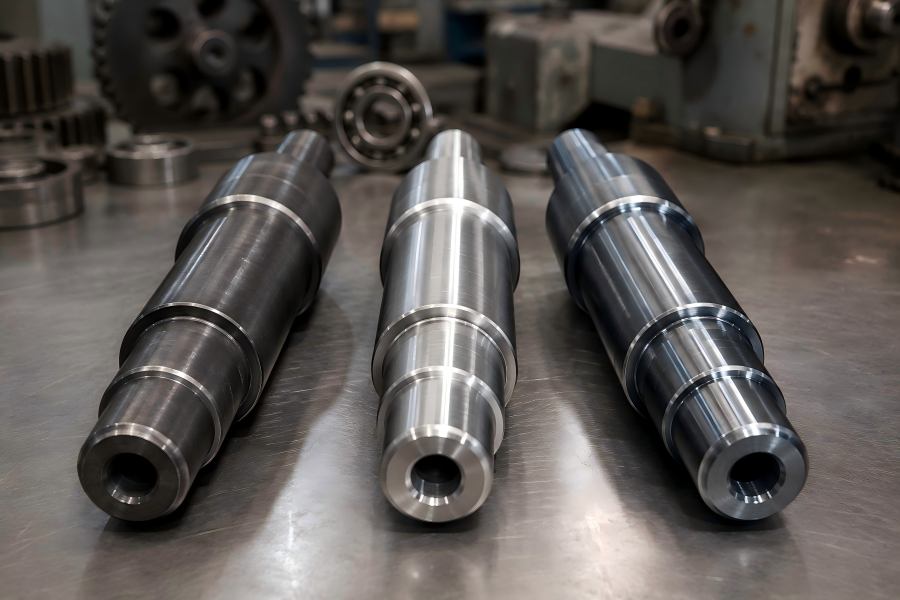
Shafts are key components in mechanical systems used for power transmission and load support. Typical materials include carbon steel, stainless steel, and alloy steel, each with different strength, durability, wear resistance, and cost, making material selection vital for performance and reliability.
Shafts are key components in mechanical systems for torque transmission and alignment. Common manufacturing methods include machined, forged, and cast shafts, each differing in strength, fatigue resistance, cost, and application suitability for various industrial and high-load conditions.
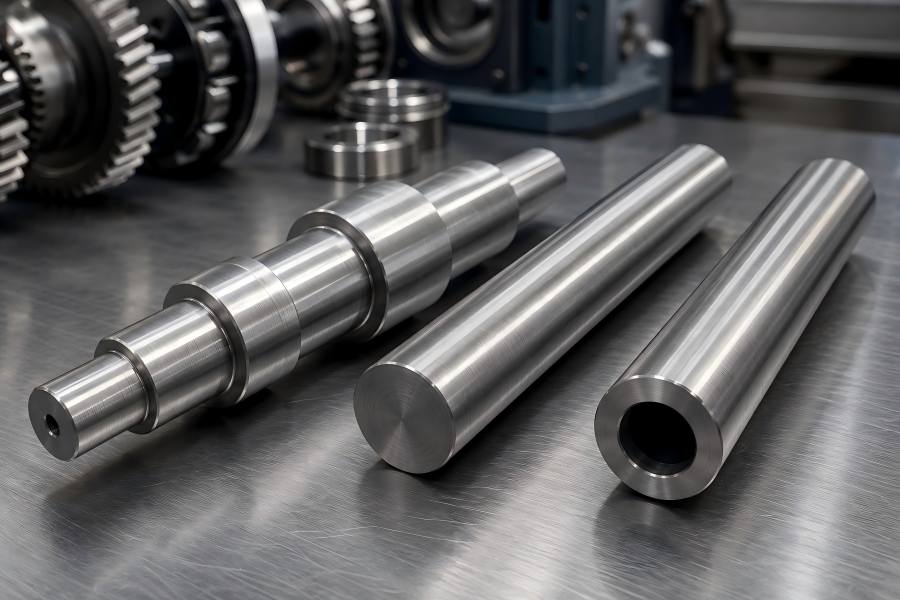
Stepped, straight, and hollow shafts are commonly applied in industrial power transmission systems. Each shaft design affects torque transfer, stress distribution, weight, and durability differently.
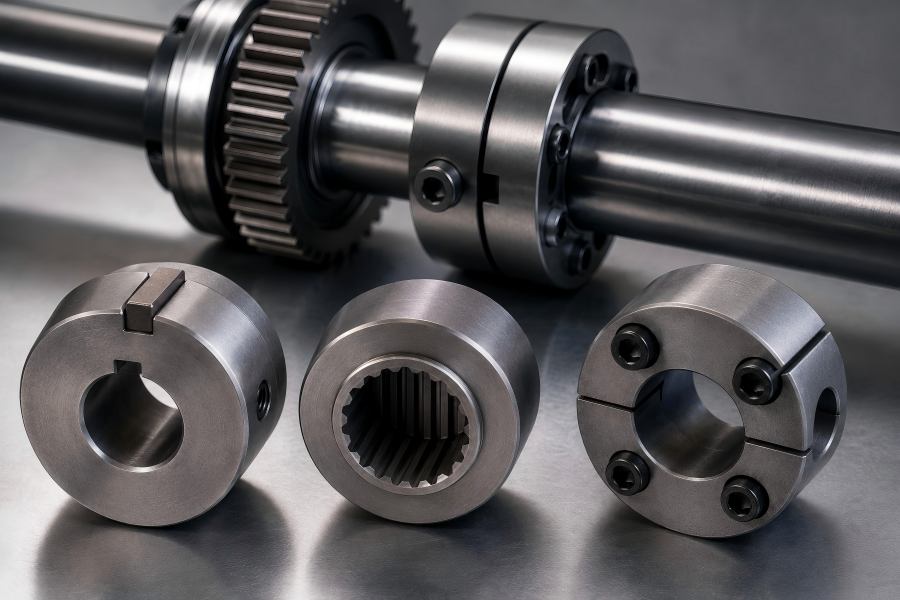
Keyed hubs, spline hubs, and clamp hubs are widely used for shaft-to-hub connections in mechanical systems. Each design offers different torque transfer performance, assembly methods, and maintenance advantages.
ASTM 304 is a widely used austenitic stainless steel grade defined under standards set by ASTM International. Because of its composition, it is often called “18-8 stainless steel”
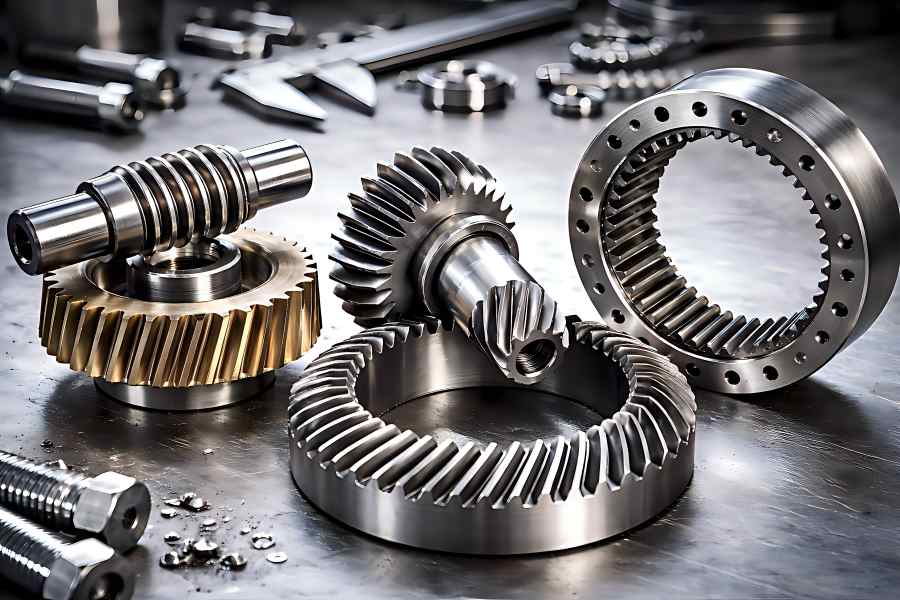
Gear systems ensure torque transmission, motion control, efficiency, and reliability. Worm, hypoid, and internal gears differ in load capacity, efficiency, and layout flexibility.
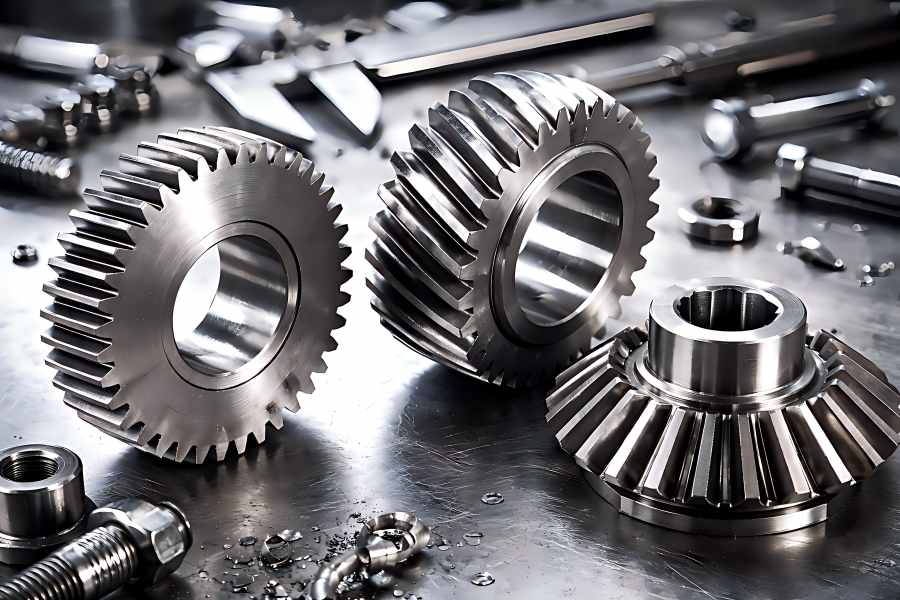
Gear systems are vital for torque transmission, motion control, efficiency, and reliability. Spur, helical, and bevel gears differ in load capacity, noise, and speed.
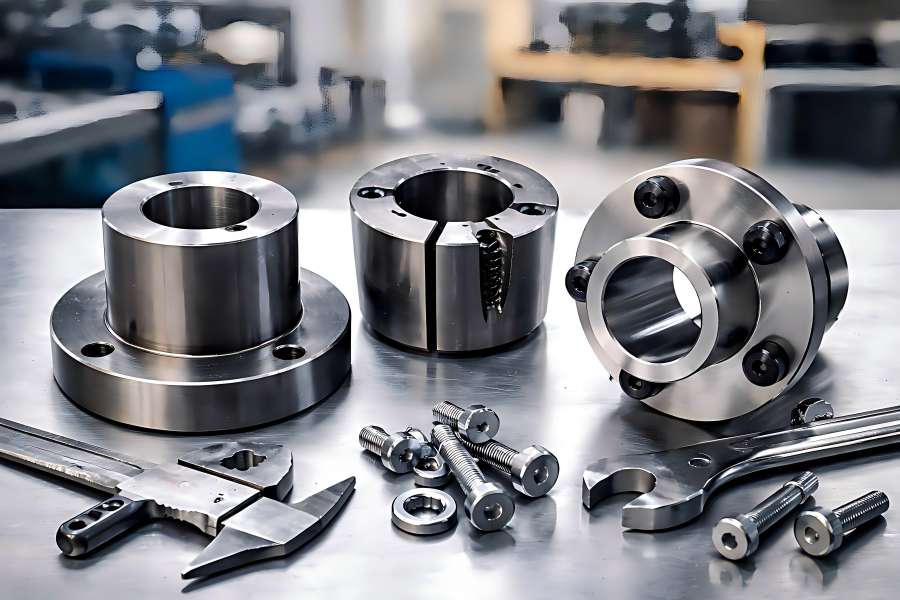
Weld-on, taper lock, and bolt-on hubs each offer different strengths in installation, load capacity, flexibility, and serviceability, and choosing the wrong type can lead to misalignment, loosening, or costly downtime.
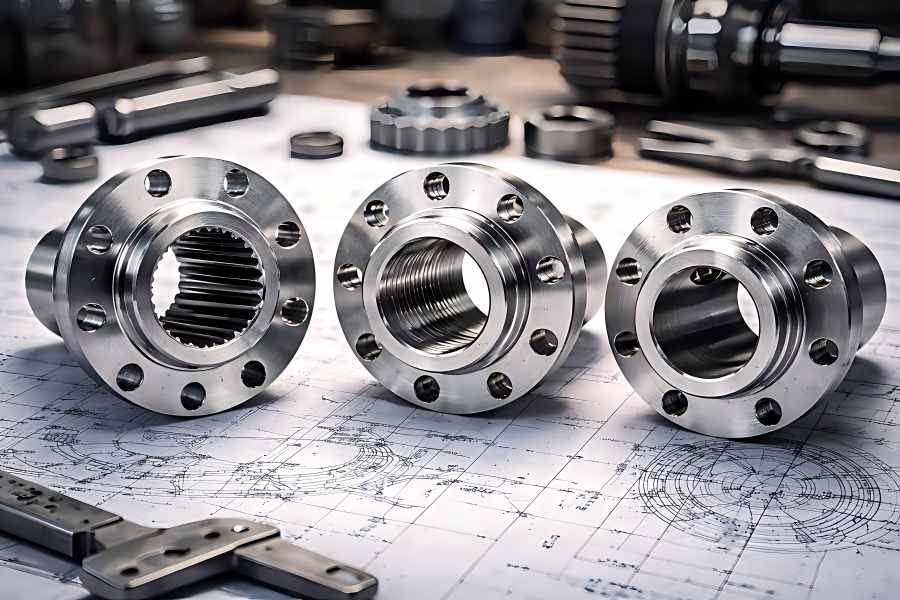
Splined, threaded, and keyed hubs each offer different strengths in load capacity, assembly, and application fit, and choosing the wrong type can cause wear, slippage, misalignment, and reduced system reliability.