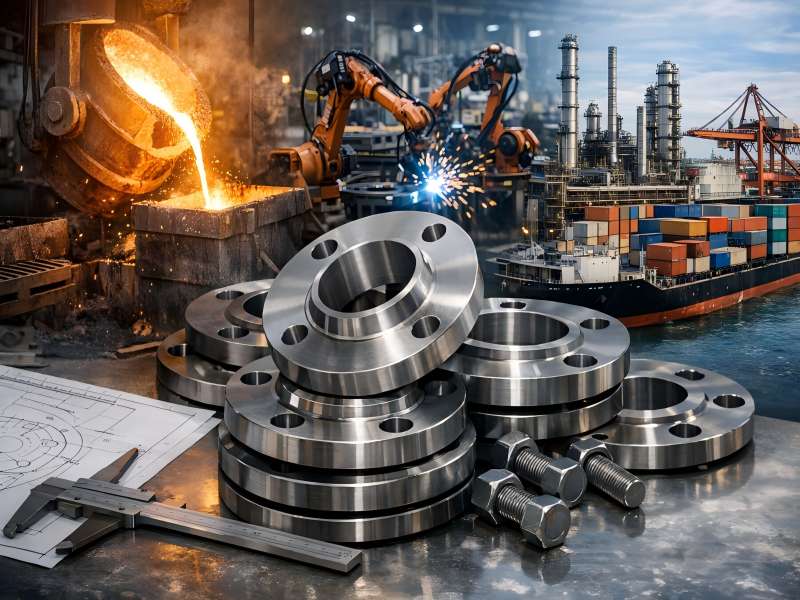
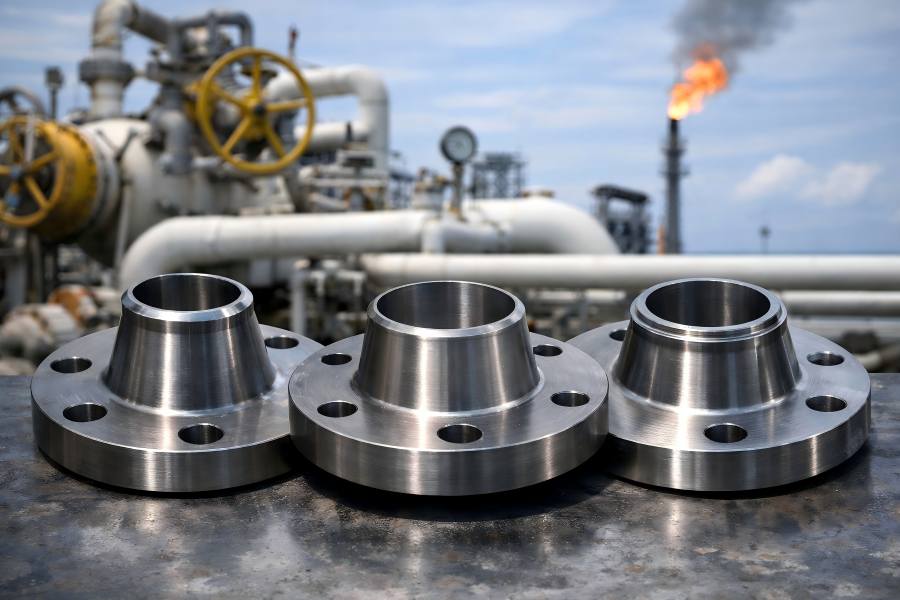
Choosing the right slip-on flange manufacturer ensures quality, reliability, and safety, with these top global producers offering expertise, certifications, and scalable supply.
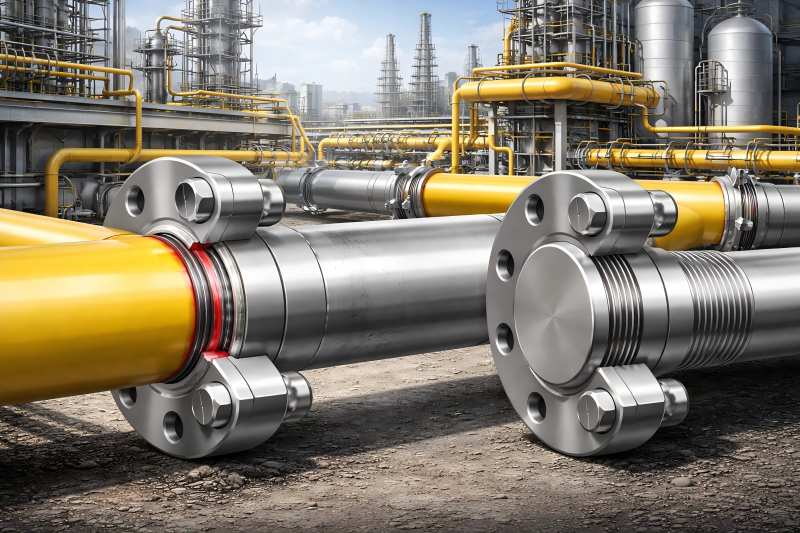
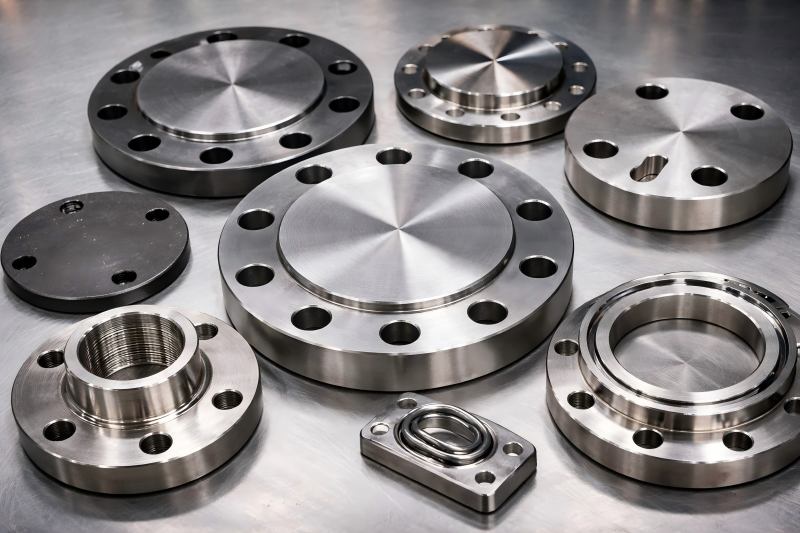
Pipelines in oil and gas transport hydrocarbons safely; ensuring integrity, safety, and efficient maintenance is vital for continuous flow. Among the many components used in pipelines, blind flanges play a key role in sealing pipe ends, facilitating maintenance, and ensuring system flexibility.
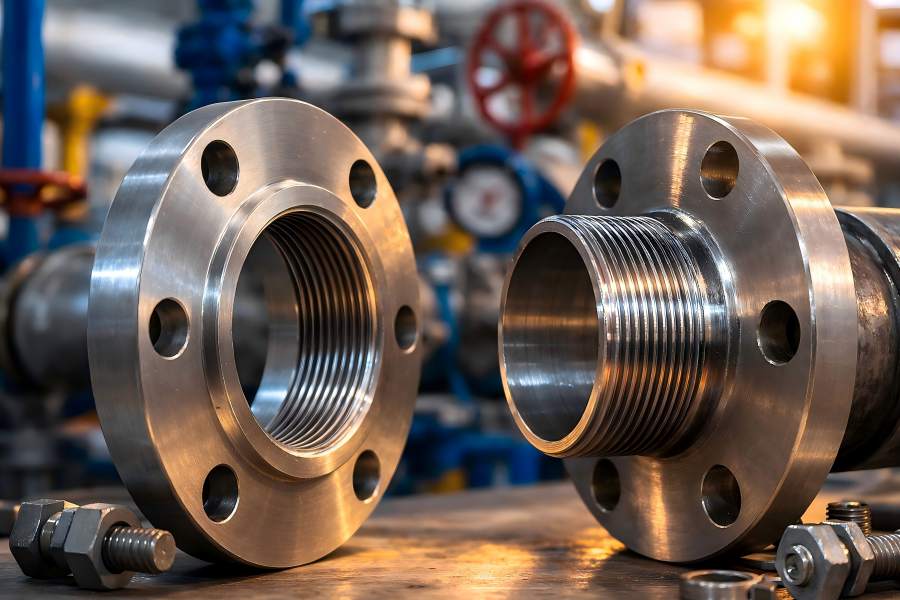
Choosing between female threaded flanges and male threaded flanges can significantly influence installation efficiency, sealing reliability, and long-term system performance.
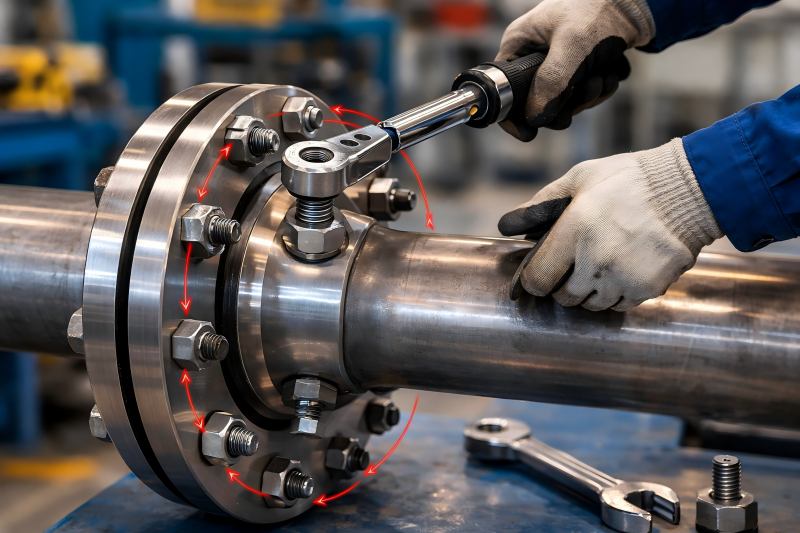
Blind flanges seal pipe ends, valves, or vessels in industries like oil, chemical, water, and power. Improper installation risks leaks, inefficiency, and system failure.
Selecting the correct flange facing is essential for safe and reliable pipeline performance. Raised Face (RF), Flat Face (FF), and Ring Type Joint (RTJ) are the most common weld neck flange facings used in industrial piping systems.
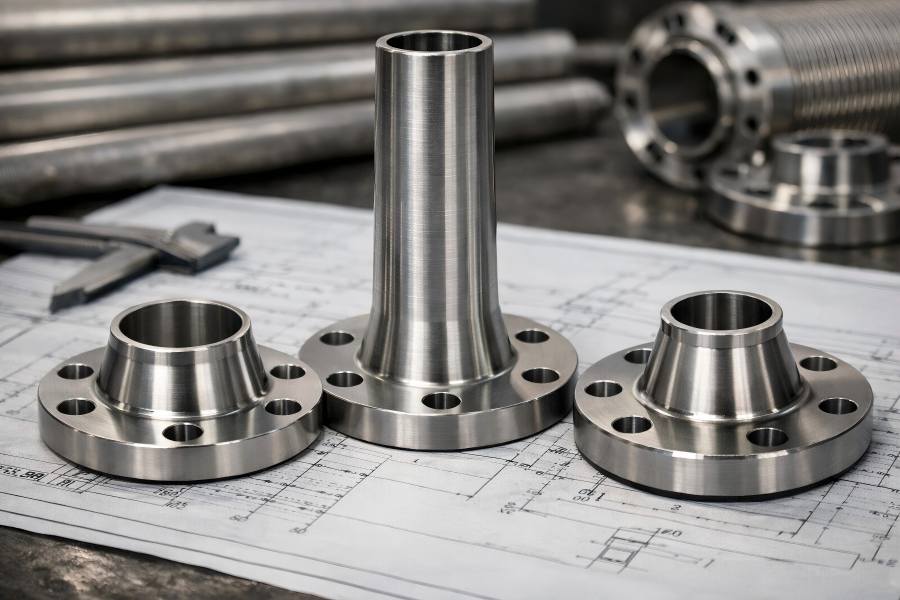
Standard Weld Neck Flanges, Long Weld Neck (LWN) Flanges, and Reducing Weld Neck Flanges are common variations designed for different engineering needs.
Choosing the right blind flange is not only about matching dimensions but also ensuring compliance with industry standards, proper gasket selection, and consideration of operating conditions.
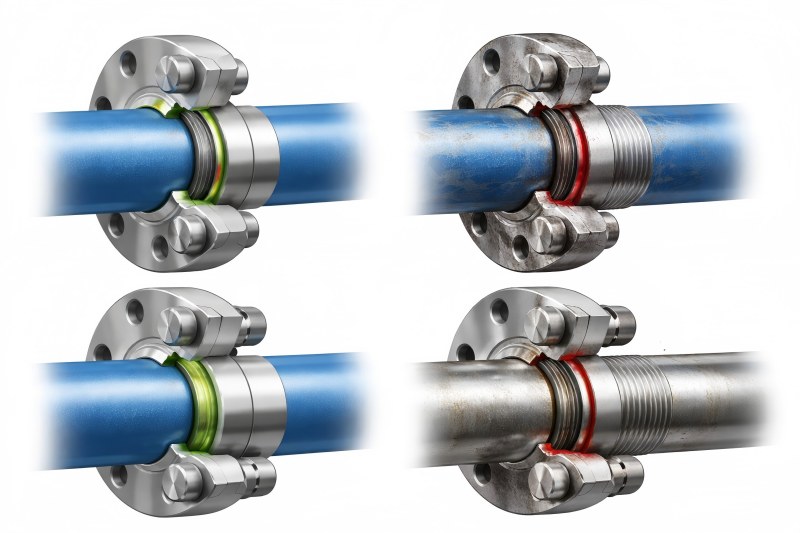
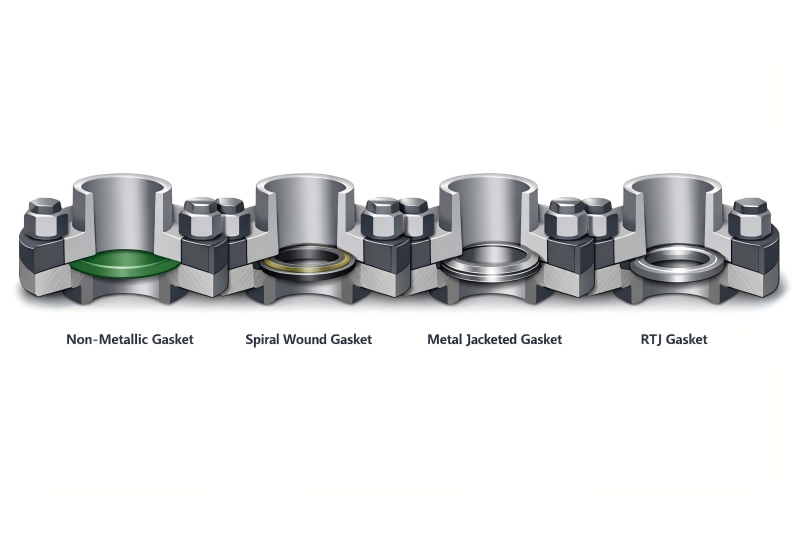
The performance and reliability of lap joint flange connections rely heavily on the correct selection of gaskets. Improper gasket material, size, or installation can lead to leaks, reduced service life, or even catastrophic failure.
Understanding Lap Joint Flanges
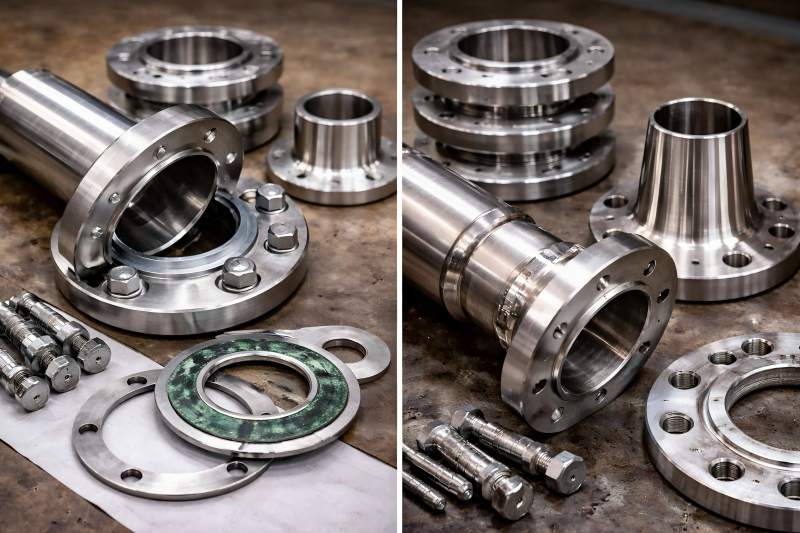
Key components of lap joint flanges:
Flange Ring: The external part that distributes pressure and bolt load.
Stub End: Welded to the pipe; provides fluid contact and corrosion resistance.
Bolts and Nuts: Hold the flange assembly together and compress the gasket to create a leak-proof seal.
Gasket: Sits between flange faces to prevent leakage.
Flanges ensure secure piping connections, sealing, and maintenance access. Lap joint and weld neck flanges are widely used, differing in design, function, and application suitability.
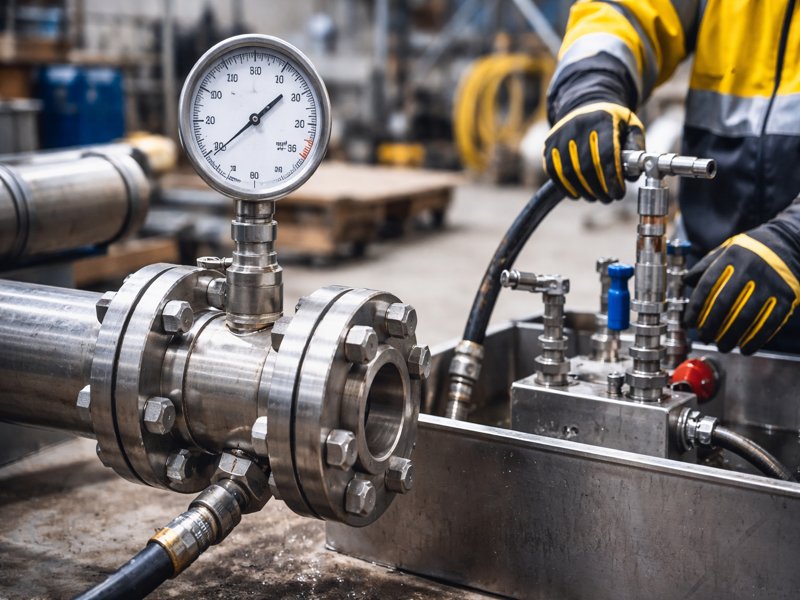
Socket weld flanges provide robust, leak-resistant connections in high-pressure piping for various industries. Pressure testing confirms their ability to withstand operating pressures and thermal stresses. This article reviews testing types, procedures, and guidelines to ensure safe, reliable flange performance.
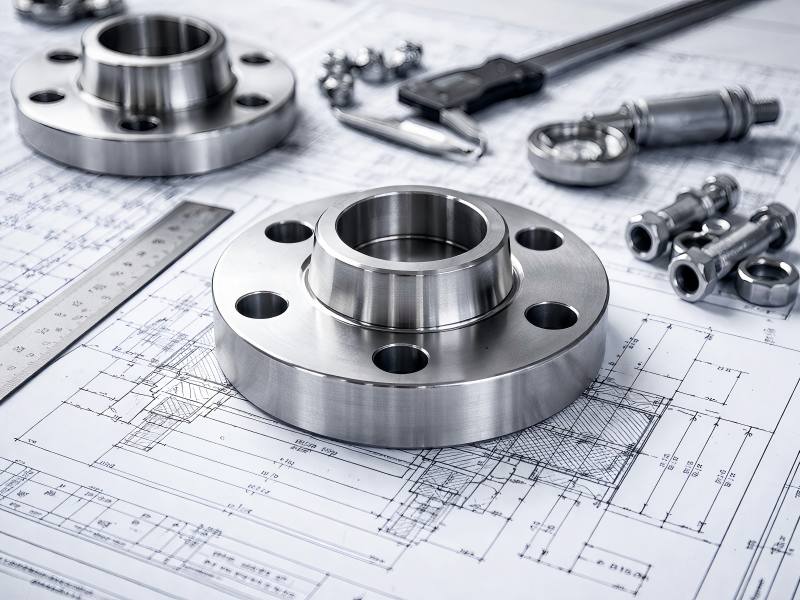
This article introduces ASME B16.5 socket weld flange dimensions, pressure ratings, and sizing systems, providing practical tables and explanations to help engineers and buyers correctly interpret flange specifications.