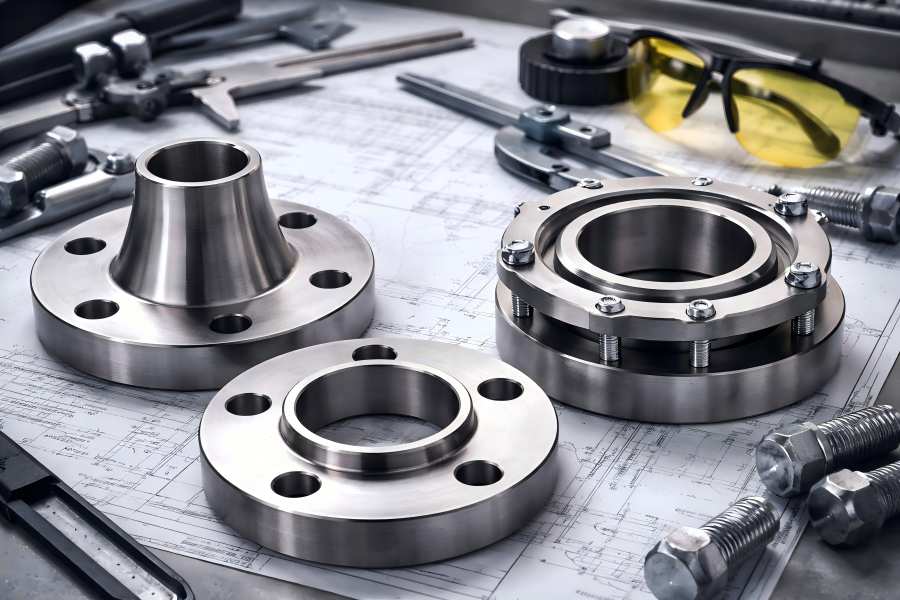
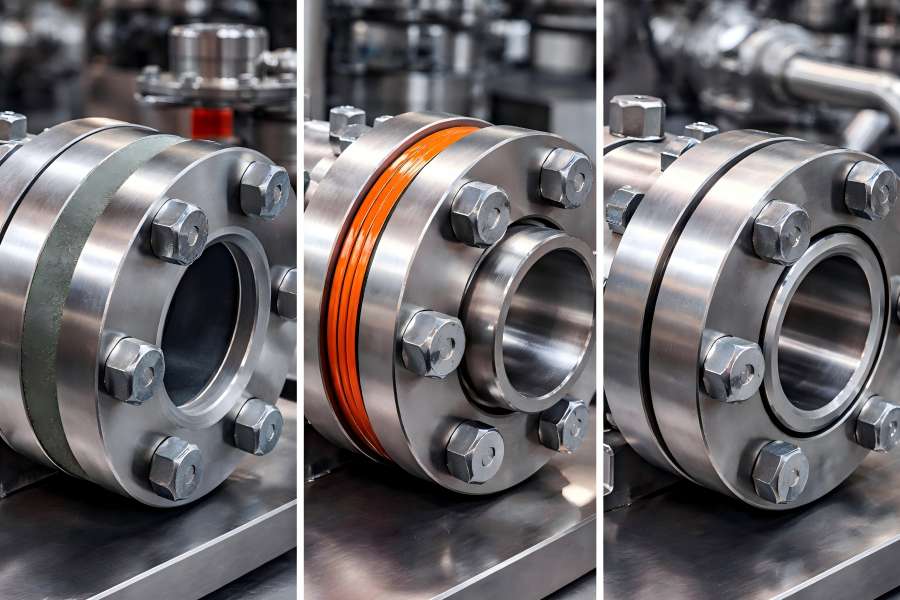
Lap joint flanges are popular in piping systems, enabling easy rotation and precise pipeline alignment. Typically used in conjunction with a stub end, lap joint flanges are ideal for applications requiring frequent inspection, maintenance, or alignment adjustments.
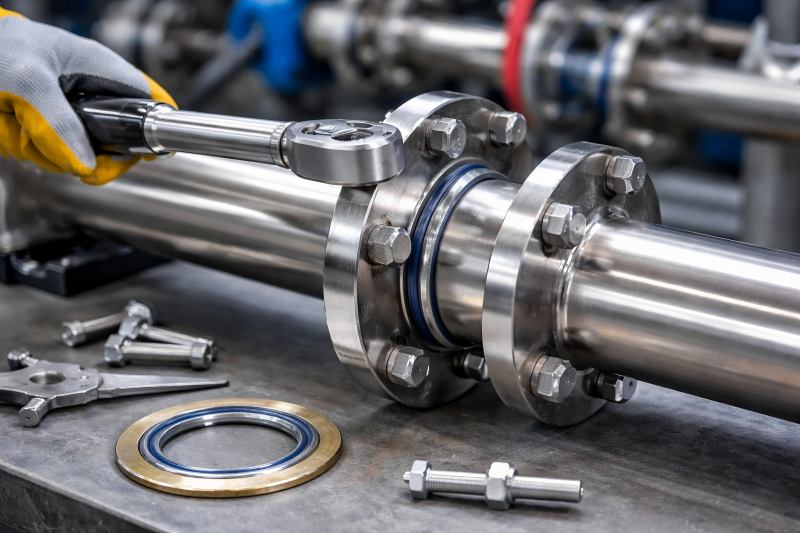
Flange selection is crucial for piping safety, reliability, and cost efficiency. In piping systems, flanges connect pipes, valves, and pumps, managing pressure, thermal expansion, and mechanical loads.
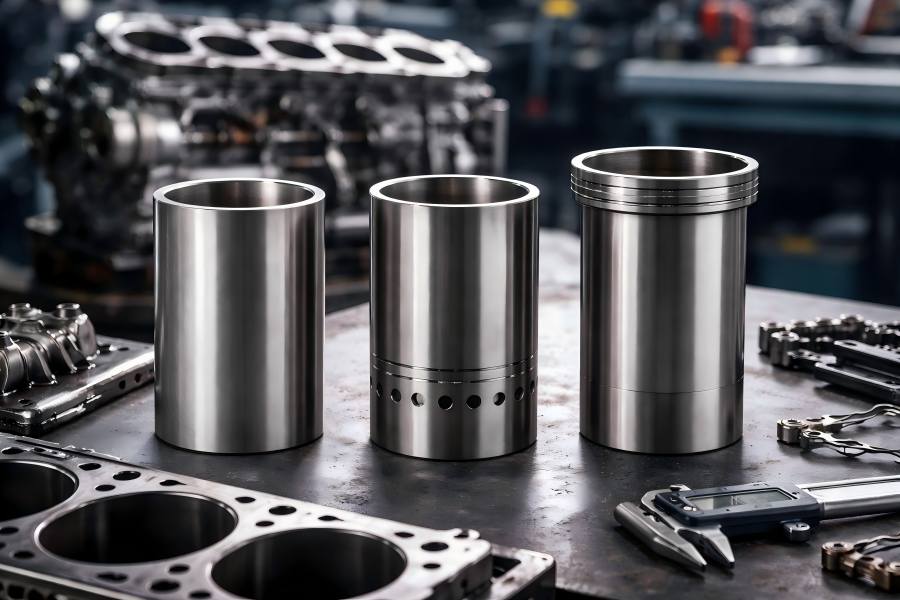
Cylinder sleeves play a critical role in modern engine design, rebuilds, and performance upgrades. Selecting the correct liner type directly affects engine durability, thermal behavior, service life, and rebuild cost.
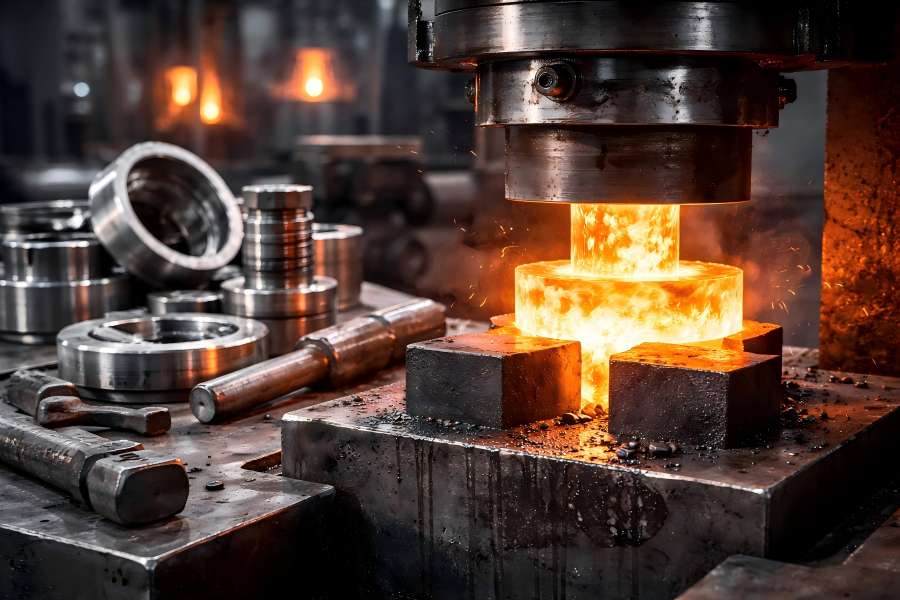
Choosing the right forging method is a strategic decision, as it impacts tolerances, performance, cost, and sustainability based on metal properties and part geometry.
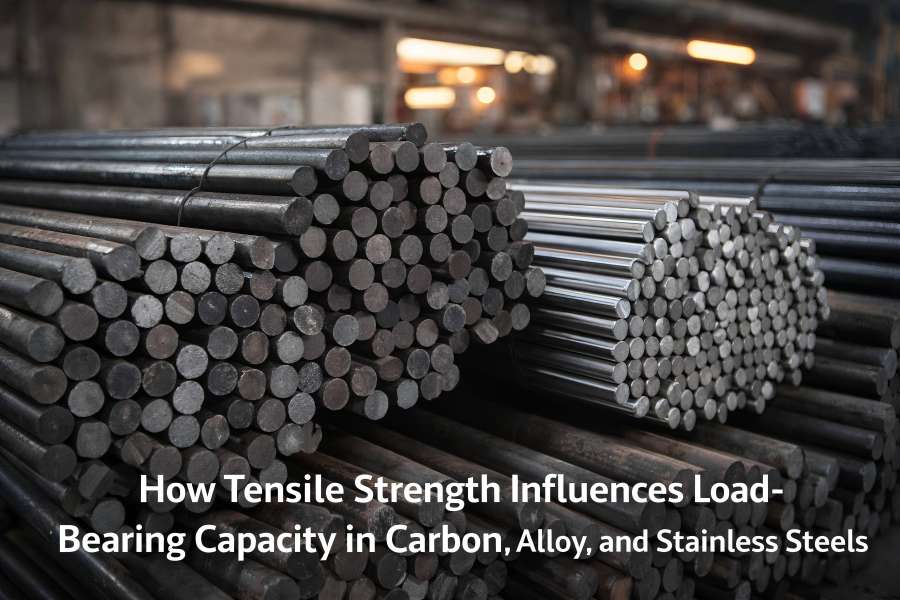
Tensile strength is crucial in load-bearing metal design, ensuring steel materials can withstand applied forces without failure or degradation in buildings, machinery, and industrial equipment.
Flat Face (FF), Raised Face (RF), and Ring-Type Joint (RTJ) flanges are among the most often specified alternatives; each fulfills certain pressure and service requirements.
Water glass investment casting, commonly referred to as sodium silicate investment casting, is a precise manufacturing technique that enables the production of complex metal components with smooth surface quality and accurate dimensional control.
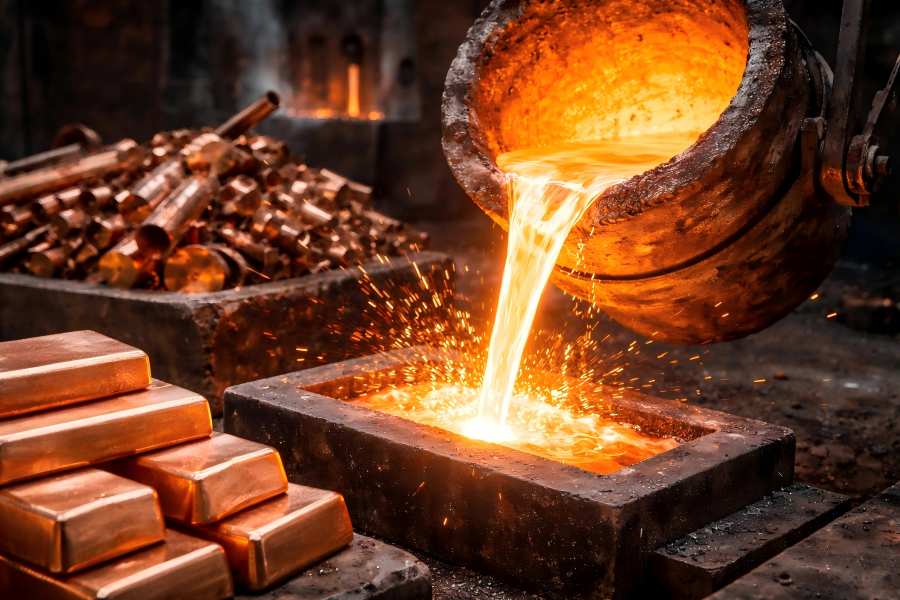
Copper is one of humanity’s oldest and most widely used metals, prized for its conductivity, ductility, and corrosion resistance.One essential physical characteristic that affects the metal’s processing, alloying, and use in industrial and manufacturing processes is its melting point.
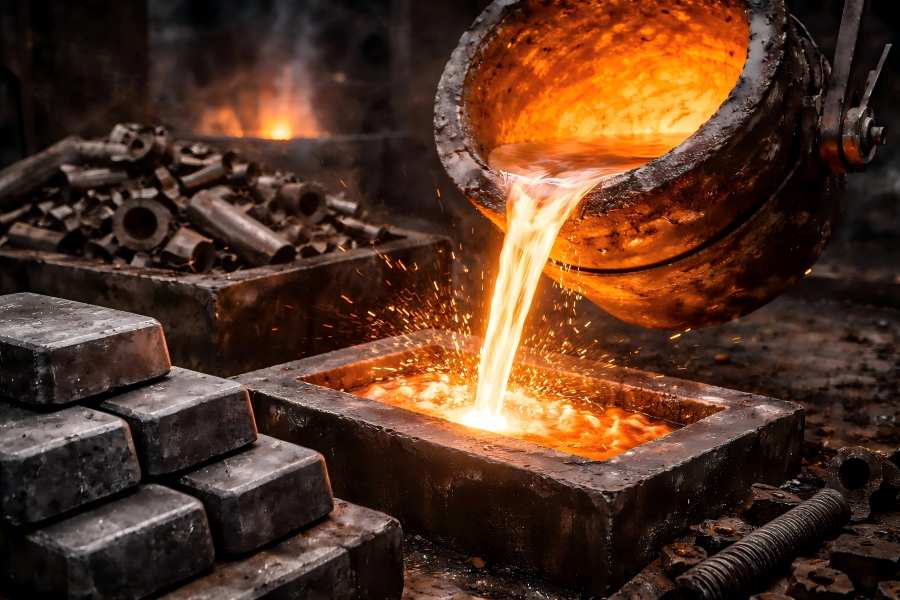
One of the most essential metals in human history and contemporary industry is iron. Its melting point, the exact temperature at which iron transitions from solid to liquid, plays a critical role in manufacturing, engineering, foundry processes, materials research, and construction technologies.
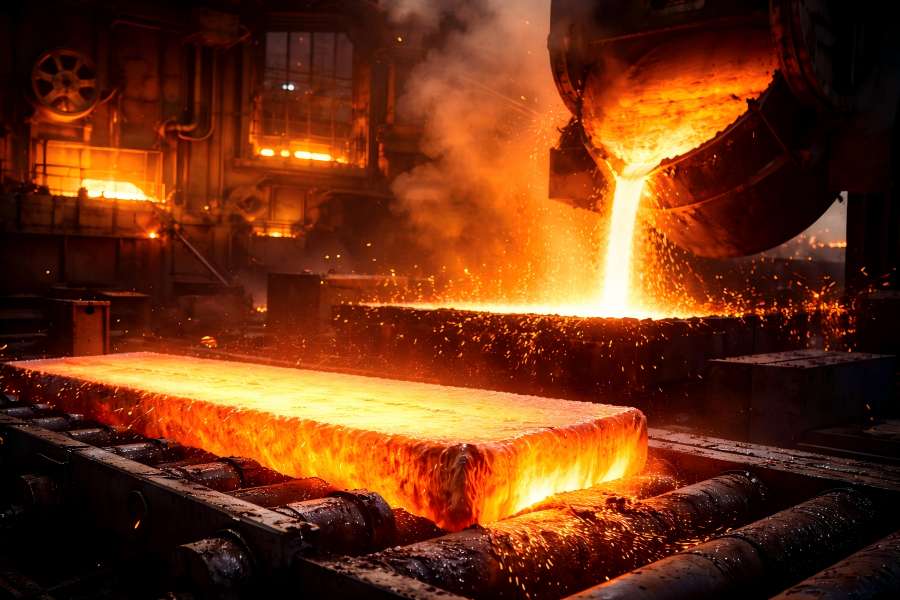
Steel is one of the most widely used materials on the planet, forming the backbone of infrastructure, transportation, manufacturing, and countless engineered systems.
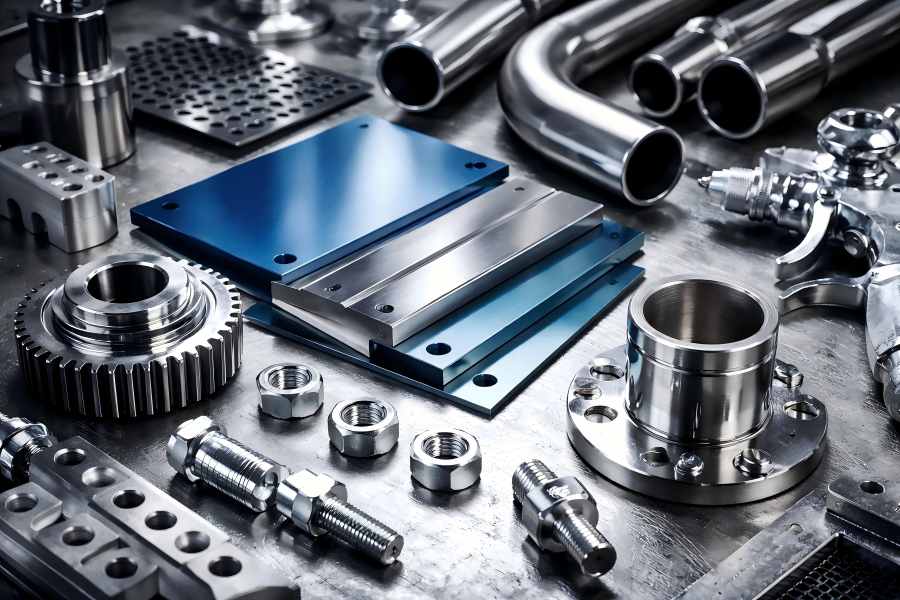
Metal surface finishing is a crucial step in manufacturing that enhances both the performance and appearance of metal parts. In consumer products, automotive, aerospace, or construction, the proper finish might be the difference between a product that operates dependably and one that fails too soon.
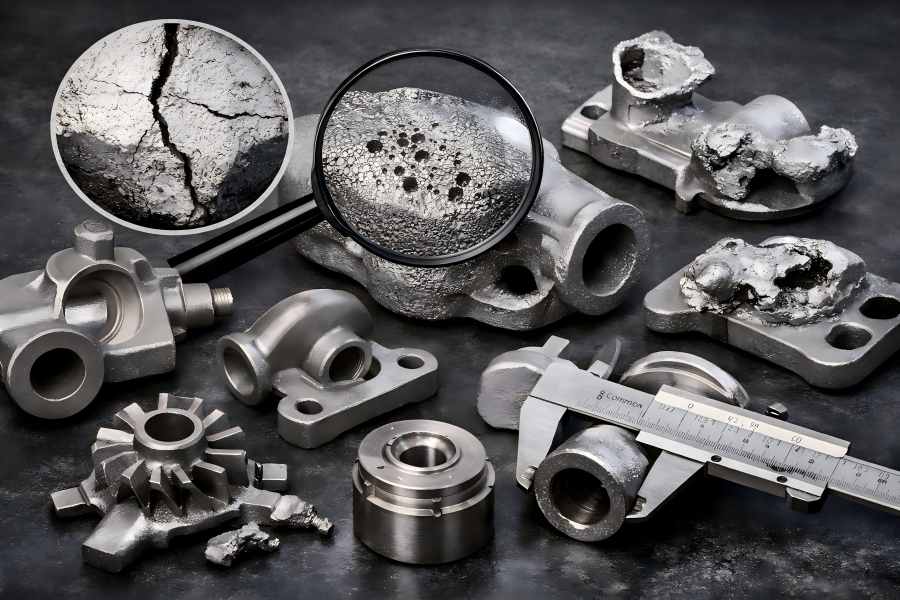
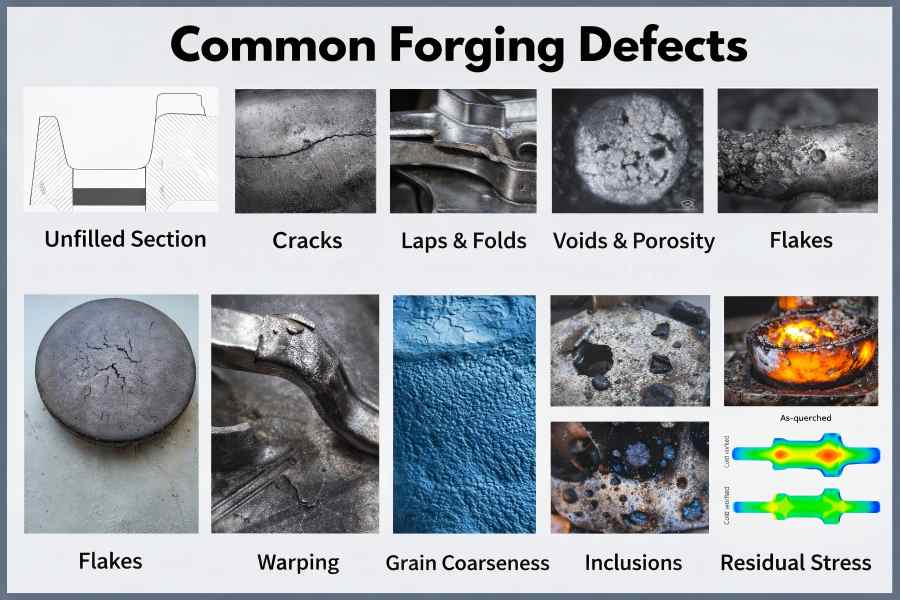
Despite forging technological advances, defects still occur, impacting performance, cost, and delivery, making root-cause understanding essential for quality control and process optimization.