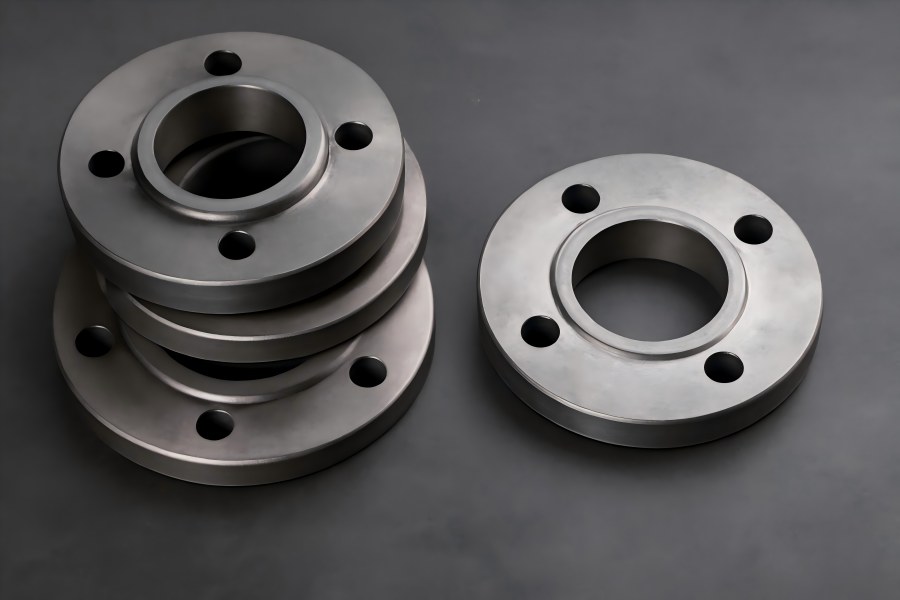
Forged steel flanges are crucial for securely joining piping parts, valves, and pumps in sectors like power generation, chemical processing, water treatment, and oil & gas. Understanding their pricing is crucial for businesses to manage procurement costs, as prices depend on factors such as material, size, pressure rating, and customization.
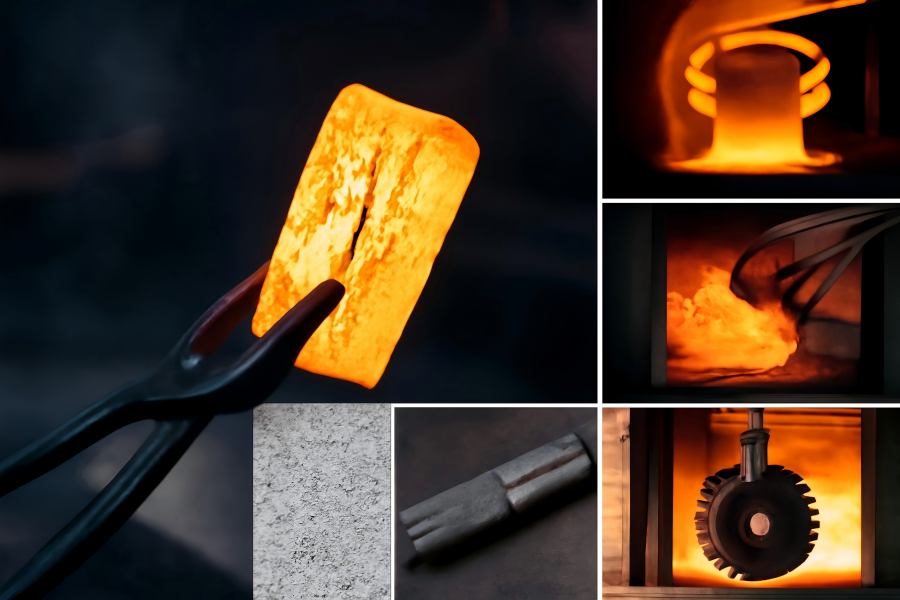
Heat treatment is essential in forging and casting, improving metals’ strength, hardness, toughness, and ductility through controlled heating and cooling that alters their microstructure.
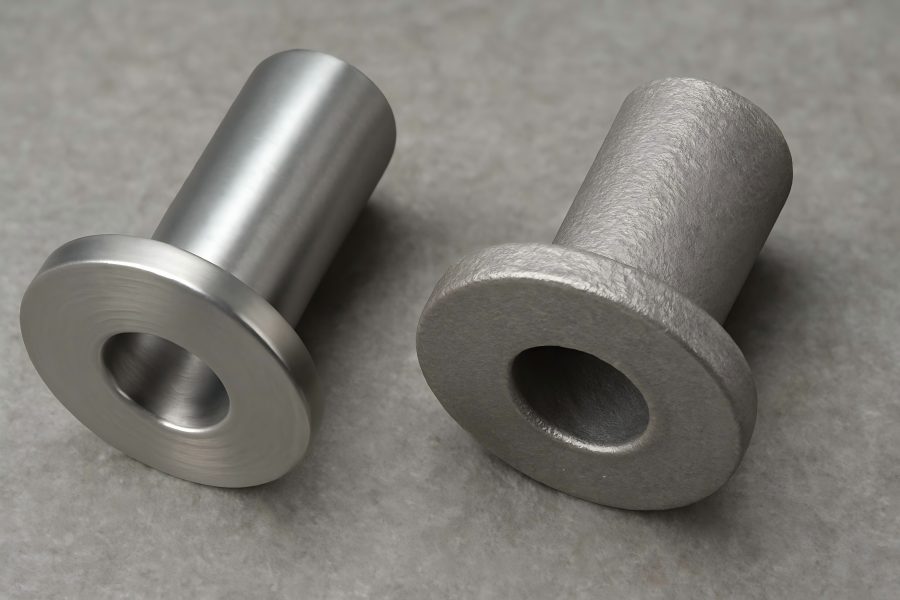
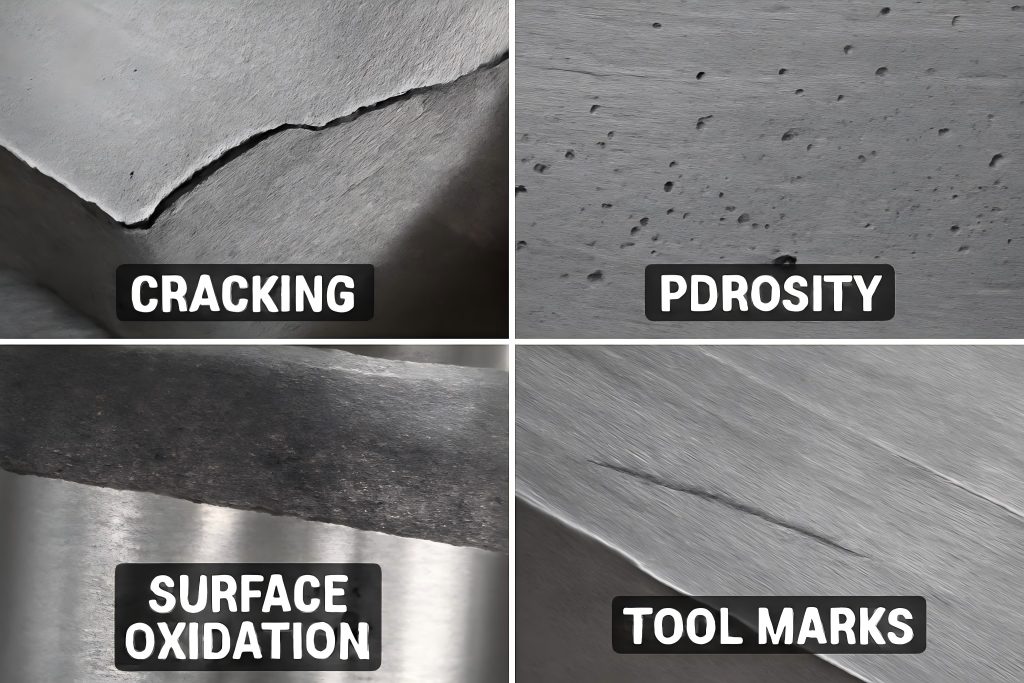
Surface roughness plays a decisive role in determining how metal components perform under stress, friction, and corrosion. In both forging and casting, two of the most widely used metal-forming processes, surface quality directly influences product reliability and service life.
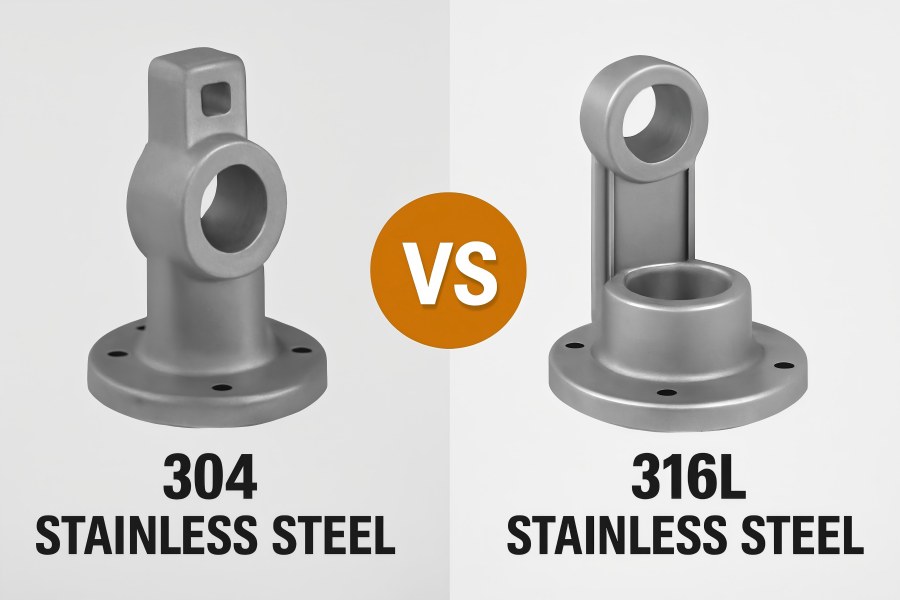
A vital component of contemporary production, stainless steel is valued for its strength, resilience to corrosion, and longevity. 304 and 316L are two of the most widely utilized austenitic stainless steels among the many grades that are available.
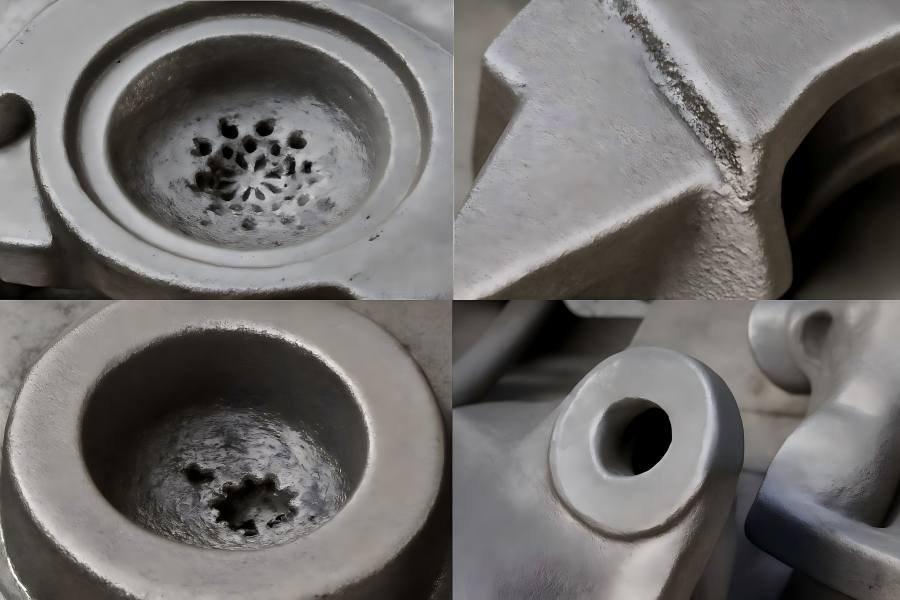
Casting is a foundational manufacturing process for producing metal parts with complex geometry in large volumes. Yet even experienced foundries frequently encounter defects that elevate scrap, rework, and cost.
Steel forging stands at the core of modern heavy-industry manufacturing. From automotive axles and turbine shafts to construction machinery and rail couplings, forged steel components define the strength, safety, and longevity of countless mechanical systems.
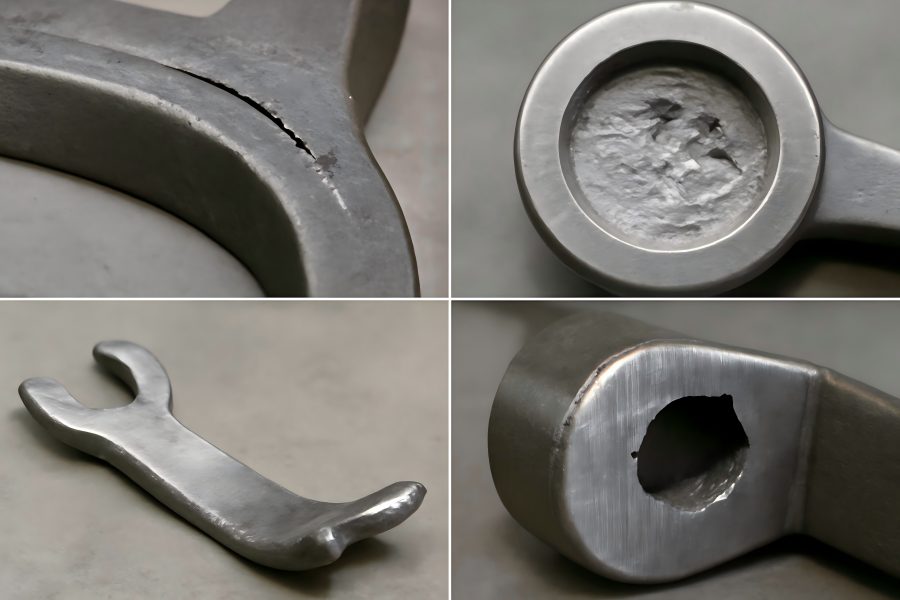
In industries where strength, longevity, and corrosion resistance are critical, stainless steel forgings are indispensable. However, careful attention to detail throughout the forging process is necessary to achieve these qualities. Component integrity can be jeopardized by even small flaws, particularly in corrosion-prone conditions.
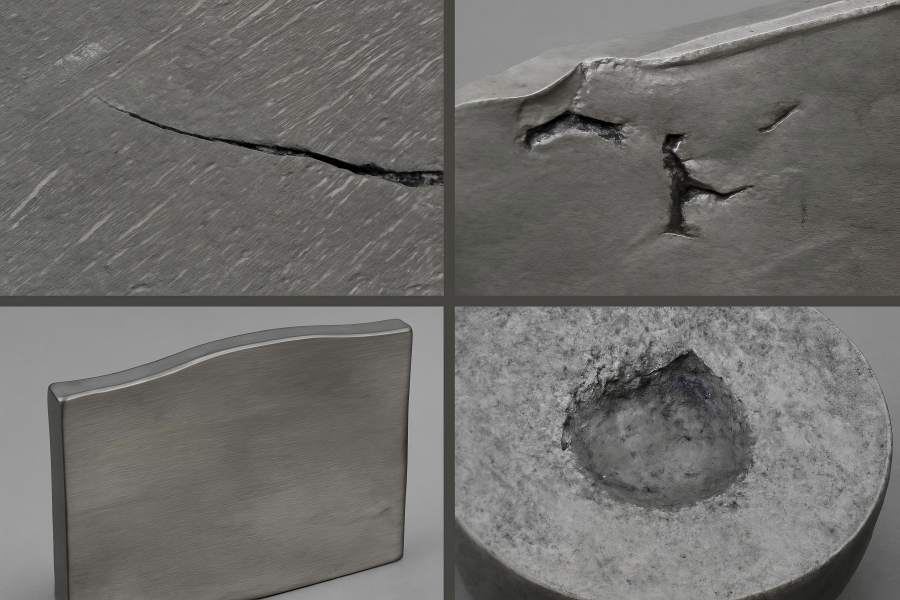
Forging shapes metals like steel, aluminum, and titanium into strong, durable parts using compressive forces. However, defects arising from temperature, pressure, material properties, or mold design can affect quality, increase rework, and raise costs. Improving product performance, cutting waste, and increasing efficiency all depend on fixing these flaws.
Estimating the costs for forging custom projects is essential for determining project feasibility, pricing, and profitability. Understanding the key components that make up the forging cost and utilizing the right methods and tools for calculation will help ensure accurate estimates and optimize the manufacturing process.
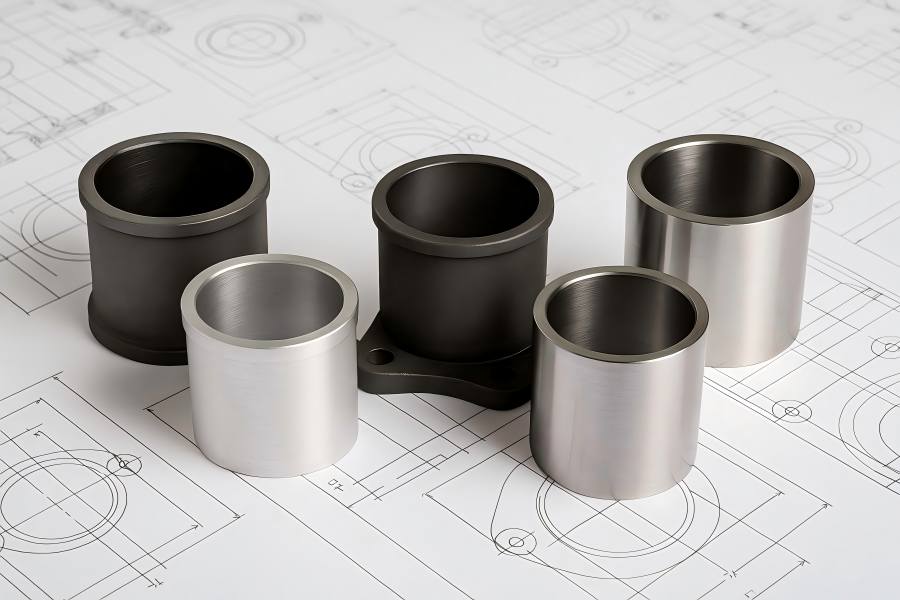
In modern engine design, choosing the right cylinder sleeve material is crucial for efficiency, durability, and heat management. As engines advance and propulsion technologies diversify, materials science continues to meet growing demands.
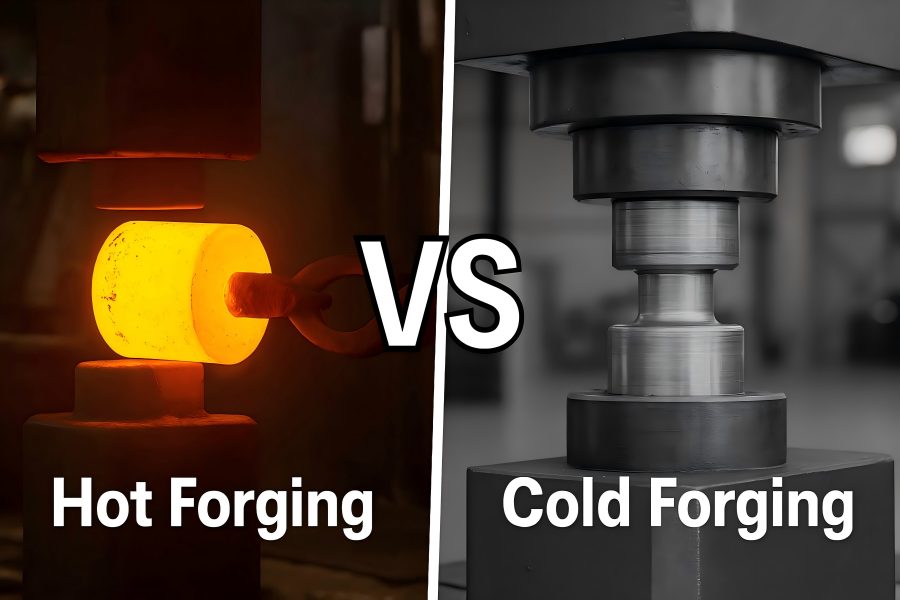
In the world of metal forming, forging remains one of the most trusted processes for producing high-strength, durable, and reliable components. However, not all forging is the same. The two primary methods—hot forging and cold forging—differ not only in temperature but also in their influence on part quality, production economics, and long-term performance.
In industrial manufacturing, hot forging is one of the most reliable and cost-effective methods for producing strong, durable, and high-performance metal parts. From automotive crankshafts and turbine blades to heavy-duty gears and hydraulic components, forged parts dominate industries where safety, fatigue strength, and dimensional consistency are critical.