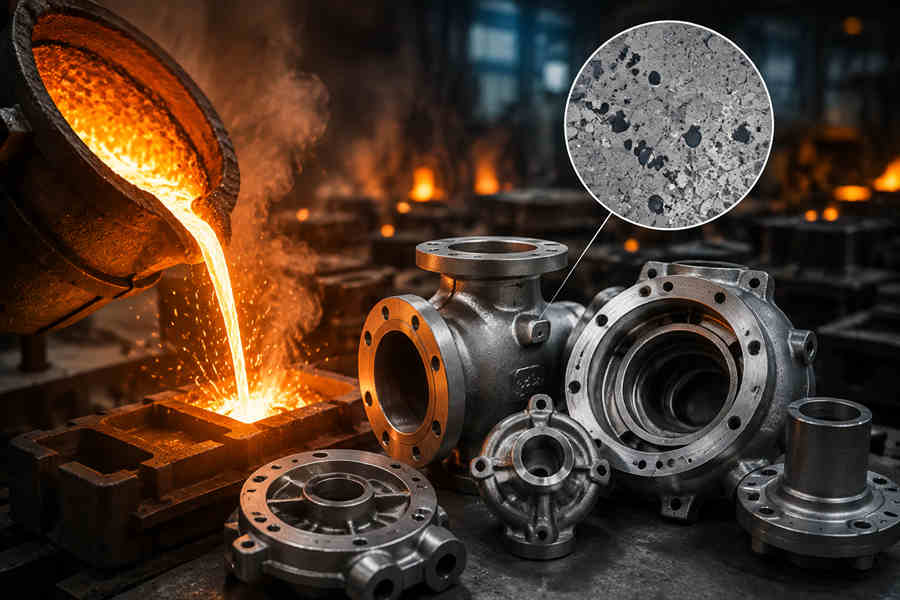
Metal cleanliness is not just some lab-grade quality metric. For custom stainless-steel castings in tough service conditions, it impacts part lifespan, machining consistency, surface finish and in-service failure odds.
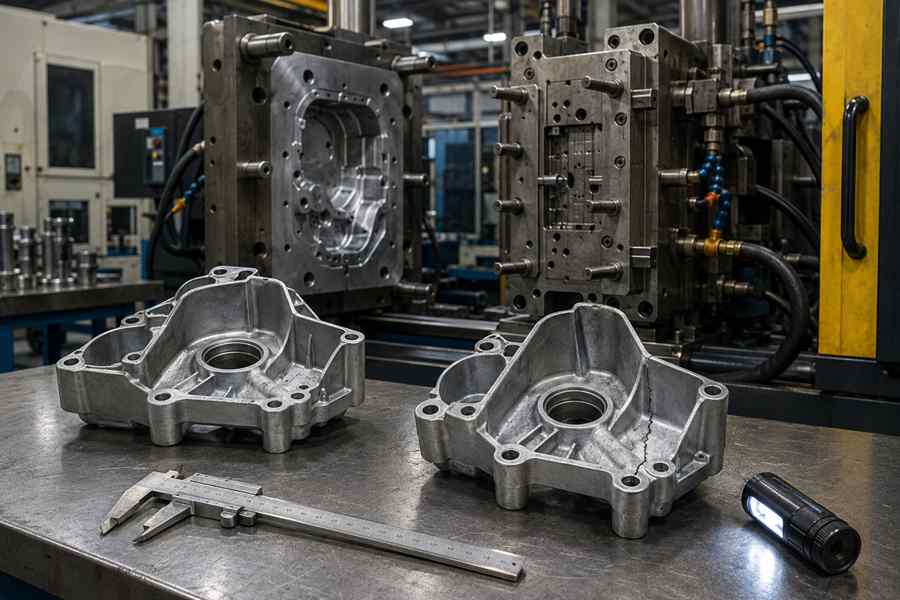
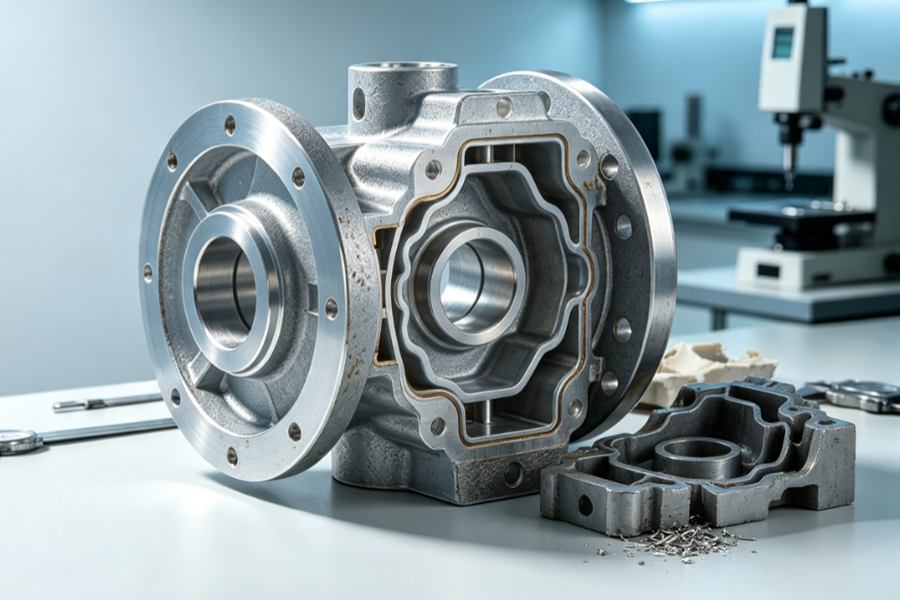
Cold shut represents a frequent surface and internal defect within aluminum die casting. It forms when two or more molten aluminum flow fronts meet after losing enough temperature or velocity that they cannot fully fuse.
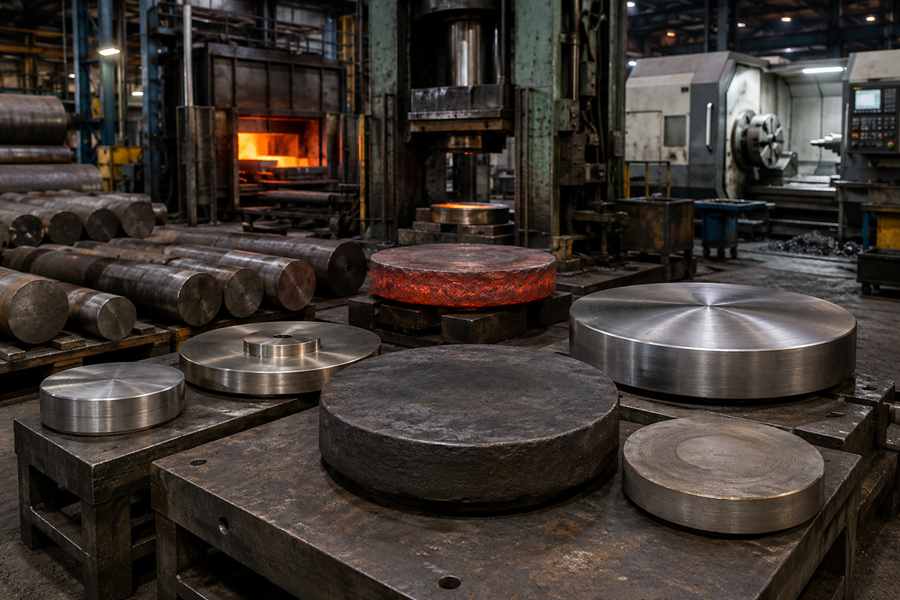
Forged disc cost is mainly shaped by material grade, diameter, and thickness. These three specifications affect billet weight, forging difficulty, press selection, heat treatment, and the amount of stock removed during machining.
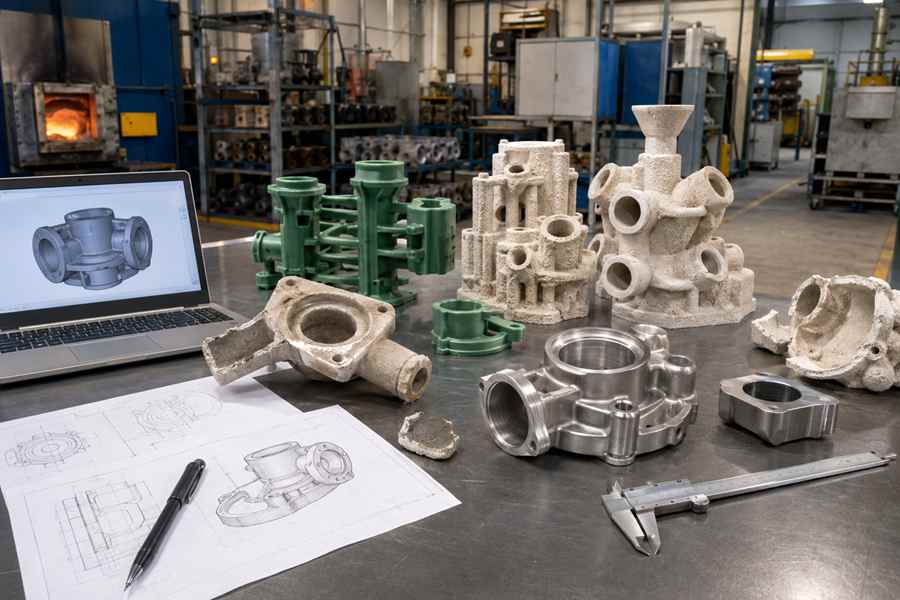
Superior part design can bring down investment casting costs by streamlining wax tooling, lowering ceramic core demands, improving casting tree efficiency, eliminating troublesome heavy sections, establishing proper gate positions, and reducing secondary machining work.
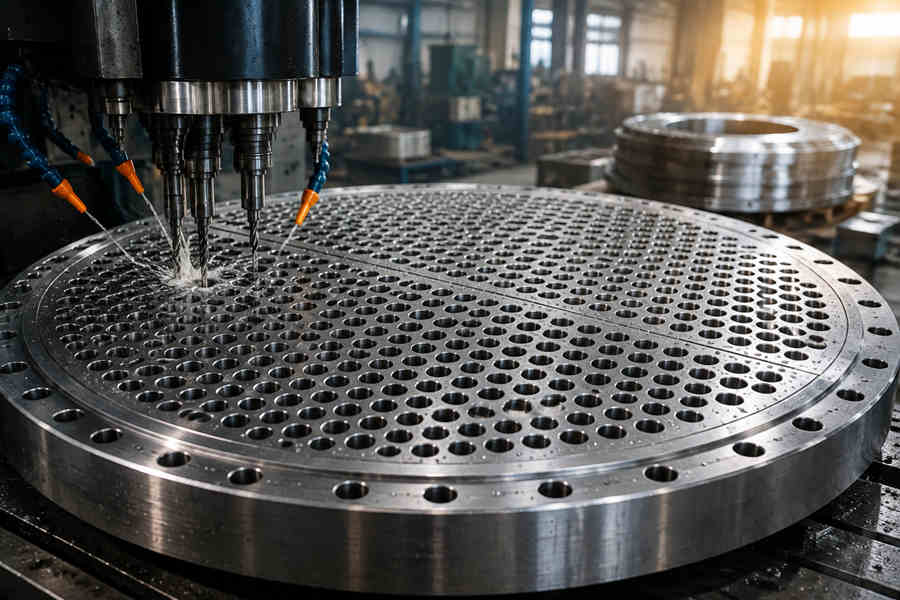
Tube-sheet discs for heat exchangers and pressure vessels are far more than simple drilled flat plates. Their performance relies on material strength, hole precision, surface quality, and stability under fluctuating pressure and temperature.
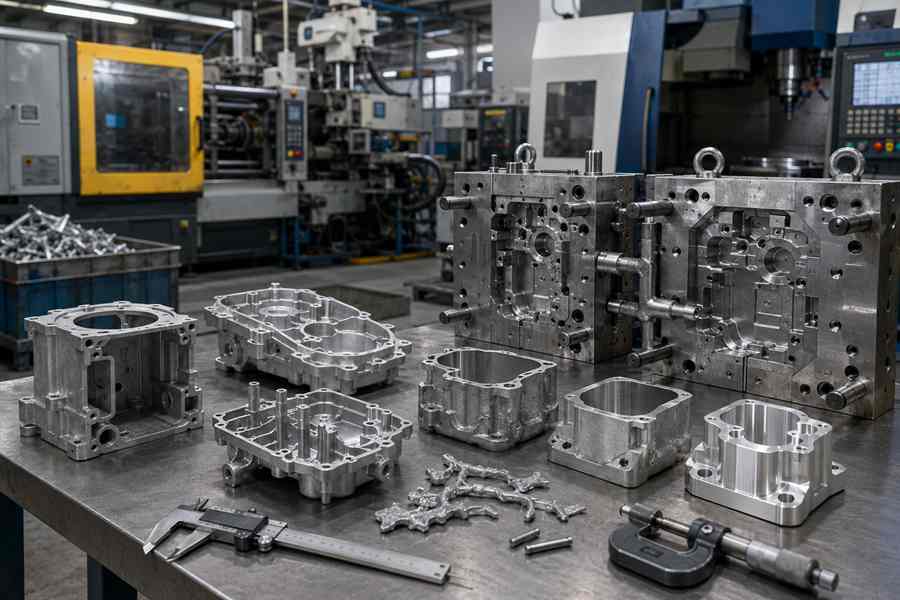
Aluminum die casting costs are strongly linked to how a part performs within the die casting workflow. Projected area, mold opening direction, metal flow, mold thermal balance, gate position and secondary machining all influence the final price quote.
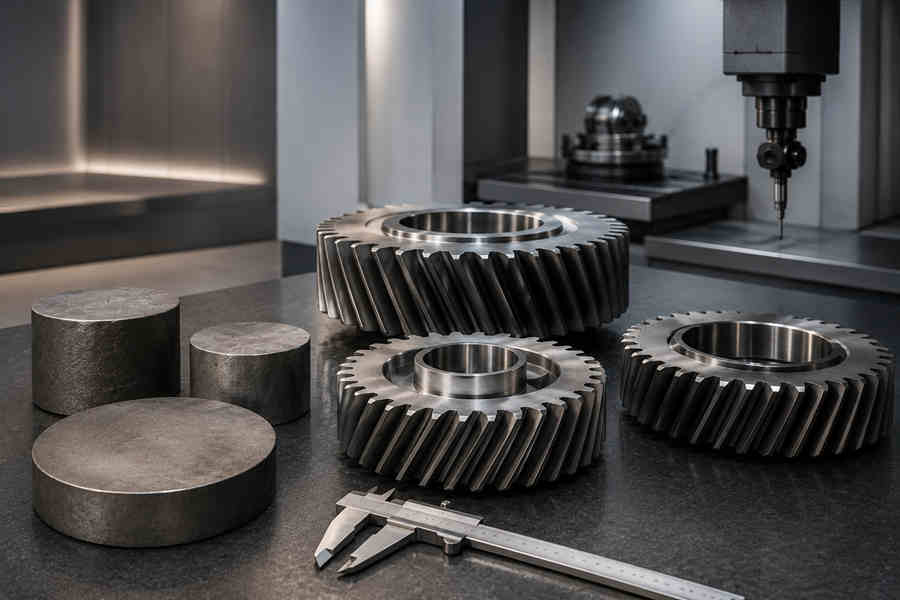
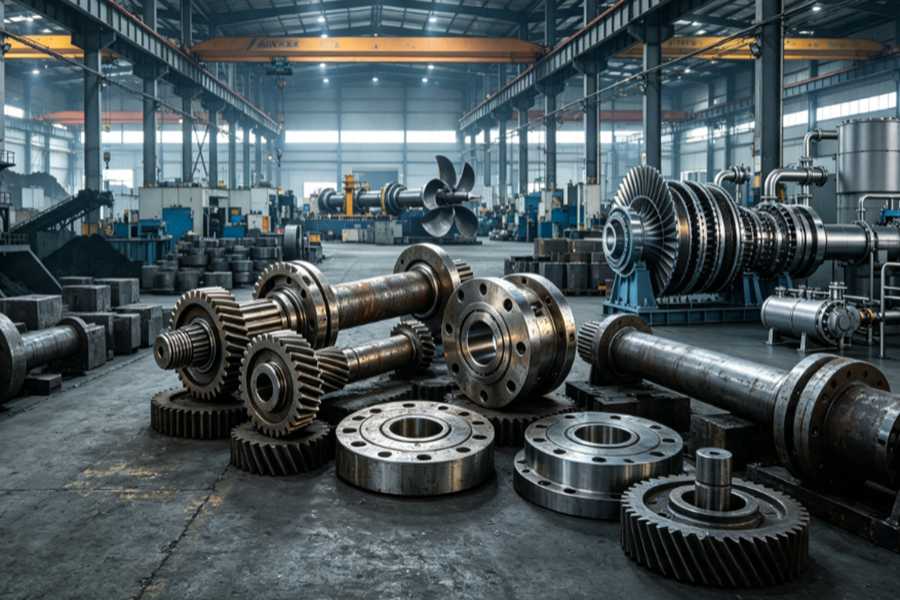
Many firms shopping for industrial gears fixate on the initial quoted unit price. Yet custom forged gears carry costs that go well beyond this figure. Material, forging prep, machining, heat treatment and inspection all affect total spend. Cheaper quoted gears may need extra rework, while slightly higher-priced ones offer better consistency and longer life.
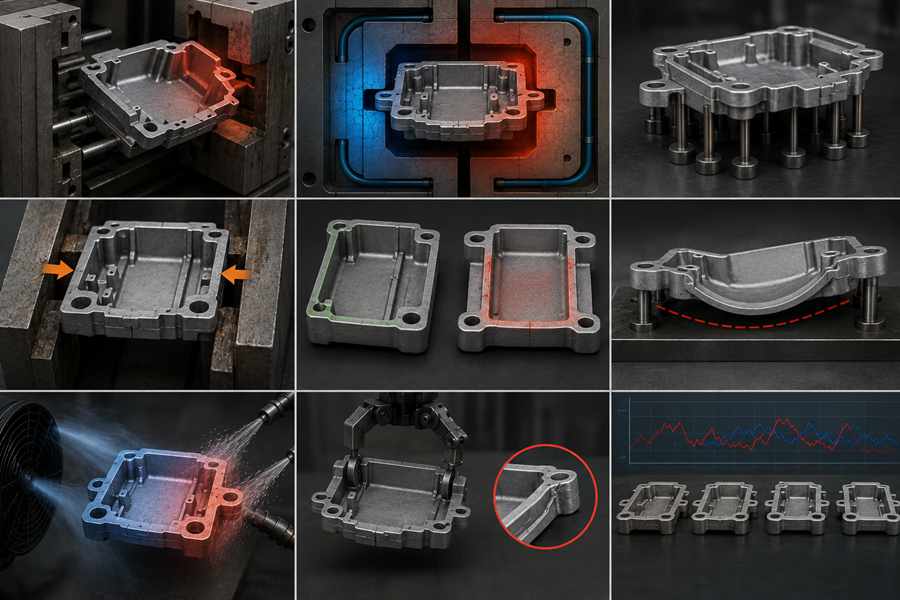
Die-cast part distortion may result from early ejection, uneven die cooling, poor ejector layout, excessive release force, irregular wall thickness, weak support, uncontrolled air or water cooling, improper transfer, and unstable production cycles.
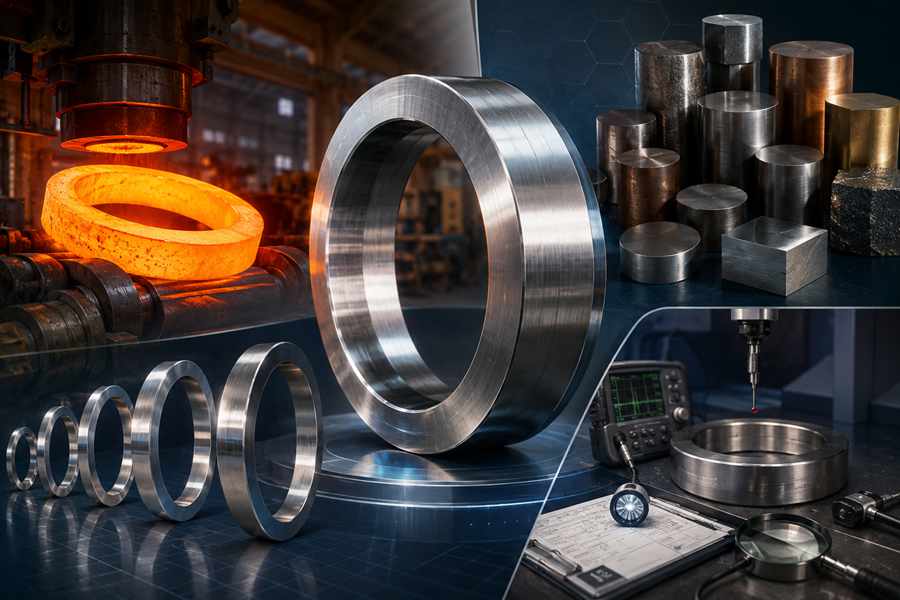
A seamless rolled ring is formed by piercing a heated billet and enlarging it through controlled ring rolling. Its final price is mainly shaped by ring dimensions, alloy selection, delivery condition, and the inspection package requested.
The choice of forged parts relies on materials, loads, working environments and technical demands. Custom forged workpieces boost durability, cut maintenance downtime and ensure steady performance for mining, marine and power equipment.
Precision casting forms grooves, holes, ribs, curved passages, and irregular shapes directly in the mold, reducing machining, tooling, fixtures, assembly steps, material waste, and overall production complexity for complex parts.
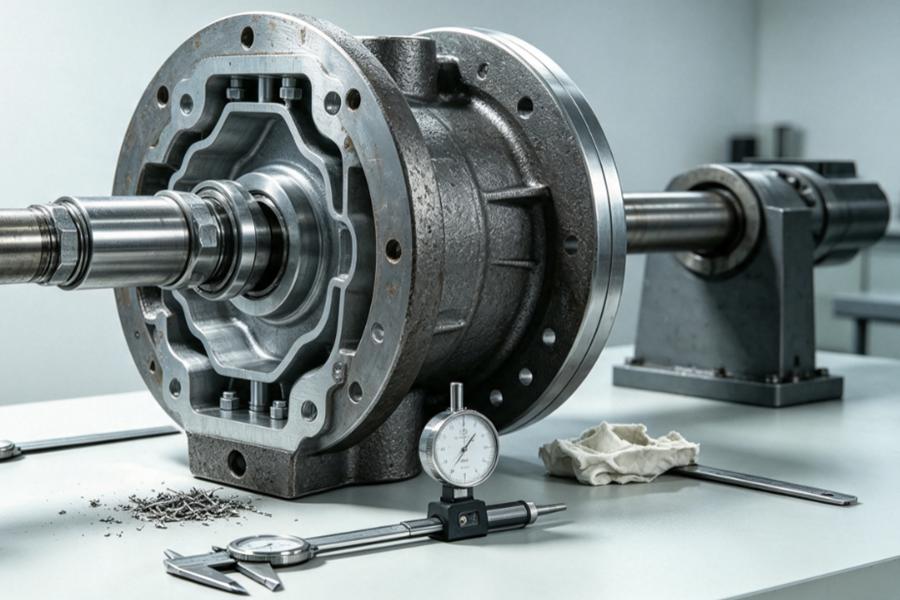
Forged hubs may meet drawing tolerances yet fail in service. Bore alignment, face runout, spline contact, shoulder geometry, and heat-treatment distortion must work together for accurate rotation and torque transfer.