
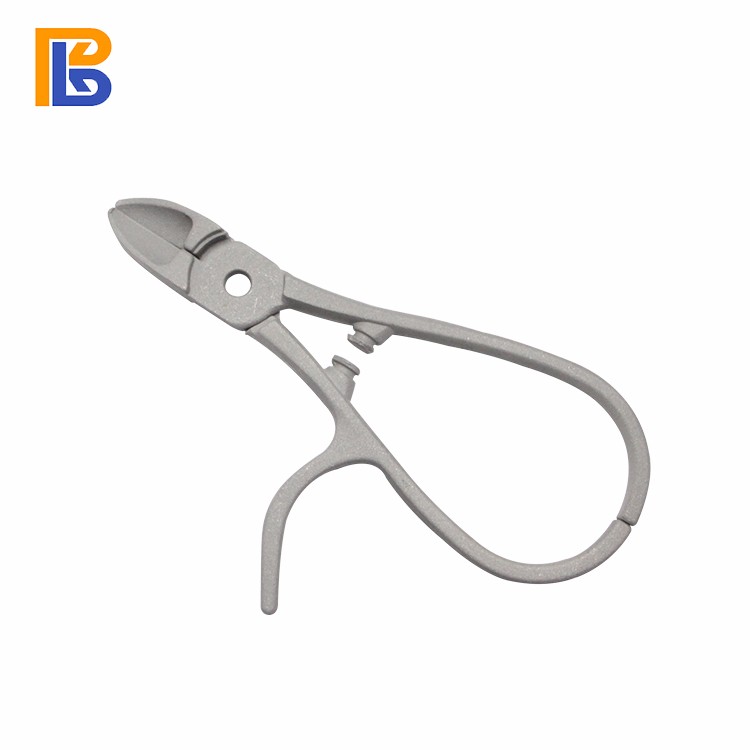
Surface-treated Carbon Steel Castings
- Net-shape casting: Near-final geometry reduces or eliminates secondary machining, saving time and tooling cost.
- High strength & toughness: Carbon steel grades provide robust mechanical performance for heavily loaded or impact tools.
- Rich surface treatments: Hot-dip galvanizing, zinc and chrome plating, painting, powder coating, polishing, anodizing, black oxide, and more.
- Fine surface finish: Casting roughness as low as Ra1.6–3.2 with tight machining tolerance up to ±0.009 mm.
- Flexible production capacity: 100–150 tons per month with stable 45-day lead time for regular orders.
Technical Specifications
| Item | Details |
| Product Name | Surface-treated Carbon Steel Castings |
| Material | Carbon steel (per GB, ASTM, AISI, DIN, BS, JIS standards) |
| Material Standards | EN, BS, AISI, ASTM, JIS |
| Casting Processes | Precision investment casting, sand casting |
| Weight Range – Carbon Steel | 1 g – 99 kg (investment); sand casting from 0.5 kg |
| Minimum Wall Thickness | Approx. 0.5 mm |
| Casting Surface Roughness | Ra1.6–3.2 (typical investment); general range Ra3.2–6.4 |
| Machined Surface Roughness | Ra 0.8–1.6 |
| Machining Tolerance | Up to ±0.009 mm |
| Surface Treatment Options | Hot-dip galvanising, zinc plating, chrome plating, spray painting, powder painting, polishing, anodising, black oxide |
| Supply Capacity | 100–150 tons per month |
| Delivery Time | About 45 days |
Customization Options
- Choice of carbon steel grade according to strength, hardness, and toughness requirements.
- Tool geometry, wall thickness, and functional features per 2D/3D drawings or samples.
- Selection of casting process (investment or sand) based on size and precision needs.
- Specified tolerances and machining allowances for cutting edges, jaws, or clamping surfaces.
- Surface treatment method, thickness, color, and corrosion-resistance level.
- Optional heat treatment, hardness range, and testing plan (hardness, tensile, impact, etc.).
- Marking, logo engraving, and export packaging to match OEM or brand requirements.
Applications
- Sewing and textile machinery tools and accessories
- Printing and packaging machinery components
- Hand tools and plier bodies for industrial or DIY markets
- Hardware and fastening tools for construction and installation
- Marine and gardening tools requiring durable, corrosion-protected surfaces
- General mechanical, jig, and fixture components in workshops and factories