
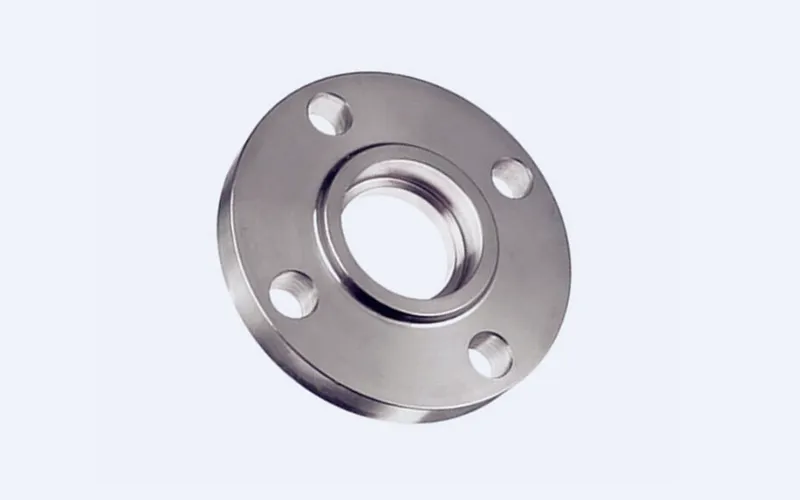
Socket weld flanges ensure strong, leak-resistant connections in high-pressure piping across oil & gas, petrochemical, power, shipbuilding, and industrial sectors. Choosing a reliable manufacturer guarantees quality, supply, and standards compliance.
Understand Your Application Requirements
The first step in choosing a manufacturer is to clearly define the specifications of the socket weld flanges required for your project. Different applications demand varying levels of pressure, corrosion resistance, and temperature tolerance.
- Pressure Rating: Determine whether your system requires Class 150, Class 300, or higher pressure flanges.
- Material Requirements: Depending on the fluid or gas in the pipeline, flanges may need to be made from carbon steel, stainless steel, alloy steel, or nickel alloys.
- Size and Dimensions: Standard dimensions follow ASME B16.5 or other international standards, but some projects may require custom sizes.
- Facing Type: Depending on gasket compatibility and sealing requirements, Flat Face (FF), Raised Face (RF), or Ring Type Joint (RTJ) flanges may be needed.
You may successfully interact with potential manufacturers and lower the chance of acquiring incompatible products by outlining your requirements in detail.
Verify Industry Certifications and Compliance
Reputable manufacturers uphold international standards and certifications attesting to the quality of their goods. Important certifications to check include:
- ASME Certification: Compliance with ASME B16.5 ensures proper flange dimensions, pressure ratings, and material quality.
- API Certification: Essential for oil and gas applications, ensuring compliance with API standards for pressure and temperature.
- Material Test Reports (MTRs): Verify the materials’ mechanical characteristics and chemical makeup.
Working with certified manufacturers ensures that the flanges are reliable, safe, and suitable for critical industrial applications.
Common Certifications for Socket Weld Flanges
| Certification | Scope | Importance |
| ASME B16.5 | Flange dimensions & pressure ratings | Critical for industrial compliance |
| ISO 9001 | Quality management systems | Ensures consistent quality |
| API 6A/6D | Oil & gas flange standards | Required for petrochemical applications |
| MTR | Material test report | Confirms material properties |
Evaluate Manufacturing Capabilities
A manufacturer’s production capabilities determine whether they can meet your quantity, quality, and timeline requirements. Important factors to assess include:
- Machining Equipment: Modern CNC machines, lathes, and drilling centers ensure precision, especially for large or custom flanges.
- Material management: Contamination hazards are decreased by storing and managing raw materials like nickel alloys and stainless steel in an efficient manner.
- Production Capacity: Check whether the manufacturer can handle both small-scale orders and bulk production efficiently.
- Custom Capabilities: Ensure they can produce non-standard sizes, threads, or facing types if your project requires them.
You can learn more about the manufacturer’s capabilities and manufacturing standards by going to the factory or asking for a virtual tour.
Evaluate Quality Control Methods
Strict quality control is necessary to produce high-quality flanges. Key quality control practices include:
- First-Piece Inspection: Verifying the first item produced against specifications to prevent batch defects.
- In-Line Inspection: Continuous checks during production for dimensional accuracy and surface finish.
- Final Inspection: Comprehensive testing, including dimensional checks, pressure testing, and surface evaluation.
Reliable manufacturers maintain strict quality control records, including inspection reports and certificates for each batch. These records offer quality assurance and traceability.
Quality Control Measures
| Stage | Purpose | Typical Methods |
| First-Piece Inspection | Verify initial production quality | Dimensional checks, material verification |
| In-Line Inspection | Monitor consistency during production | Laser measurement, visual inspection |
| Final Inspection | Ensure compliance before shipping | Pressure tests, NDT, surface finish evaluation |
| Documentation | Traceability & certification | Certificates, MTRs, inspection reports |
Examine Experience and Reputation
Experience matters when choosing a socket weld flange manufacturer. A well-established manufacturer often has better technical expertise, reliable supply chains, and proven quality.
- Years in Business: Long-standing manufacturers are likely to have refined processes and better industry knowledge.
- Client Portfolio: Working with reputable clients in oil & gas, chemical, or power sectors indicates credibility.
- Case Studies and References: To evaluate performance dependability, ask for samples of previous projects and client endorsements.
A manufacturer’s reputation for delivering on time, meeting specifications, and responding to issues promptly is a strong indicator of reliability.
Assess Inventory Control and Material Sourcing
Reputable producers always have access to premium raw resources. Consider:
- Material Suppliers: Check whether the manufacturer sources certified steel, stainless steel, or alloys.
- Inventory Management: Adequate raw material stock ensures timely production and prevents delays.
- Traceability: Materials should be traceable from the supplier to the finished product.
Manufacturers with well-managed supply chains reduce the risk of delays, quality issues, or counterfeit materials.
Check After-Sales Support and Services
After-sales support can significantly impact your project success, especially if you encounter installation issues or need replacement flanges. Evaluate:
- Technical Support: Assistance with installation, specifications, and flange selection.
- Warranty and Returns: Explicit guidelines for faulty or non-compliant flanges.
- Logistics Support: Timely shipping and packaging solutions for safe delivery.
- Customization Assistance: Ability to provide design consultation for specialized applications.
Good after-sales support ensures smooth project execution and reduces downtime due to component issues.
Examine Prices and Value
Price is a significant factor, but it shouldn’t be the only one. Low-cost manufacturers may compromise on quality, material, or compliance. Consider:
- Total Cost of Ownership: Take into account not only the unit purchase but also inspection, shipping, maintenance, and replacement expenses.
- Value Added Services: Additional engineering support, custom machining, or expedited production may justify higher costs.
- Payment Terms: Flexible payment options may improve cash flow management.
Cost Comparison Considerations
| Factor | Impact on Cost | Notes |
| Material Type | High | Stainless steel or alloys increase raw material cost |
| Production Complexity | Medium | Large sizes or custom threads increase machining cost |
| Certifications | Medium | ISO, ASME, API compliance may raise costs |
| Shipping & Handling | Low-Medium | International delivery adds logistics costs |
| After-Sales Support | Low-Medium | Warranty and technical assistance enhance value |
Assess Lead Times and Delivery Reliability
Timely delivery is crucial, particularly for large projects or maintenance operations. A reliable manufacturer should:
- Provide realistic lead times based on production complexity.
- Offer flexibility for urgent or high-volume orders.
- Keep backup plans in case of equipment failure or shortages of materials.
Manufacturers that consistently meet delivery schedules reduce project delays and associated costs.
Evaluate Environmental and Safety Practices
Modern manufacturing emphasizes environmental responsibility and workplace safety. Manufacturers who prioritize these factors tend to be more reliable:
- Safety Compliance: OSHA or local safety regulations adherence ensures safe working conditions.
- Waste Management: Proper disposal of scrap metal, chemicals, or lubricants reduces environmental impact.
- Sustainable Practices: Efficient energy use and recycling contribute to long-term reliability and corporate responsibility.
Choosing a manufacturer with strong safety and environmental practices ensures ethical sourcing and minimizes legal or operational risks.
Conduct Due Diligence and Verification
Before finalizing a manufacturer, verify their claims:
- Factory Visits: Observe production processes, machinery, and quality control in person.
- Sample Orders: Request small quantities for inspection before committing to large orders.
- Third-Party Audits: Consider independent audits for certification and compliance verification.
- References: Get input on dependability and service quality from former customers.
Due diligence reduces risks of substandard products, delays, or miscommunication.
Consider Technology and Innovation
Manufacturers using modern technology often produce better-quality flanges with higher efficiency:
- CNC Machining: Ensures precise dimensions, smooth surfaces, and consistent quality.
- Automated Inspection: Laser measurement and coordinate measuring machines (CMM) improve accuracy.
- Advanced Materials: Use of corrosion-resistant or high-strength alloys extends product lifespan.
- Digital Order Tracking: Online tracking of orders, production stages, and shipping enhances transparency.
Investing in technologically advanced manufacturers ensures reliability and consistent high-quality flanges.
Communication and Customer Service
Effective communication is vital for smooth collaboration:
- Responsiveness: Quick replies to technical queries or order changes indicate professionalism.
- Language and Documentation: Clear, accurate documentation in your preferred language reduces errors.
- Proactive Problem Solving: Manufacturers that suggest solutions for design, production, or logistics challenges are highly valuable.
- Good communication reduces misalignment and enhances project efficiency.
Choosing a reliable socket weld flange manufacturer requires evaluating materials, quality control, machining, certifications, delivery, and customization. A reputable supplier ensures safe, efficient, compliant piping systems, reduces risks, and provides long-term reliability.