Boberry

Blind Flange Supplier

Get a Quote

Based on Design Type

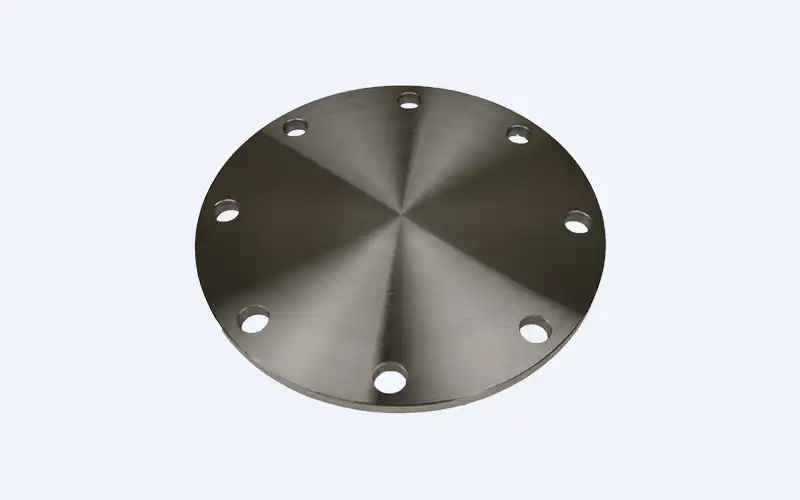
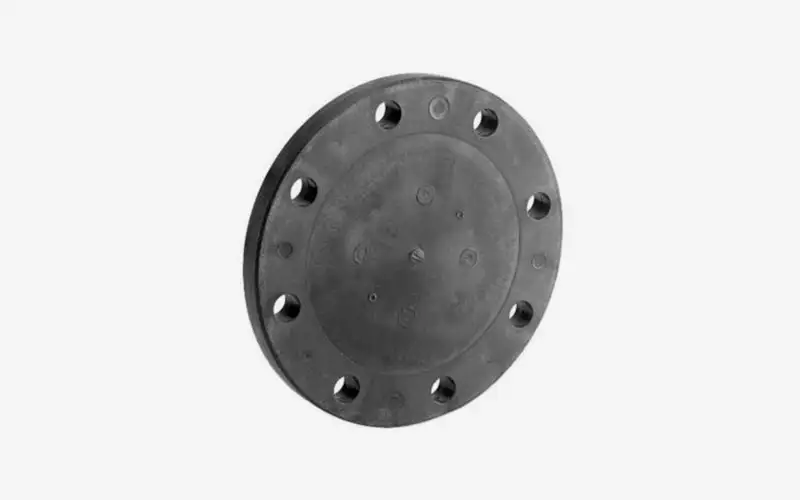
Flat Face Blind Flange

Flat Face Blind Flange

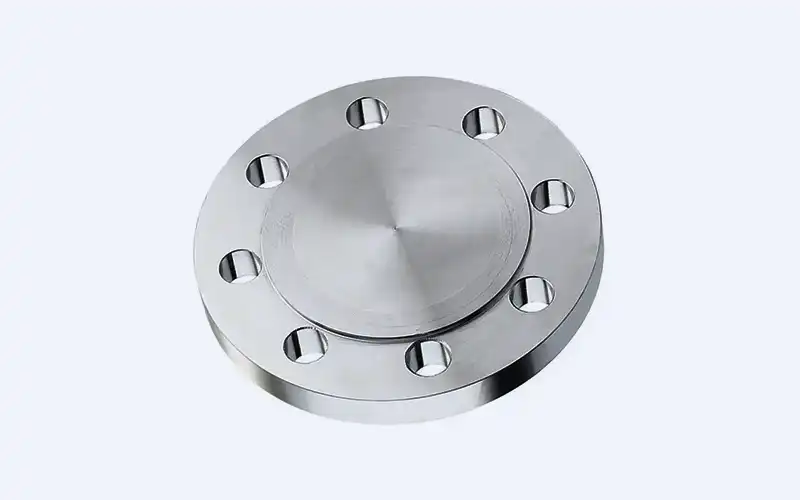
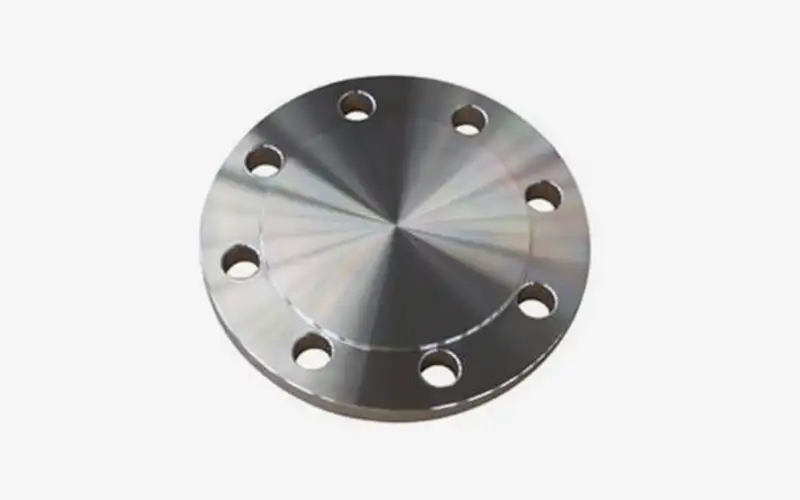
Raised Face Blind Flange

Raised Face Blind Flange

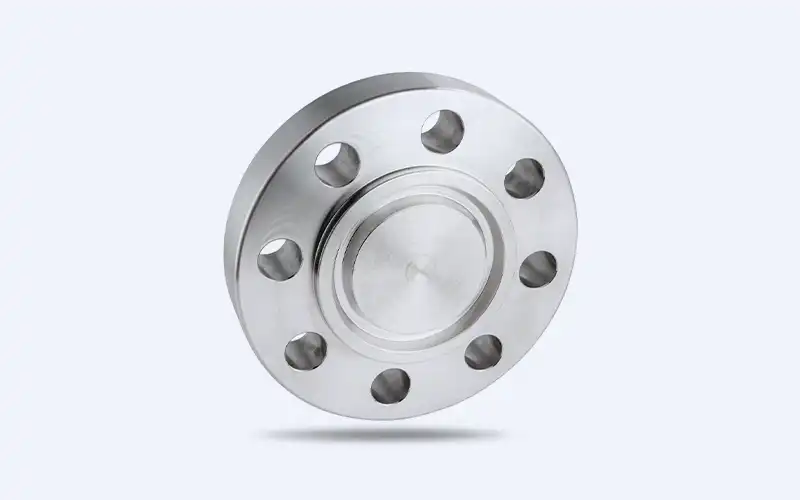
Ring Type Joint Blind Flange

Ring Type Joint Blind Flange

End Blind Flange Materials Options

Carbon Steel

Carbon Steel blind flange

Stainless Steel

Stainless Steel blind flange

Ductile Iron

Ductile Iron blind flange

Nickel Alloy

Nickel Alloy blind flange

Blind Pipe Flange Technical Specification


Parameter

Typical Range

Blind Flange

Outside Diameter (OD)

1/2 inch to 60 inches (15mm to 1524mm)

Thickness

0.5 inch to 4 inches (12mm to 102mm)

Pressure Class

Class 150 to Class 2500

Face Type

Flat Face (FF), Raised Face (RF), Ring Type Joint (RTJ)

Number of Bolt Holes

Typical hole numbers are 4, 8, 12, or 16.

Material

Carbon Steel, Stainless Steel, Alloy Steel, Cast Iron, Nickel Alloy

Temperature Range

-29°C to 540°C (-20°F to 1000°F)

Standards

ASME B16.5, ASME B16.47, API 6A, etc.

Surface Treatment

Galvanized, Coated, Painted, Anti-corrosion Treatment

Thread Type

Internal Thread, External Thread

Get a Quote

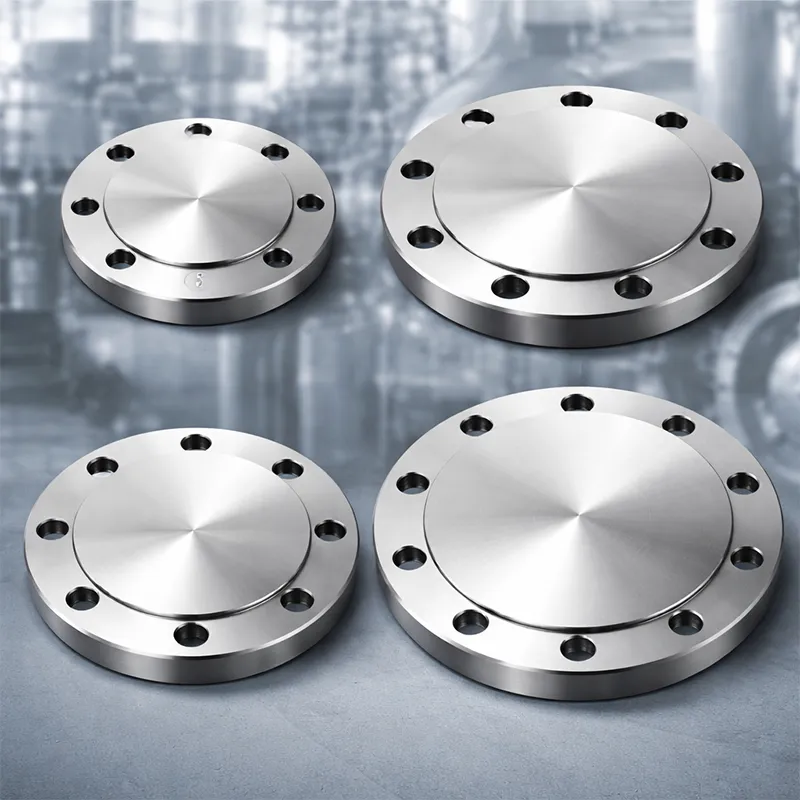
Applicable Pipe Sizes

Applicable Pipe Sizes

3" /4” Blind Flange

6" Blind Flange

8" Blind Flange

12" Blind Flange

Get a Quote

What Customization Services Can We Provide for You?

Customization of blind flange

Size Customization

Material options

Surface treatments

Pressure Ratings

Other Custom Options

Applications

Blind Flange Chemical Industry

Chemical Industry

Blind flange Oil and Gas

Oil and Gas

blind flange for Food and Pharmaceutical Industry

Food and Pharmaceutical Industry

blind flange for Water Treatment Systems

Water Treatment Systems

Contact Us Now

    FAQs

    Is it possible to use blind flanges in extremely hot or cold conditions?

    Yes, Blind Flanges can be used in both high and low-temperature environments. To ensure performance in extreme temperatures, from cryogenic to high-heat applications, material selection (such as stainless steel or nickel alloys) is crucial.

    RTJ Blind Flanges provide a superior seal compared to other face types, especially in high-pressure systems. They are designed for critical sealing applications where leakage must be minimized, such as in oil and gas or chemical processing industries.

    Yes, subsea or underwater environments require high-performance sealing, and blind flanges are essential for such installations. Corrosion-resistant materials like monel or super duplex stainless steel are used for their excellent durability under extreme pressures and marine conditions.

    In many cases, Blind Flanges can be reused, provided they have not been subject to excessive wear, corrosion, or damage. To guarantee the best seal, gaskets should be changed on a regular basis.

    The cost of a Blind Flange depends on factors like material type (stainless steel is more expensive than carbon steel), size, pressure class, and surface finish. Customization or special certifications can also impact the price.

    Yes, Blind Flanges can be used in vibration-prone environments, but care must be taken to use materials and designs that can withstand mechanical stresses. Adding reinforcements or using specific flange types like raised face or RTJ can help in such applications.

    Blind flanges prevent unintended flow, reduce the risk of pressure spikes, and can help during system maintenance or shutdowns.

    Let's Talk