Lap Joint Flange Supplier
- We offer two-piece Lap Joint Flanges made from high-quality forged materials, designed for low-pressure, corrosion-sensitive systems, ensuring strength, durability, and easy assembly/disassembly.
- To ensure optimal performance and longevity in a variety of industries, custom services offer customized dimensions, pressure ratings, and material selections.
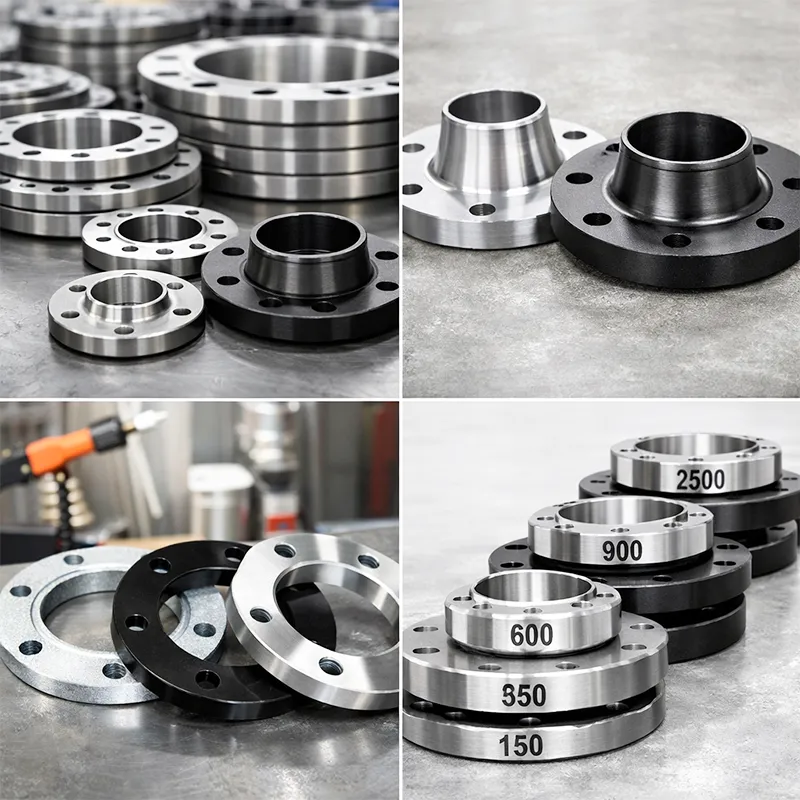
- Pressure Ratings of 150, 300, 600, 900, 1500, 2500
- Size Range from 2” to 24” (OD)
- Carbon Steel, Stainless Steel, Alloy Steel Materials
- Raised Face or Flat Face Options Available
- Customizable for Various Industry-specific Needs
The Structure of Lap Joint Pipe
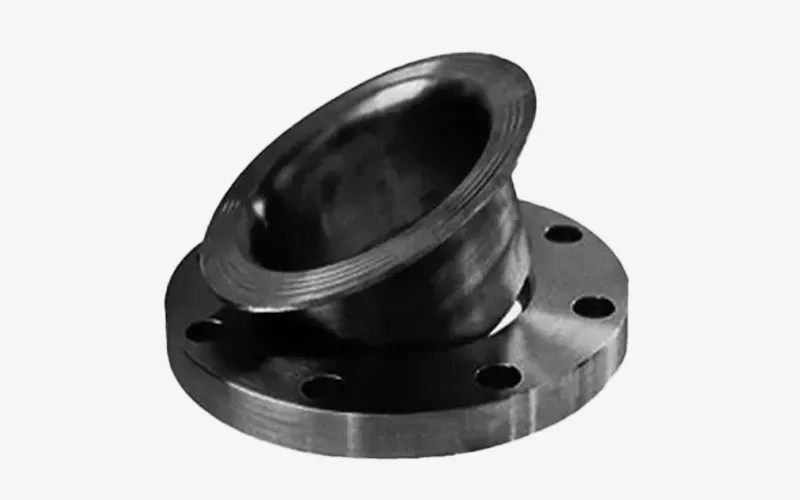
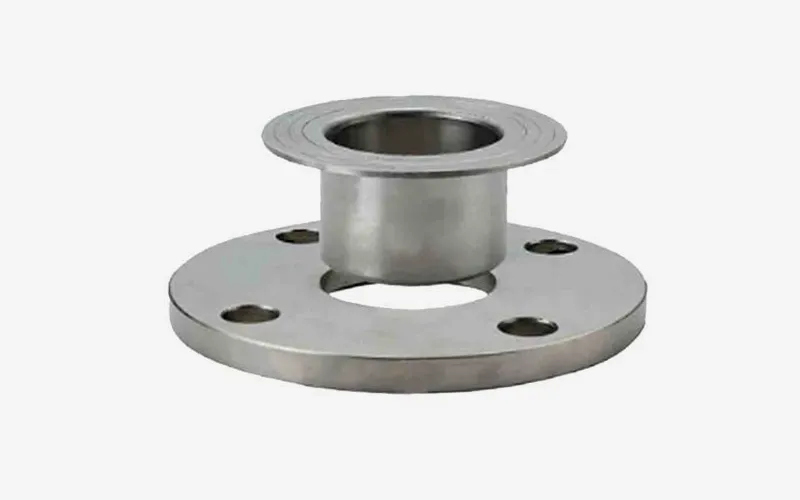
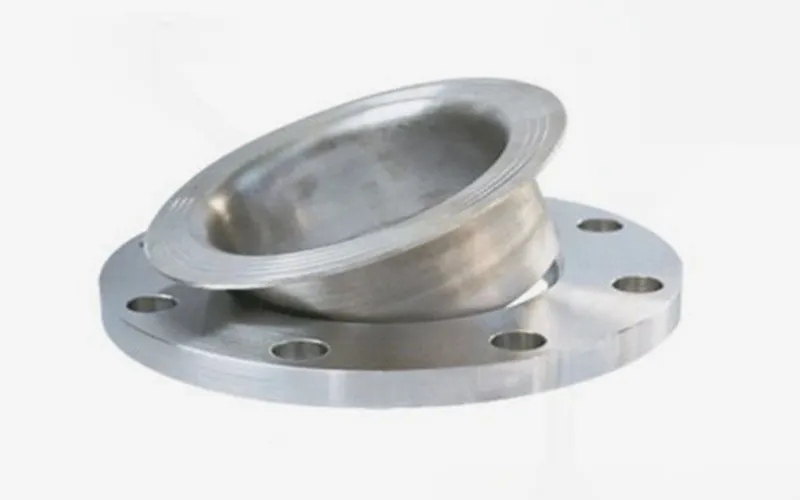
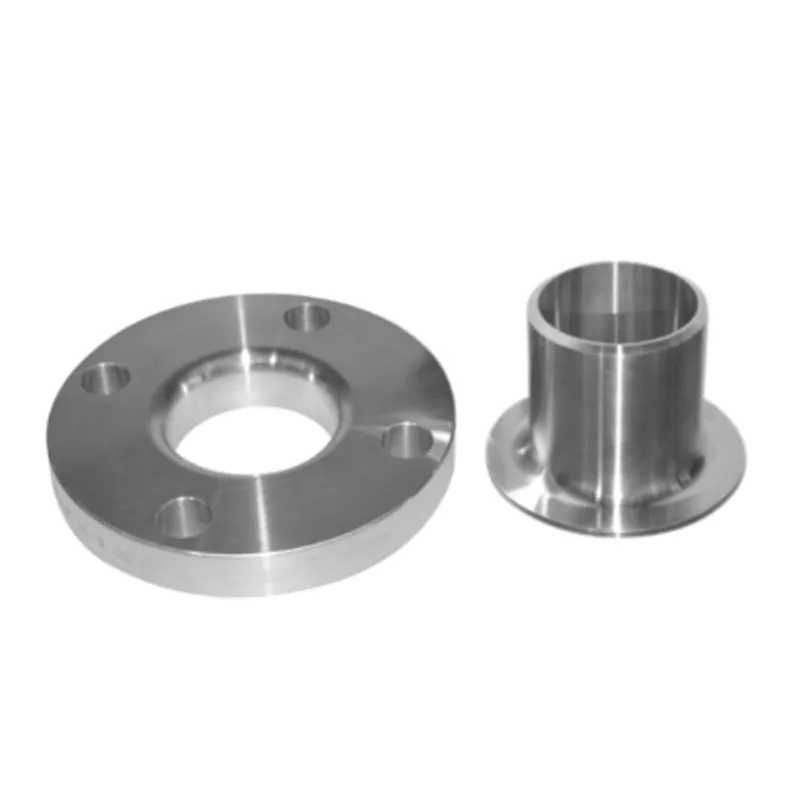
A Lap Joint Flange is a two-piece system with a welded stub end and a rotating loose backing flange, offering easy bolt alignment and installation flexibility.
Stub End
- Semi-circular or tapered shape for better sealing.
- Made from carbon, stainless and alloy steel.
- Short length, ranging from 3 to 6 inches.
- Pressure ratings from 150 to 2500.
Loose Backing Flange
- Matches pipe outer diameter, ranging from 2" to 24".
- Typically 4 or 8 holes, customizable as needed.
- Made from stainless steel (304, 316) or carbon steel (A105).
Material Options for Lap Joint Flange
We offer a wide range of materials for Lap Joint Flanges, including carbon steel, stainless steel, and alloy steel, ensuring suitability for diverse pressure and temperature applications.
Carbon Steel
- ASTM A105: Standard carbon steel for general-purpose, pressure systems.
- ASTM A350 LF2: Cryogenic-grade low-temperature carbon steel for extreme conditions.
Stainless Steel
- ASTM A182 F304: General-purpose stainless steel, resistant to oxidation and corrosion.
- ASTM A182 F316: Stainless steel with molybdenum for enhanced corrosion resistance.
- ASTM A182 F316L: Low carbon version for better weldability and strength.
Alloy Steel
- ASTM A182 F11: Chromium-Molybdenum alloy steel for high-temperature applications.
- ASTM A182 F22: Higher chromium and molybdenum content for extreme temperatures.
Lap Joint Flange Technical Specification
| Parameter | Description | |
|
Material Options | Carbon Steel (ASTM A105, A350 LF2), Stainless Steel (A182 F304, F316, F316L), Alloy Steel (A182 F11, F22) |
| Pressure Class | ANSI 150, 300, 600, 900, 1500, 2500 | |
| Size Range | 1/2″ to 24″ (Standard) / Custom sizes available for larger diameters | |
| Face Type | Raised Face (RF), Flat Face (FF) | |
| Face Height (RF) | 1/16″ (1.6 mm) for flanges ≤ 24″ / 1/4″ (6.4 mm) for flanges > 24″ | |
| Thickness | Customizable based on size and pressure class. | |
| Temperature Range | -50°F to 1200°F (-45°C to 650°C) depending on material and application | |
| Gasket Type | Spiral Wound Gasket, Metal Ring Gasket | |
| Standard Compliance | ASME B16.5, ASME B16.47, EN 1092-1, JIS B2220 | |
| Customizable Features | Size, material combinations, surface treatment, pressure class |
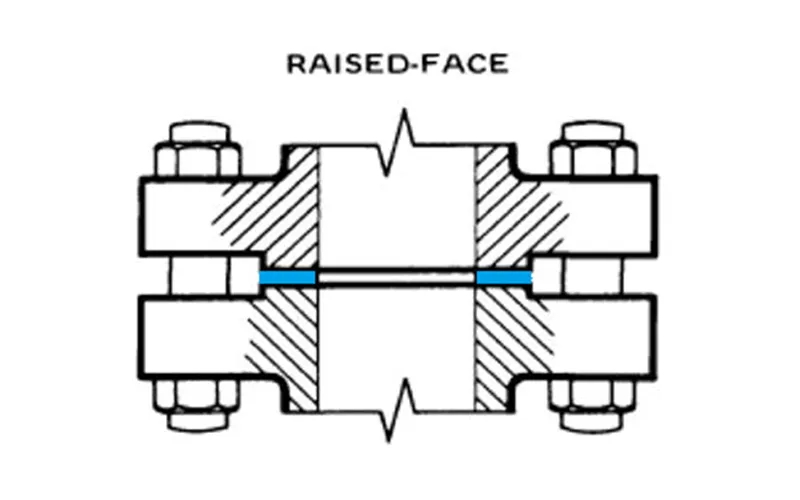
Based on Face Type
The face type of a Lap Joint Flange defines its sealing surface, ensuring optimal gasket selection and a reliable, leak-free connection for various piping systems.
Raised Face (RF) Lap Joint Flange
- Raised surface applies pressure to the gasket for improved sealing.
- 1/16" (1.6 mm) raised height for flanges up to 24"; 1/4" (6.4 mm) for larger flanges.
- Compatible with standard spiral wound or metal ring gaskets.
- Commonly used in chemical, power, and pipeline industries.
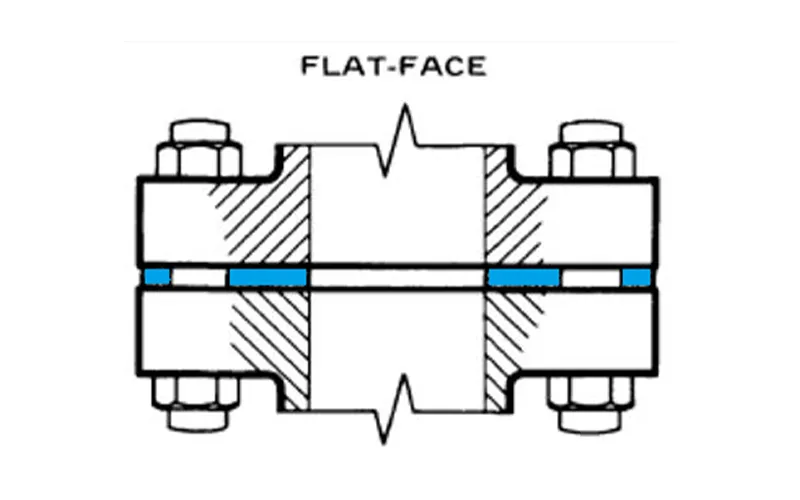
Flat Face (FF) Lap Joint Flange
- Flat sealing surface, gasket makes direct contact for a leak-free seal.
- Smooth or slightly rough surface; RF version offers better sealing.
- Ideal for systems with pressures up to 150 psi.
- Used in applications with cast iron, soft materials, etc.
What Customization Services Can We Offer?
Size Customization
- We can manufacture flanges in a wide range of sizes, from small diameters to large custom specifications, to fit specific piping systems.
Material Combination
- For cost optimization, we offer the option to combine different materials for the stub end and backing flange, such as carbon steel for the flange and stainless steel for the stub end, ensuring cost savings without compromising quality.
Surface Treatment
- We provide various surface treatments like galvanizing, coating, or polishing to enhance corrosion resistance and improve durability in harsh environments.
Pressure Class Customization
- We can produce Lap Joint Flanges in custom pressure classes, from ANSI 150 to 2500, to meet the needs of low to high-pressure systems.
Applications
Lap Joint Flanges offer easy disassembly, making them ideal for industries requiring frequent maintenance, cleaning, and flexibility in dynamic or corrosive environments.
Chemical Industry
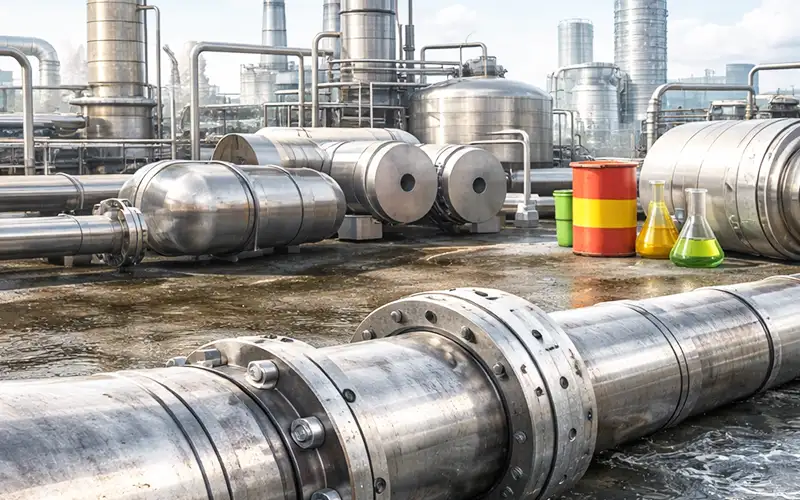
- Used in corrosive environments, Lap Joint Flanges allow easy maintenance and cleaning in chemical processing systems, ensuring safe and efficient operations.
Food Processing Industry
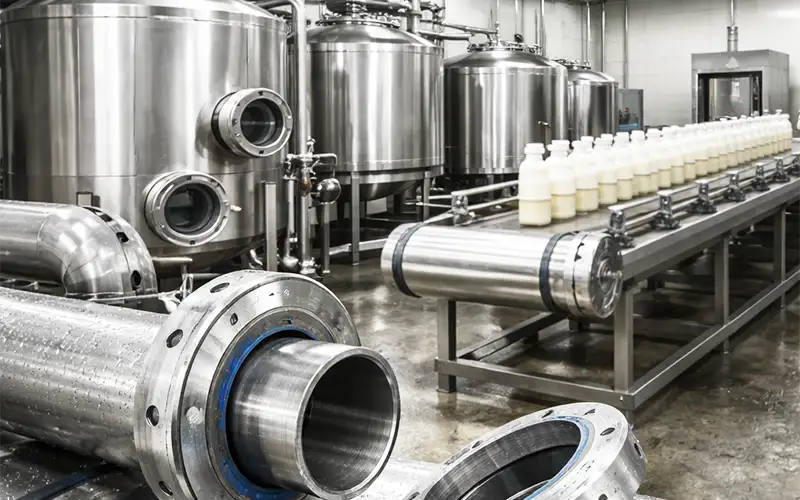
- Ideal for piping systems requiring frequent cleaning, Lap Joint Flanges offer easy disassembly, ensuring hygiene and compliance with food safety standards.
Pharmaceutical Industry
- Lap Joint Flanges facilitate easy disassembly and cleaning, crucial for maintaining sterile conditions in pharmaceutical piping systems, ensuring regulatory compliance.
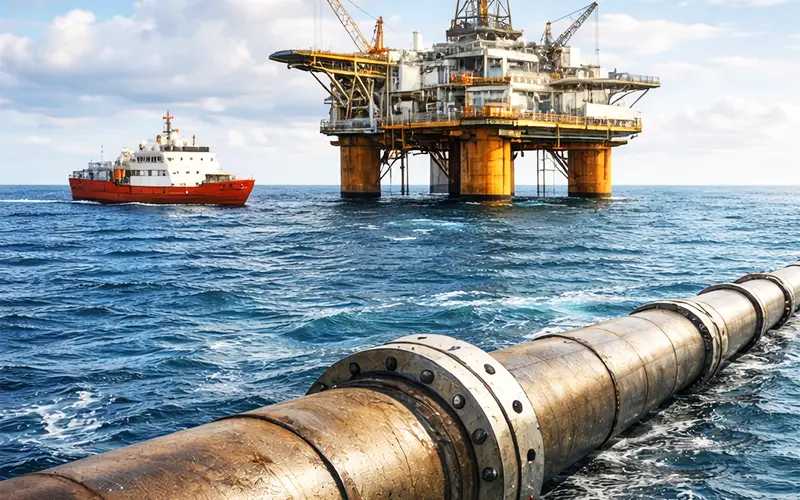
Marine and Offshore
- In shipbuilding and offshore systems, Lap Joint Flanges provide flexibility for maintenance, offering easy disassembly in dynamic and harsh environmental conditions.
Contact Us Now
FAQs
Can the backing flange and stub end be made of different materials?
Yes, combining different materials is a cost-effective choice. For instance, pairing a carbon steel backing flange with a stainless steel stub end offers better corrosion resistance while reducing costs.
Which types of faces are available for Lap Joint Flanges?
Lap Joint Flanges come in Raised Face (RF) or Flat Face (FF) designs, selected based on sealing needs and pressure class specifications.
What pressure ratings are available for a Lap Joint Flange?
Lap Joint Flanges can be manufactured in various pressure classes, typically ANSI 150, 300, 600, 900, 1500, and 2500 to meet different operational needs.
What is the typical temperature range for Lap Joint Flanges?
Lap Joint Flanges are typically suitable for temperatures between -50°F to 1200°F (-45°C to 650°C), depending on the material used.
What is the installation process for a Lap Joint Flange?
To install a Lap Joint Flange, weld the stub end to the pipe, then position and bolt the loose backing flange for alignment and a secure connection.
What advantages does a Lap Joint Flange offer?
Lap Joint Flanges offer easy alignment, flexibility in disassembly, and cost-saving potential by using different materials for the stub end and backing flange, making them a popular choice for maintenance-heavy systems.
How do you maintain Lap Joint Flanges?
Regular inspections should be conducted to ensure proper gasket compression and that there are no signs of corrosion or damage. It is also important to replace the gasket periodically to maintain a tight seal.