
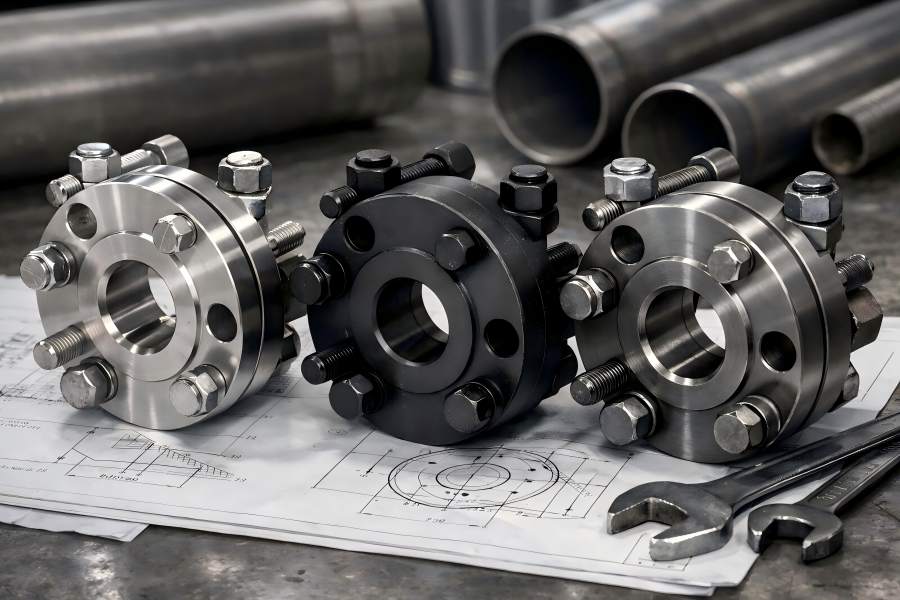
Orifice flanges are crucial components in flow measurement systems, providing a secure and reliable way to measure the flow rate of gases and liquids. The material selection for orifice flanges significantly affects their performance, longevity, and cost-effectiveness in different applications.
What is Orifice Flange?
An orifice flange is a specialized flange used in flow measurement applications. It typically consists of two flanges that sandwich a plate with a precisely drilled hole (the orifice plate). This plate measures the pressure differential as the fluid passes through it, allowing operators to calculate the flow rate. Orifice flanges are crucial in sectors like water treatment, electricity production, chemical processing, and oil & gas.
The material chosen for orifice flanges must meet specific mechanical properties, including strength, durability, and resistance to various environmental factors. The most common materials used in these applications include stainless steel, carbon steel, and alloy steel, each offering unique benefits depending on the requirements.
Key Materials Used in Orifice Flanges
Stainless Steel
A popular material with a reputation for strength and resistance to corrosion is stainless steel. It works well in settings where there is exposure to chemicals, moisture, or extremely high or low temperatures.
Carbon Steel
Strong and reasonably priced, carbon steel is a good material for a variety of uses. It is appreciated for its mechanical attributes and cost efficiency, though it is less resistant to corrosion than stainless steel.
Alloy Steel
Alloy steel is engineered for specific purposes, with compositions designed to provide superior strength, hardness, and resistance to heat or corrosion. It is used in demanding environments requiring high performance.
Stainless Steel for Orifice Flanges

Advantages:
Corrosion Resistance
Stainless steel is the best option for businesses that deal with strong chemicals or exposure to moisture because of its exceptional corrosion resistance. Even in the presence of hostile materials like acids or alkalis, this material does not readily rust or corrode.
Robustness and Durability
Because stainless steel has a high tensile strength, orifice flanges can withstand high pressures and harsh environments without losing its structural integrity. This makes it a reliable choice for high-performance applications.
High-Temperature Resistance
Because stainless steel can tolerate high temperatures, it can be used in sectors like petrochemicals and power generation, where excessive heat can be a problem.
Applications:
Stainless steel orifice flanges are commonly used in the chemical, food processing, pharmaceuticals, and petrochemical industries, where durability and resistance to corrosion are critical.
Limitations:
Cost
The main disadvantage of stainless steel is that it is more expensive than other materials like carbon steel. Although durability provides long-term value, the initial cost can be high.
Susceptibility to Pitting
Although stainless steel is corrosion-resistant, it can still be vulnerable to pitting corrosion in chloride-rich environments, which could undermine its long-term performance.
Carbon Steel for Orifice Flanges
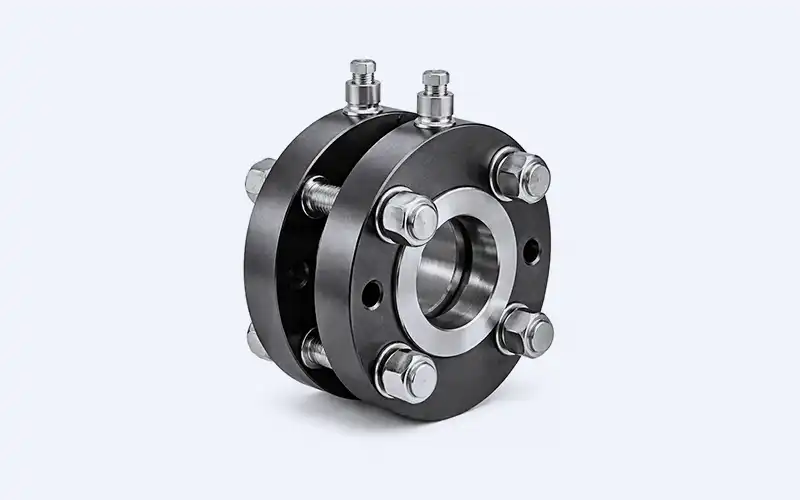
Advantages:
Cost-Effectiveness
Carbon steel is significantly more affordable than stainless steel, making it an attractive option for applications where cost is a major consideration. For many industries, carbon steel offers an excellent balance between performance and cost.
Strength and Mechanical Properties
Because of its exceptional strength, carbon steel can be used in applications that don’t require high temperatures or extremely corrosive conditions. It can tolerate high pressures and is capable of absorbing robust mechanical stress.
Applications:
Carbon steel is widely used in water treatment plants, HVAC systems, and low- to medium-pressure pipelines. It is also employed in environments where the risk of corrosion is minimal.
Limitations:
Corrosion Susceptibility
Carbon steel’s vulnerability to corrosion is its main disadvantage. Unlike stainless steel, carbon steel does not have inherent resistance to rust and corrosion, requiring regular maintenance, coating, or cathodic protection to prevent degradation.
Low Tolerance for High Temperatures
In extremely hot or cold environments, carbon steel does not function well. High temperatures can cause the material to weaken, leading to potential failure in high-temperature systems like power plants.
Alloy Steel for Orifice Flanges
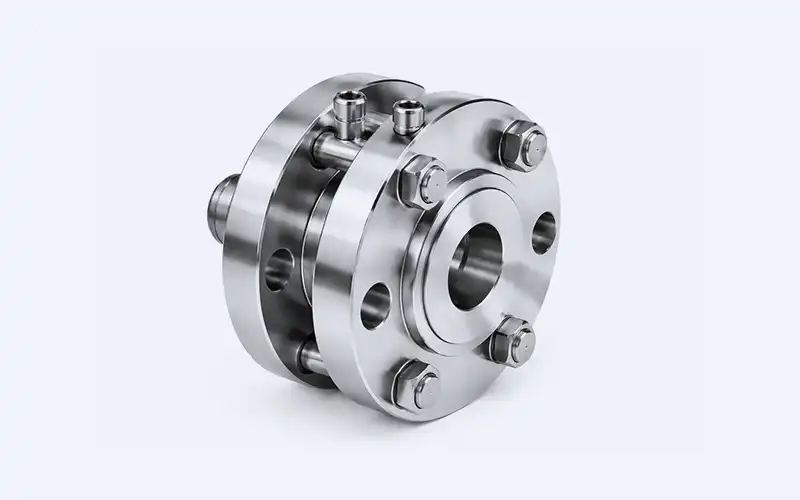
Advantages:
Customization for Specific Needs
Alloy steel can be tailored to meet specific requirements by adding various alloying elements such as chromium, molybdenum, or vanadium. These modifications improve the material’s strength, toughness, and resistance to heat, making it highly versatile.
Enhanced Strength and Resistance
Compared to carbon steel, alloy steel has better mechanical qualities, which makes it a great option for applications involving high temperatures or stress. The harshest industrial settings frequently employ it.
Applications:
Alloy steel is often used in high-pressure systems, high-temperature environments, and areas that require specialized mechanical properties. Alloy steel is frequently used for orifice flanges in industries like energy generation, automobile, and aerospace.
Limitations:
Higher Cost
Depending on the alloying elements used, alloy steel is typically more expensive than carbon steel and, in certain situations, even more expensive than stainless steel. The high cost can be prohibitive for some budget-conscious projects.
Complex Maintenance
Due to its custom nature, alloy steel may require more specialized maintenance and handling compared to simpler materials like carbon steel. Repairing or replacing alloy steel components can involve more time and expertise.
Comparing the Materials
Strength and Durability
| Material | Strength | Durability | Ideal Use Case |
| Stainless Steel | Very High | Excellent | High-performance, corrosion-resistant environments |
| Carbon Steel | High | Moderate | Cost-effective, general applications |
| Alloy Steel | Very High | High | High-pressure, high-temperature, demanding applications |
Stainless steel and alloy steel both offer excellent strength, but alloy steel can be customized for specific applications requiring even higher strength and resistance. Carbon steel is strong but doesn’t perform well in corrosive or extreme-temperature environments.
Corrosion Resistance
| Material | Corrosion Resistance | Best Use Case |
| Stainless Steel | Very High | Chemical processing, marine environments |
| Carbon Steel | Low to Moderate | Low-corrosion environments, budget applications |
| Alloy Steel | High | Harsh environments with added alloying elements |
Stainless steel excels in corrosion resistance, making it ideal for applications in harsh chemical environments. Alloy steel can also offer high resistance when properly alloyed, while carbon steel requires additional protection against corrosion.
Cost Analysis
| Material | Cost (per unit) | Long-Term Value |
| Stainless Steel | $5 – $10 per unit | High (long lifespan) |
| Carbon Steel | $2 – $4 per unit | Moderate (requires maintenance) |
| Alloy Steel | $6 – $12 per unit | High (specialized applications) |
Carbon steel is the most affordable material, but it requires more maintenance. Stainless steel, while expensive initially, offers durability that often justifies its cost. Alloy steel is specialized and may carry high upfront and maintenance costs, but is necessary for high-performance requirements.
Temperature and Pressure Handling
| Material | High-Temperature Performance | High-Pressure Handling |
| Stainless Steel | Excellent | Good |
| Carbon Steel | Moderate | Good |
| Alloy Steel | Excellent | Excellent |
Alloy steel is the best performer in both high-temperature and high-pressure conditions, followed closely by stainless steel. Carbon steel falls short in extreme conditions and requires specific treatments to function adequately.
Maintenance Requirements
| Material | Maintenance Frequency | Ease of Maintenance |
| Stainless Steel | Low | Easy (corrosion resistant) |
| Carbon Steel | High | Moderate (requires coating) |
| Alloy Steel | Moderate | High (requires specialized care) |
Stainless steel has the lowest maintenance needs, while carbon steel requires more frequent upkeep due to corrosion. Alloy steel, while highly durable, requires specialized maintenance practices.
Choosing the Right Material for Your Orifice Flange
The material choice for orifice flanges should be based on the specific requirements of your application, including pressure, temperature, corrosion resistance, and budget. Here are some recommendations:
Choose stainless steel if you need corrosion resistance, durability, and high-performance under various temperatures. It’s the ideal option for sectors including medicines, food manufacturing, and chemicals.
Opt for carbon steel if you’re working with a budget and the application does not involve extreme temperatures or corrosive conditions. It’s perfect for water treatment plants or low- to medium-pressure systems.
Go for alloy steel if your application involves high temperatures, high pressures or requires superior strength. It’s ideal for power plants, aerospace, and heavy industries that require specialized mechanical properties.