

When properly placed, they offer exceptional strength and leak resistance, and with the right upkeep and cleaning, they can last for many years without any problems. However, poor cleaning practices and neglect can lead to corrosion, joint failure, and costly downtime.
This article explores the fundamentals of socket weld flanges and provides a comprehensive guide on how to clean, inspect, and maintain them to ensure long-term reliability.
What Are Socket Weld Flanges?
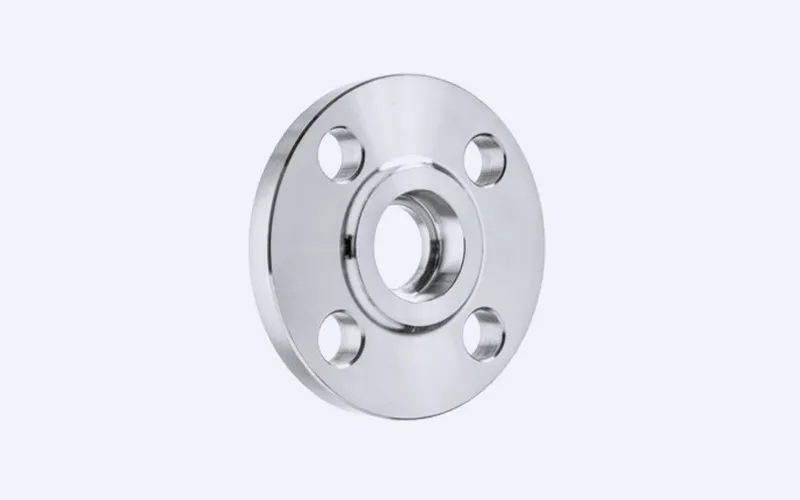
Socket weld flanges are a kind of flange connection in which a pipe is fillet-welded around the hub after being placed into a recessed area (socket) in the flange. Unlike slip-on or weld-neck flanges, socket-weld flanges provide a smooth bore transition and robust support, making them suitable for high-pressure, vibration-intensive applications.
Key characteristics:
- The pipe is welded around the flange socket after being inserted.
- Provides strong joint integrity with minimal turbulence.
- Ideal for small-diameter high-pressure lines (typically ≤ 4″).
- Frequently employed in vital systems where preventing leaks is crucial.
The Importance of Cleaning and Maintenance
Even the strongest flange connection can fail prematurely if dirt, corrosion, or contamination is allowed to accumulate. Maintaining and cleaning socket weld flanges properly helps avoid:
- Corrosion and pitting, especially in humid or chemical environments
- Leakage at the welds or flange faces
- Material degradation due to chemical attack
- Mechanical breakdown due to fatigue or stress corrosion cracking
- Reduced service life and increased replacement costs.
Additionally, routine cleaning enables inspection teams to identify wear or damage early on before they become failures.
Types of Contaminants and Their Effects
Understanding the common contaminants that affect socket weld flanges helps tailor effective cleaning strategies.
Rust and Oxidation
When exposed to moisture and oxygen, flange surfaces can oxidize, leading to rust deposits that weaken metal and encourage further corrosion.
Scale and Soot
In high-temperature systems, scale (mineral buildup) and soot (from combustion) can accumulate on flange faces and around welds.
Chemical Residues
Pipelines carrying aggressive chemicals may leave behind residues that degrade the flange material or gasket surfaces.
Dust and Debris
In dusty environments (e.g., outdoor plants, construction zones), airborne particulates can lodge in flange crevices and trap moisture.
Residual Welding Slag
During initial welding or reworks, leftover slag or spatter can cling to surfaces and accelerate corrosion if not removed.
Safety Precautions Before Cleaning
Before cleaning socket weld flanges, always prioritize safety. Improper cleaning can injure workers or damage equipment.
- Shut down the system and depressurize the lines
- Verify absence of hazardous fluids or gases
- Lockout/tagout (LOTO) procedures for valves and equipment
- Put on personal protective equipment (PPE), such as respirators if necessary, gloves, and eye protection.
- Ensure adequate ventilation in confined spaces
- Follow all company/site HSE protocols

Cleaning Procedures for Socket Weld Flanges
Proper cleaning involves both manual and chemical methods. The choice depends on contaminant type, flange material, and safety considerations.
Manual Cleaning
Tools Required
- Wire brushes (nylon or stainless steel to avoid scratching)
- Non-metallic scrapers
- Shop rags or lint-free cloths
- Soft brushes for tight corners
- Vacuum or compressed air for loose debris
Cleaning Steps
- Remove Loose Debris: Use a vacuum or compressed air to extract dust and loose particles.
- Scrub Surfaces: Gently brush the flange face and socket area. Avoid applying excessive force that can cause surfaces to deform or scratch.
- Inspect Weld Seams: Look for cracks, undercuts, or slag that may hide beneath surface contamination.
- Rinse and Wipe Down: Use clean, dry wipes to remove remaining dust.
When to use manual cleaning:
Light surface dirt, dust, welding spatter, or loose scale.
Chemical Cleaning
Chemical cleaners are necessary when deposits are stubborn or when rust/scale is present.
Types of Chemical Cleaners
- Rust removers (phosphoric acid-based)
- Degreasers for oily soils
- Scale dissolvers for mineral deposits
- Passivation solutions for stainless steel
Chemical Cleaning Steps
Select appropriate chemical for the contaminant and flange material (e.g., avoid chlorine-based acids on stainless steel).
- Apply the solution according to the manufacturer’s instructions.
- Allow dwell time to dissolve contaminants.
- To get rid of any chemical residue, thoroughly rinse with clean water.
- To avoid flash rusting, dry right away.
Safety Note: Always use chemical cleaners with the appropriate PPE in a location with good ventilation. Follow MSDS instructions.
Inspection: What to Look For
The maintenance process consists of more than just cleaning. After cleaning, perform a thorough inspection to assess flange condition.
Visual Inspection
Check for:
- Corrosion pits
- Weld cracks or fissures
- Deformation of flange faces
- Scratches or gouges on sealing surfaces
- Gasket seating condition
Dimensional Checks
Verify:
- Flatness of flange faces
- Alignment of mating surfaces
- Socket bore integrity
Tools like calipers, straight edges, and feeler gauges are useful here.
NDT Methods
When applicable, employ non-destructive testing:
- Testing with a dye penetrant (for surface fractures)
- Ultrasonic examination (for internal flaws)
- Magnetic particle inspection (in ferrous materials)
Maintenance Practices for Long-Term Reliability
Routine cleaning and inspection should be part of a broader maintenance program.
Scheduled Cleaning Cycles
Establish cleaning intervals based on:
Operating environment (harsh vs. controlled)
- Process media (corrosive vs. inert)
- Temperature and pressure cycles
- Historical contamination levels
Example schedule:
| Environment | Cleaning Frequency |
| High Corrosion | Monthly |
| Moderate Process Lines | Quarterly |
| Clean Services | Bi-Annually |
| Outdoor Exposure | Quarterly to Semi-Annual |
Protective Coatings and Treatments
To minimize corrosion:
- Apply corrosion-resistant coatings (paint, epoxy)
- Use surface passivation for stainless steel
- Protect flange faces from exposure during shutdowns
- These treatments reduce oxidation and improve overall lifespan.
Gasket and Bolting Maintenance
Proper flange performance also depends on other components:
- Make sure that the gasket material is appropriate for the process media.
- Torque bolts uniformly to specified values
- Inspect the bolt condition and replace it if corroded
- Retorque after initial heat cycles if required by design
Regular torque checks help maintain a tight, leak-free joint.
Environmental Controls
Where possible, control the environment around the flanges:
- Install insulation to reduce condensation
- Use desiccants in confined spaces
- Maintain drainage to prevent water pooling
Environmental control slows corrosion and mitigates contaminant buildup.
Special Considerations by Material Type
Different flange materials require specific attention.
Flanges made of carbon steel
- More likely to rust.
- Clean frequently in humid or wet environments.
- Use rust inhibitors after cleaning.
Stainless Steel Flanges
- Less prone to general corrosion but susceptible to chloride stress corrosion cracking.
- Avoid harsh chlorinated cleaners.
- Use passivation solutions to restore protective oxide layers.
Alloy and Exotic Materials
- Consult manufacturer recommendations.
- Some alloys require specific solvents or cleaners.
- Avoid abrasive tools that can damage specialized surfaces.
Common Mistakes to Avoid
Even experienced technicians can make errors. Avoid the following:
- Using steel wire brushes on stainless steel (leads to contamination)
- Leaving chemical residue on flanges
- Ignoring weld seam inspections
- Over-torquing bolts after cleaning
- Skipping cleaning because the flange looks “clean enough.”
10. Documenting Cleaning and Maintenance
Good documentation ensures repeatability and traceability.
Include the following in each record:
- Date and time of cleaning
- Person who performed the work
- Equipment ID and location
- Photos before and after cleaning
- Notes on contaminants found
- Inspection results
- Corrective actions taken
- Next scheduled maintenance
Documentation helps teams track trends and plan proactive maintenance.
Case Study: Flange Failure Due to Poor Cleaning (Hypothetical)
At a chemical processing plant, a socket weld flange experienced a slow leak after only two years in service. Investigation showed:
- Heavy rust buildup on flange faces
- Corrosion trapped in crevices
- No scheduled cleaning or protective coating
- Inadequate inspection during shutdowns
Root cause: moisture ingress and lack of maintenance.
Solution implemented:
- Quarterly cleaning cycle
- Rust inhibitors applied
- Bolt torque chart established
- Records documented digitally
After changes, similar leaks were prevented in subsequent years, demonstrating the power of proper flange care.
Socket weld flanges are a reliable, high-integrity connection type when properly maintained. By establishing regular cleaning protocols, performing detailed inspections, and maintaining supporting components, facilities can drastically extend flange service life while reducing downtime and preventing costly failures.
Key takeaways:
- Clean flanges using appropriate manual and chemical methods
- Inspect thoroughly after cleaning
- Maintain gaskets and bolts with proper torque
- Protect surfaces with coatings and environmental controls
- Document all maintenance activities
By investing in cleaning and maintenance practices, organizations protect their assets, uphold safety standards, and ensure long-term reliability of socket weld flange connections.