
Sustainability is a key principle in modern industry, influencing equipment design, manufacturing, installation, and disposal. Socket weld flanges, used in high-pressure systems across sectors like power, chemical processing, and oil & gas, are crucial for structural integrity but often have an overlooked environmental footprint. This article explores their impact, identifies areas for improvement, and outlines best practices for reducing ecological harm while maintaining system reliability.
What Are Socket Weld Flanges?
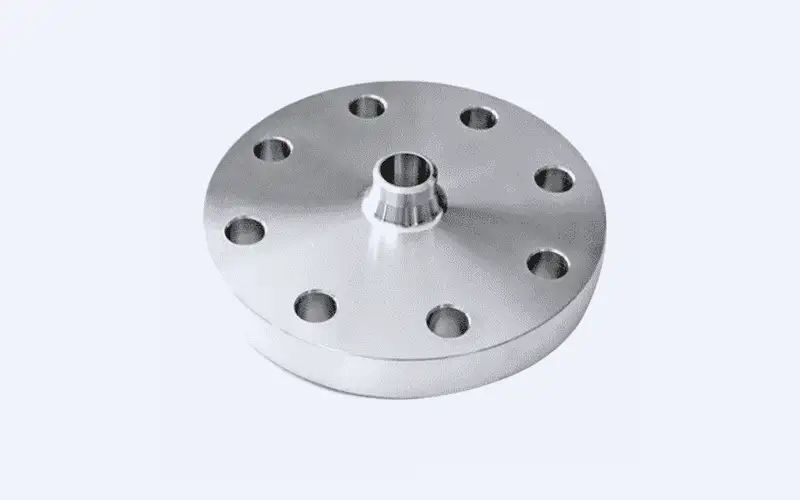
Socket weld flanges are a kind of flange connection in which the pipe is welded around its perimeter after being put into a recessed “socket.” Unlike weld-neck or slip-on flanges, socket weld flanges:
- Are typically used for small-diameter, high-pressure lines
- Provide a smooth internal bore with minimal turbulence
- Are less expensive to install in certain scenarios
- Benefit systems where leaks and structural integrity are key concerns
While traditionally chosen for performance and cost, environmental considerations — including material use, emissions, energy consumption, waste generation, and lifecycle impacts — are increasingly influencing decisions around flange selection and maintenance.
Understanding the Environmental Footprint of Socket Weld Flanges
The environmental impact of socket weld flanges spans several lifecycle phases:
Material Extraction and Production
Flanges are typically made from:
- Carbon steel
- Stainless steel
- Alloy steels
Producing these materials requires the extraction of iron ore, extensive energy input, and associated greenhouse gas (GHG) emissions. One of the world’s most energy-intensive industrial processes, the production of steel has a major impact on water use, carbon emissions, and landscape disturbance.
Manufacturing and Fabrication
Once raw steel is produced, flanges are fabricated through:
- Forging
- Machining
- Heat treatment
- Surface finishing
These processes consume energy and water, and generate waste streams such as:
- Metal chips and scrap
- Cutting fluids
- Chemical residues
- Packaging materials
Installation and Operation
Socket weld flange installation involves welding, which has associated environmental impacts:
- Fuel and electricity consumption
- Emissions from welding fumes and gases
- VOCs from coatings or cleaning agents
During operation, poorly installed or maintained flanges can leak harmful process fluids into the environment, generating contamination risks and cleanup costs.
Maintenance and End Of Life
Improper waste management at the end of service life — such as landfilling metal parts or using environmentally toxic solvents for cleaning — can worsen environmental outcomes. Conversely, recycling or refurbishing components reduces waste and municipal burdens.
Key Environmental Risks to Address
Understanding specific environmental risks helps frame sustainable strategies:
Resource Depletion and Raw Material Use
Steels require mining and extraction, which:
- Disturb ecosystems
- Consume large amounts of energy
- Deplete finite natural resources
Air Emissions
Manufacturing and welding can emit:
- CO₂ and other GHGs
- Particulate matter
- Welding fumes containing metals
Water Pollution
Water used in cooling, cleaning, and machining can become polluted with oils, metals, and chemicals. If discharged improperly, it contributes to water quality degradation.
Hazardous Waste
Cutting fluids, coatings, rust inhibitors, and solvents can contain hazardous constituents that challenge disposal and treatment, leading to soil and water contamination if mishandled.
Leaks and Process Fluid Release
When flanges are not properly installed or maintained, the consequences may include:
- Toxic chemical leaks
- Fuel or hydrocarbon releases
- Environmental remediation efforts
Principles of Sustainable Socket Weld Flange Practices
Achieving sustainability isn’t about a single action — it’s about integrating environmental thinking into every step of a flange’s lifecycle:
- Reduce resource use and waste
- Reuse/Repurpose wherever possible
- Recycle at the end of life
- Replace hazardous substances with safer alternatives
- Recover energy and materials
Best Practices for Sustainable Production and Procurement
Source Responsibly
When procuring socket weld flanges:
- Choose suppliers with environmental certifications (e.g., ISO 14001)
- Ask for material traceability and certifications like REACH or RoHS
- Favor steel produced with lower carbon intensity and recycled content
Optimize Material Use
Work with engineers and fabricators to:
- Avoid over-specifying flange thickness and size
- Use optimized designs that reduce waste
- Select materials with long service life to minimize replacements
Reduce Process Waste
Manufacturers can adopt:
- CNC machining with coolant recycling
- Closed-loop water treatment systems
- Improved scrap segregation for metal recycling
Monitor and Report Environmental Metrics
Set KPIs for:
- Energy use
- Water consumption
- Waste generation and recycling rates
- Emission reductions
Regular reporting encourages accountability and continuous improvement.
Sustainable Installation and Welding Practices
Installation and welding also offer opportunities to reduce environmental impact without compromising safety or performance.
Use Low-Emission Welding Techniques
Modern welding methods like TIG (GTAW) or laser welding can:
- Produce cleaner, more precise joints
- Lower fume generation
- Improve material utilization
Minimize Solvent and Chemical Use
Where cleaning is required:
- Employ biodegradable or low-toxicity cleaners
- Avoid chlorinated solvents and heavy metals
- Use microfiber pads and dry cleaning methods when possible
Energy-Efficient Field Practices
- Use energy-efficient welding machines
- Minimize idle run times
- Combine jobs to reduce setup energy
Maintenance Best Practices for Environmental Stewardship
Maintenance isn’t just about preventing leaks — it’s a key sustainability lever.
Implement Preventive Maintenance (PM) Programs
Scheduled inspections and cleaning help:
- Detect corrosion early
- Prevent fluid or gas leaks
- Reduce reliance on emergency repairs (which often have higher environmental costs)
Use Eco-Friendly Cleaning Methods
Avoid harsh chemicals that contribute to wastewater contamination. Instead:
- Use mechanical cleaning where possible
- Where chemicals are needed, choose products with low VOCs and no heavy metals
- Capture rinse water for filtration and reuse
Proper Waste Handling
Classify waste streams and manage them accordingly:
- Recycle metal chips and used flanges
- Treat contaminated water before discharge
- Dispose of hazardous waste through licensed facilities
End-of-Life Strategies: Recycling, Repurposing, and Remanufacturing
At the end of service life, socket-weld flanges shouldn’t be treated as waste.
Metal Recycling
Flanges made of steel or stainless steel are highly recyclable. Recycling steel:
- Reduces the amount of energy needed for primary production by up to 74%.
- Lowers emissions of greenhouse gases
- Reduces rubbish that is landfilled
Repurpose in Less Demanding Applications
Even if a flange no longer meets pressure or safety specs, it may serve in:
- Non-critical structural uses
- Fabrication training
- Prototype builds
Remanufacturing
In some cases, flanges can be:
- Re-machined to specification
- Inspected and certified for reuse
- Coated and cleaned for a second life
This extends service life and avoids raw material consumption.
Regulatory and Compliance Considerations
Sustainability is often reinforced by regulations:
- Clean Air Act (CAA) controls emissions from industrial processes
- Clean Water Act (CWA) governs the discharge of pollutants into water
- Resource Conservation and Recovery Act (RCRA) regulates hazardous waste
- International standards like ISO 14001 encourage environmental management systems
Compliance ensures environmental risk is minimized and helps organizations avoid fines, shutdowns, and reputational harm.
Case Examples: Sustainability in Action
Case 1: Oil & Gas Facility Reduces Emissions
A midstream oil operator implemented:
- High-efficiency welding machines
- Recycled steel flanges with 30% recycled content
- A cleaning program that replaced solvent use with mechanical methods
Results:
- 20% reduction in welding fume emissions
- 15% decrease in flange procurement energy footprint
- Improved worker health outcomes
Case 2: Chemical Plant Improves Wastewater Quality
A chemical processing facility partnered with environmental engineers to:
- Install closed-loop cleaning water systems
- Use eco-friendly cleaners
- Implement chemical recapture and reuse
Results:
- 40% reduction in wastewater contaminant load
- Compliance with stricter municipal discharge limits
- Reduced freshwater use
Future Trends in Sustainable Piping and Flanges
Sustainability within pipe system components is evolving through:
- Advanced materials like high-performance alloys with lower environmental impact
- Digital twin technologies that optimize maintenance and reduce waste
- Additive manufacturing to produce custom parts with minimal scrap
- Lifecycle assessment (LCA) tools to quantify environmental impact from cradle to grave
These trends will push organizations to adopt more sustainable components and practices.
Practical Checklist for Sustainable Flange Management
Before Procurement
- Choose certified, low-impact materials
- Specify recycled content where appropriate
- Assess supplier sustainability credentials
During Manufacturing
- Recycle metal scrap
- Use energy-efficient machines
- Treat and reuse water
At Installation
- Use low-emission welding techniques
- Minimize chemical cleaners
- Capture and filter waste fluids
During Operation
- Conduct preventive maintenance
- Inspect for leaks and corrosion
- Use eco-friendly cleaning agents
End of Life
- Recycle flanges
- Repurpose where possible
- Remanufacture components
Socket weld flanges may seem like a small piece in a large industrial puzzle, but their environmental footprint — from raw material extraction through end of life — can be significant. By adopting sustainable production, installation, maintenance, and recycling practices, industries can:
- Reduce greenhouse gas emissions
- Lower energy and water consumption
- Minimize waste
- Protect ecosystems
- Improve regulatory compliance
- Enhance corporate reputation
Sustainability in flange management isn’t just environmentally responsible — it’s operationally and economically sensible. The best practices listed here offer practical solutions for a more efficient and environmentally friendly industrial future.