
Swivel flanges, often overlooked in piping and fluid control systems, are essential components that play a crucial role in ensuring flexibility, alignment, and longevity in various industrial applications. Whether you are involved in the oil and gas, chemical, or water treatment industries, the question remains: Is it worth investing in high-quality swivel flanges?
What Are Swivel Flanges?
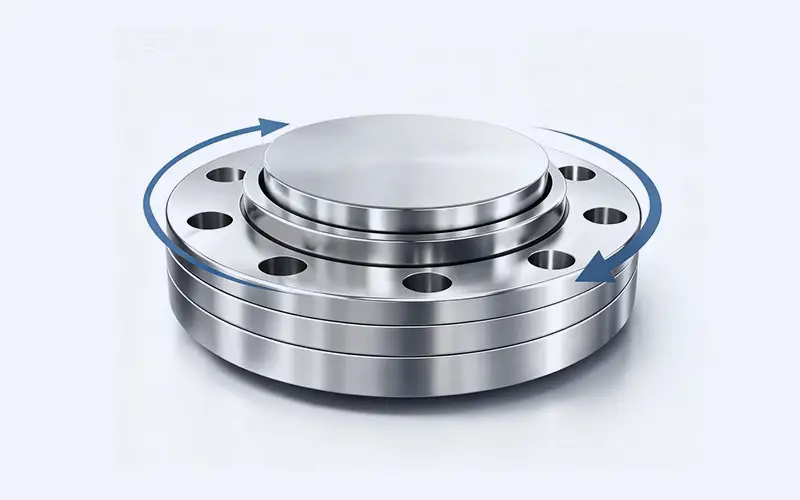
Swivel flanges are designed to allow flexibility in a piping system by enabling the flange to rotate independently of the pipe itself. This rotation allows easier alignment and minimizes mechanical stresses during installation. These flanges are used in applications where alignment flexibility is needed, such as in tight or difficult-to-reach locations or when pipes experience slight misalignments during operation.
While swivel flanges offer numerous operational benefits, they come in various quality levels that influence both their cost and performance. Determining the appropriate investment for your project requires an understanding of these distinctions.
Understanding the Cost Components of Swivel Flanges
Before diving into performance, it’s essential to grasp the various factors that influence the cost of swivel flanges.
Material Quality
The material used in manufacturing swivel flanges significantly impacts their price. Common materials include:
- Carbon Steel: The most economical option, used in less corrosive environments.
- Stainless steel is more expensive but provides greater strength and resistance to corrosion.
- Alloy Steel & Exotic Alloys: These materials, such as Inconel and Hastelloy, offer superior performance in high-temperature or aggressive chemical environments but come with a premium price tag.
Design & Manufacturing Complexity
The manufacturing process of swivel flanges is complex, especially when they are designed for high-pressure, high-temperature, or highly corrosive environments. Customization and the need for specialized tools (such as CNC machines) also add to the cost.
| Material Type | Approximate Cost | Application | Corrosion Resistance | Durability |
| Carbon Steel | Low | General use | Low | Moderate |
| Stainless Steel 304 | Medium | Mild corrosive environments | Medium | High |
| Stainless Steel 316 | High | Marine, chemical processing | High | Very High |
| Alloy Steel (Inconel, Hastelloy) | Very High | Extreme conditions | Very High | Very High |
Size and Pressure Rating
Larger sizes and higher pressure ratings directly increase costs. The higher the pressure class (ANSI 150, ANSI 300, ANSI 600, etc.), the more robust and expensive the flange will be due to the thicker material required for safety.
The Performance Aspects of Swivel Flanges
When evaluating the performance of swivel flanges, it is important to consider several key characteristics that directly affect their functionality.
Flexibility and Misalignment Compensation
One of the primary functions of swivel flanges is their ability to compensate for misalignment in piping systems. High-quality swivel flanges provide excellent rotation, even under high pressure and temperatures, ensuring seamless alignment without overloading the system. This flexibility is especially crucial in systems that experience thermal expansion or slight shifts due to external factors.
High-Performance Flanges: Higher-quality materials and precise engineering ensure the flange’s swivel motion remains smooth and reliable, even in demanding conditions.
Corrosion Resistance and Longevity
The material used in manufacturing the swivel flange dictates its ability to resist corrosion. For instance, stainless steel flanges are more resistant to corrosion than carbon steel, particularly in harsh environments such as offshore oil rigs or chemical plants where exposure to water, gases, and chemicals is common.
Comparing Corrosion Resistance
| Material Type | Corrosion Resistance | Typical Applications | Lifespan (under standard conditions) |
| Carbon Steel | Low | Water, air | 5-10 years |
| Stainless Steel 304 | Medium | Mild chemicals, mild corrosion environments | 10-15 years |
| Stainless Steel 316 | High | Seawater, chemical plants | 15-20 years |
| Alloy Steel | Very High | High temperatures, harsh chemicals | 20+ years |
The longevity of a high-quality flange is directly proportional to the cost, but it can result in fewer replacements, reduced maintenance costs, and improved reliability in the long run.
Ratings for Temperature and Pressure
Swivel flanges are made to withstand particular temperature and pressure ranges. The higher the quality of the flange, the more it can withstand extreme conditions without compromising performance.
For instance, an ANSI 150 flange may be sufficient for low-pressure systems, but ANSI 600 flanges are necessary for high-pressure systems, which means the material and construction must be top-notch to avoid failure.
| Pressure Rating | Temperature Rating | Cost Range | Typical Use Case |
| ANSI 150 | -29°C to 121°C | Low | Standard industrial piping |
| ANSI 300 | -29°C to 260°C | Medium | Medium-pressure systems |
| ANSI 600 | -29°C to 425°C | High | Oil & gas, critical systems |
Cost vs. Performance: Is High-Quality Worth It?
Investing in High-Quality Flanges: What Are the Benefits?
While high-quality swivel flanges come with a higher initial investment, they can significantly enhance the performance and longevity of a system. Here are some of the key advantages:
- Reduced Maintenance Costs: High-quality materials, such as stainless steel or alloys, resist corrosion and wear, which means fewer replacements and repairs.
- Improved Operational Efficiency: With better alignment and fewer failures, systems with high-quality swivel flanges run more smoothly and efficiently, minimizing downtime.
- Extended Equipment Life: High-grade materials, especially in harsh environments, prevent premature wear and tear, which extends the life of both the flanges and the entire piping system.
Case Study: Offshore Oil Rig
An offshore oil rig operating in the North Sea upgraded its piping system to include high-quality swivel flanges made from duplex stainless steel. Although the initial cost was 30% higher than their previous carbon steel flanges, they experienced:
- Zero flange failures during the 10-year period.
- Maintenance costs were reduced by 40%, primarily due to the flange’s corrosion resistance.
- Operational uptime increased by 15%, as repairs were less frequent.
This example highlights that the higher upfront cost paid off in the long run with improved reliability and reduced operational downtime.
Evaluating the ROI of Swivel Flanges
When deciding whether the investment in high-quality swivel flanges is worth it, consider the following:
- Total Cost of Ownership (TCO): This includes the initial cost of the flange, installation, maintenance, and replacement costs over its lifetime.
- Operational Downtime: High-quality flanges reduce the frequency of failures and the need for maintenance, which translates to fewer interruptions and higher productivity.
- Energy Efficiency: In rotating systems, smooth rotation and accurate alignment help to lower friction and energy consumption.
TCO Comparison of Low-Quality vs High-Quality Flanges
| Flange Quality | Initial Cost | Maintenance Costs | Operational Downtime | Total Cost of Ownership (10 years) |
| Low Quality (Carbon Steel) | Low | High | High | $20,000 |
| Medium Quality (Stainless Steel) | Medium | Medium | Medium | $25,000 |
| High Quality (Alloy Steel) | High | Low | Low | $30,000 |
As the table demonstrates, while high-quality flanges come at a higher initial cost, the reduced maintenance and operational downtime offer a better TCO over time.
Balancing Cost and Performance
When considering whether to invest in high-quality swivel flanges, it’s clear that the upfront investment may seem higher. However, the long-term benefits—including improved reliability, reduced downtime, and extended service life—often justify the initial cost. For industries where downtime can result in significant operational or financial loss, the decision to opt for premium swivel flanges is almost always worth it.
Choosing the right material, pressure rating, and design for your specific needs is essential. Evaluating your system’s operational demands and understanding the true cost of ownership are essential steps in making the right investment decision.