
Blind flanges seal pipe ends, valves, or vessels in industries like oil, chemical, water, and power. Improper installation risks leaks, inefficiency, and system failure.
What Are Blind Flanges?
A blind flange is a solid disc that completely seals a pipe end, preventing flow for maintenance, expansion, or testing. Blind flanges come in several connection types, such as:
- Welded Blind Flanges: Connected via welding (butt weld or fillet weld), suitable for high-pressure, high-temperature applications.
- Threaded Blind Flanges: Screwed onto the pipe, suitable for small-diameter, low-pressure systems, or environments where welding is impractical.
Correct installation ensures leak prevention, maintains pressure stability, and prolongs the piping system’s lifespan.
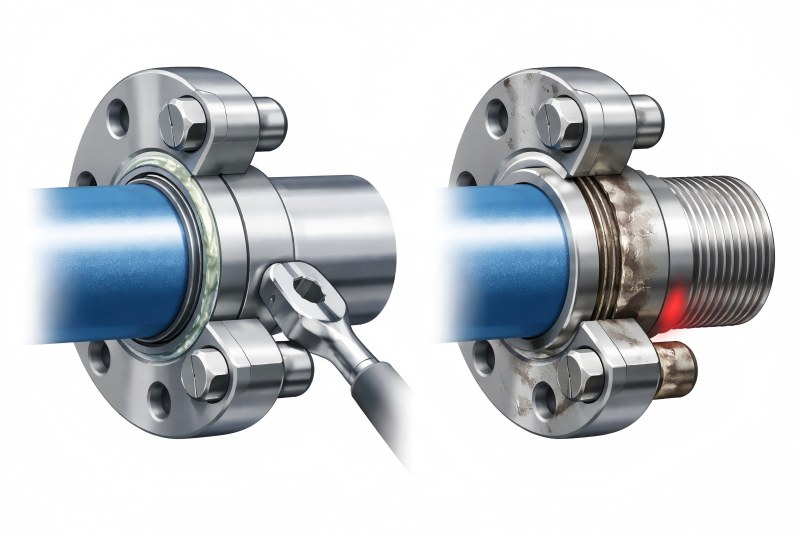
Common Mistakes During Blind Flange Installation
Improper Bolt Tightening
Description: Bolt tightening is crucial for achieving uniform gasket compression and sealing. Inconsistent bolt tightening can result in gasket rupture, leaks, or flange distortion.
Typical Errors:
- Over-tightening bolts in one area while leaving others loose.
- Ignoring the recommended torque sequence (usually a cross or star pattern).
- Failing to verify bolt tension following system startup or temperature fluctuations.
How to Avoid:
- Employ a torque wrench to ensure even and accurate bolt tension.
- Apply bolt tightening in several stages, following a crosswise pattern.
- Verify and adjust bolt torque after the system starts or after thermal changes
Using Incorrect Gaskets
Description: Blind flanges rely on gaskets to form a tight seal. Using the wrong type or size compromises sealing performance.
Common Mistakes:
- Selecting gaskets that do not match the pressure rating of the system.
- Using compressed or damaged gaskets.
- Failing to ensure gasket compatibility with chemical or temperature conditions.
How to Avoid:
- Verify pressure class, material, and dimensions before installation.
- Inspect gaskets for damage before assembly.
- Use high-quality gaskets approved for the specific fluid and operating conditions.
Misalignment of Flanges
Description: Improper alignment can result in stress concentrations, flange bending, and uneven gasket compression.
Common Errors:
- Flanges not aligned with the pipe axis.
- Neglecting parallelism between flanges.
- Relying solely on manual positioning without guidance tools
How to Avoid:
- Use alignment tools or fixtures during installation.
- Check flange parallelism with precision measuring instruments.
- Ensure pipe and flange faces are clean and smooth.
Contaminated or Damaged Flange Faces
Description: Dirt, debris, or scratches on flange faces reduce sealing efficiency and may cause leaks.
Common Issues:
- Flange faces contaminated with oil, dust, or paint.
- Metal flange surfaces may be marred by scratches or dents.
- Damage can occur from incorrect handling, transport, or storage practices.
How to Avoid:
- Clean flange faces thoroughly before installation.
- Inspect for surface imperfections and repair or replace if needed.
- Handle flanges using proper lifting equipment to prevent damage.
Incorrect Flange Selection
Description: Choosing the wrong blind flange type, material, or pressure rating can cause system failures.
Mistakes Include:
- Using threaded blind flanges in high-pressure applications.
- Selecting flanges with insufficient material strength or thickness.
- Ignoring temperature and chemical compatibility.
How to Avoid:
- Follow ASME B16.5 or API standards for material, size, and pressure rating.
- Consult system design documents and engineers for proper flange selection.
- Consider long-term operating conditions and possible thermal or vibration stresses.
Improper Lubrication of Bolts
Description: Bolts without lubrication can produce inconsistent torque and uneven flange pressure.
Mistakes:
- Tightening dry bolts on stainless steel or coated flanges.
- Using incompatible lubricants that react with the gasket material or pipe fluid.
How to Avoid:
- Lightly coat bolt threads with anti-seize or suitable lubricant.
- Confirm lubricant compatibility with fluid and operating temperature.
Ignoring Thermal Expansion Effects
Description: Blind flanges in high-temperature systems may expand or contract, leading to stresses, leaks, or gasket deformation.
Mistakes:
- Installing flanges without considering expansion allowances.
- Using rigid bolts without compensation for thermal growth.
How to Avoid:
- Use flexible joint designs or expansion joints.
- Monitor torque settings during initial thermal cycles.
- Select gaskets capable of maintaining elasticity under temperature changes.
Inadequate Inspection and Testing
Description: Flanges installed without proper inspection can harbor defects, misalignment, or poor sealing.
Mistakes:
- Skipping hydrostatic or pneumatic testing after installation.
- Neglecting to inspect welded joints using NDT methods.
- Relying only on visual inspection.
How to Avoid:
- Conduct pressure testing following industry standards.
- Use NDT techniques such as dye penetrant, ultrasonic, or radiographic inspection.
- Document and verify installation quality.
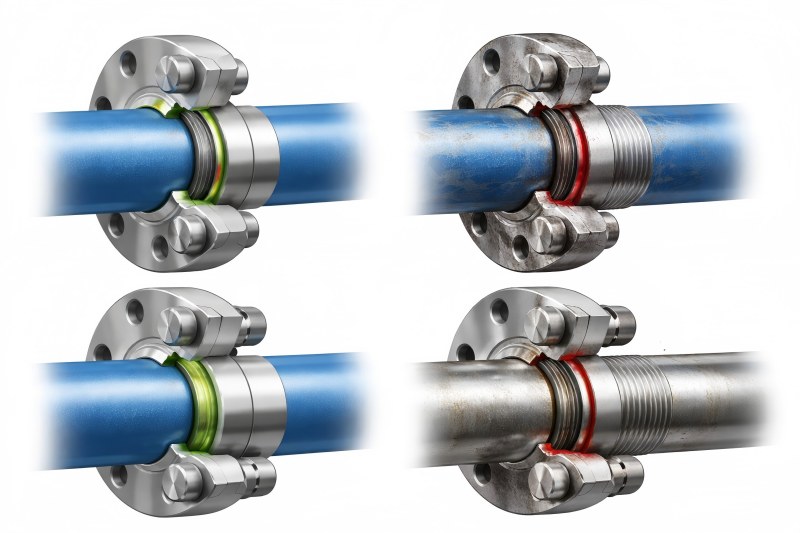
Common Mistakes Summary Table
| Mistake | Impact on System | How to Avoid |
| Uneven bolt tightening | Leaks, flange warping | Follow torque sequence, use torque wrench |
| Wrong gasket selection | Seal failure, leaks | Verify pressure class, material, dimensions |
| Misaligned flanges | Stress concentration, flange bending | Use alignment tools, ensure parallelism |
| Contaminated/damaged faces | Leaks, gasket damage | Clean faces, inspect, handle properly |
| Wrong flange type/material | System failure, unsafe operation | Follow standards, consult engineers |
| Dry or incompatible bolts | Uneven torque, joint failure | Apply proper lubricant |
| Ignoring thermal expansion | Stresses, gasket deformation | Use expansion allowances, flexible joints |
| Skipping inspection/testing | Defects, undetected leaks | Conduct hydrostatic/pneumatic testing, NDT |
Best Practices for Installing Blind Flanges
- Follow Standards: Adhere to ASME, API, or ISO standards for dimensions, pressure classes, and material selection.
- Use Proper Tools: Torque wrenches, alignment guides, lifting equipment, and inspection instruments improve installation quality.
- Train Personnel: Proper training on torqueing, gasket handling, and welding techniques reduces human errors.
- Document Procedures: Maintain installation records for future maintenance and compliance verification.
- Inspect Before and After: Verify flange face integrity, gasket placement, bolt torque, and alignment before system operation.
Installing blind flanges may seem straightforward, but common mistakes can compromise system safety, efficiency, and longevity. Improper bolt tightening, gasket errors, misalignment, surface damage, incorrect flange selection, and lack of inspection are frequent pitfalls. By understanding these challenges and following industry best practices, engineers and technicians can achieve leak-free, durable, and reliable connections.