
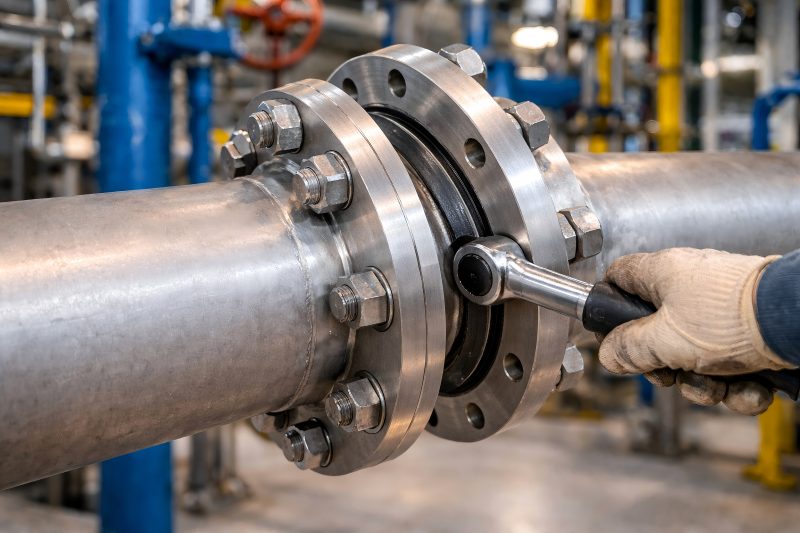
Swivel flanges play a critical role in piping systems by providing flexibility and allowing for angular adjustment. However, while they offer substantial benefits in terms of movement, alignment, and ease of installation, several challenges can arise when using them.
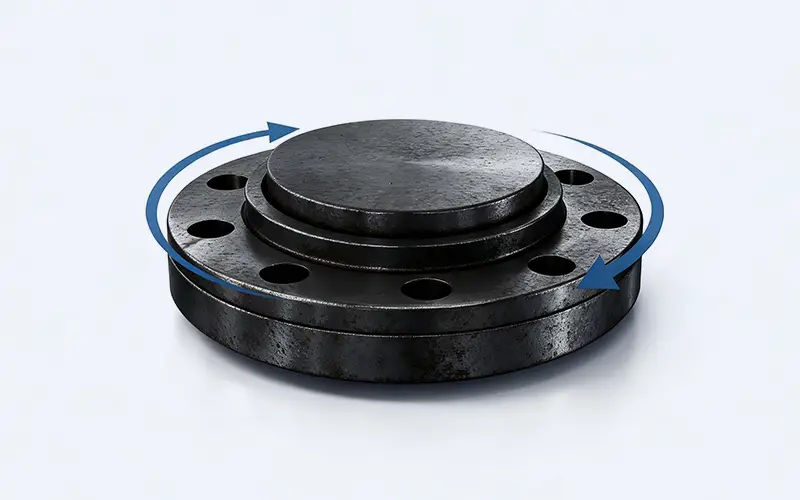
Understanding Swivel Flanges: Key Benefits and Functionality
Swivel flanges are primarily used in systems where pipes need to be connected at varying angles. They provide flexibility in situations where rigid connections are not possible due to thermal expansion, misalignment, or vibration. They are made up of a rotating flange, a sealing surface, and fasteners that allow for angular movement between pipe sections.
Primary Functions:
- Misalignment Compensation: They allow for movement and flexibility when pipes are not perfectly aligned.
- Simplified Installation: By providing an adjustable connection, they make assembly easier and faster.
- Accommodating Thermal Expansion: They handle temperature-induced expansion and contraction, preventing strain on the piping system.
Despite these advantages, improper installation, poor maintenance, and extreme operating conditions can lead to several issues.
Common Challenges in Using Swivel Flanges
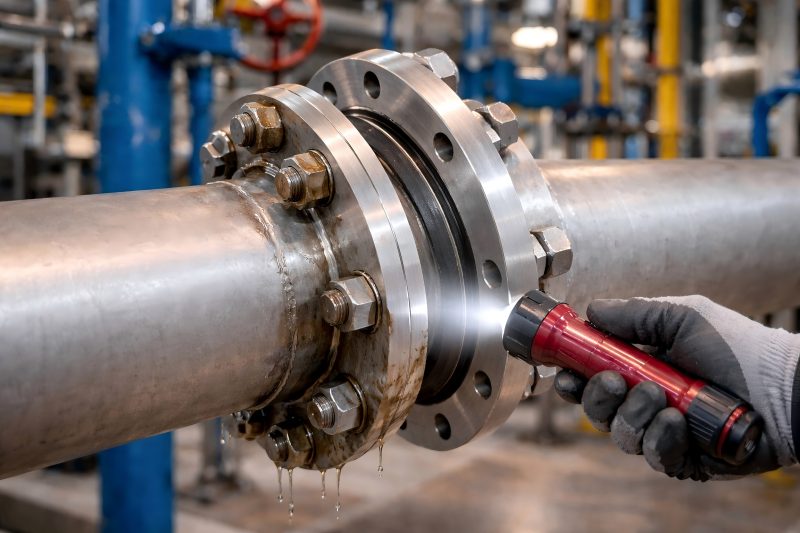
Leakage Issues
Leakage at swivel flanges is one of the most common problems encountered. This is often caused by poor sealing, improper bolt tightening, or the use of unsuitable gaskets.
Symptoms of Leakage:
- Visible fluid around the flange joint.
- Decreased pressure in the pipeline.
- Audible hissing or bubbling sounds.
Root Causes:
- Gasket Failure: The gasket might be the wrong type or size, or it could degrade over time due to chemical exposure or temperature changes.
- Insufficient Bolt Torque: If bolts are not torqued to the correct specification or not tightened in the proper sequence, the seal may fail.
- Damaged Flange Faces: Scratches, dents, or corrosion on the sealing surface can lead to incomplete sealing.
Solutions to Leakage:
- Correct Gasket Selection: Ensure the gasket material is compatible with the media, temperature, and pressure in the system. Common gasket materials include PTFE for chemical resistance and spiral wound gaskets for high-pressure applications.
- Proper Torque Application: Follow the manufacturer’s guidelines for bolt torque and tightening sequence. Utilize calibrated torque wrenches to ensure the correct load is applied to each bolt.
Regular Maintenance and Inspection: Check the flange faces for deterioration on a regular basis. If they are damaged, they should be replaced or resurfaced to ensure a proper seal.
Misalignment and Poor Fitment
Misalignment of the pipes can occur when the pipe ends do not match perfectly, resulting in stress and potential failure of the swivel flange connection.
Symptoms of Misalignment:
- Uneven gasket compression, leading to leaks.
- Difficulty in inserting bolts or securing the flange.
- Flange faces do not meet properly, causing gaps.
Root Causes:
- Improper Pipe Cut: If the pipe ends are not cut squarely, it may cause improper fitting of the flange.
- Thermal Expansion: Pipes may expand due to temperature changes, which could cause the alignment to shift.
- Foundation Settlement: Changes in pipe supports or alignment due to settling can affect the flange alignment.
Solutions to Misalignment:
- Pipe Alignment Tools: Use pipe alignment tools to ensure that the pipe ends are perfectly aligned before installing the swivel flange.
- Flexible Couplings: If pipe movement is anticipated, consider using flexible couplings or expansion joints to absorb thermal expansion and prevent misalignment.
- Laser Alignment: For high-precision installations, use laser alignment systems to verify that pipes are correctly aligned before flange installation.
Corrosion and Wear
Corrosion and wear on swivel flanges can lead to the degradation of the metal and the failure of the sealing surface.
Symptoms of Corrosion and Wear:
- Visible rust or pitting on the flange surface.
- Leakage due to worn-out seals or gaskets.
- Deformation of the flange body or sealing surface.
Root Causes:
- Environmental Factors: Exposure to moisture, chemicals, or saltwater can accelerate corrosion.
- High Flow Velocity: Abrasive fluids or high-velocity flow can wear down the flange material and gasket.
- Inappropriate Materials: Early corrosion might result from using the incorrect material for the environment.
Solutions to Corrosion and Wear:
- Material Selection: Use corrosion-resistant materials such as stainless steel or duplex alloys for applications where corrosion is a concern.
- Protective Coatings: To shield the flange from wear and corrosion, apply coatings or wraps. For further protection, think about galvanization or epoxy coatings.
- Regular Inspection: Schedule frequent inspections to check for signs of corrosion and wear, especially in high-risk environments.
Vibration and Noise
Flanges in systems subjected to high vibration or dynamic loads can experience movement, loosening bolts, and a breakdown of seals, leading to noise and potential failure.
Symptoms of Vibration and Noise:
- Audible noises like humming or rattling near the flange area.
- Movement or misalignment of the flange over time.
- Increased maintenance frequency due to fastener loosening.
Root Causes:
- Unbalanced Flow: In high-flow systems, turbulent or unbalanced flow can cause vibration and stress on the flange joint.
- Improperly Installed Fasteners: If fasteners are not properly tightened or are the wrong type, they can work loose due to vibration.
- Lack of Support: Insufficient support for the piping system can lead to excessive movement and vibration.
Solutions to Vibration and Noise:
- Vibration Dampeners: Install vibration-dampening devices like rubber pads, spring hangers, or custom supports to minimize the impact of vibrations.
- Proper Bolt Tightening: Ensure bolts are properly torqued and consider using lock washers or other vibration-resistant fasteners to prevent loosening.
- Flow Balancing: If possible, balance the flow or adjust the flow rate to reduce turbulence and the associated vibrations.
Fastener Failures
Swivel flanges rely on bolts and fasteners to secure the connection. If these fasteners fail, it can lead to system leaks, misalignments, or even catastrophic failure.
Symptoms of Fastener Failure:
- Broken or stripped bolts.
- Flange faces showing signs of movement or separation.
- Leaks at the bolt locations.
Root Causes:
- Overloading: Fasteners subjected to excessive load or torque can break or fail.
- Corrosion: Corroded fasteners lose their structural integrity, leading to failure.
- Fatigue: Repeated thermal cycles or vibrations can cause fastener fatigue, resulting in failure.
Solutions to Fastener Failures:
- Use of High-Quality Fasteners: Use high-strength, corrosion-resistant fasteners that are designed to withstand the operating environment.
- Torque Verification: Use a torque wrench to regularly check that bolts are torqued to the proper specification.
- Inspection and Replacement: Regularly check bolts for corrosion or wear, and replace any weakened fasteners before they lead to system failure.
Preventive Measures and Best Practices
To reduce the frequency of these issues, consider implementing the following preventive measures:
| Preventive Measure | Action |
| Proper Installation | Follow the manufacturer’s instructions for torque values, tightening sequences, and gasket selection. |
| Frequent Examination | Establish a routine inspection program to look for wear, corrosion, and fastener integrity. |
| Correct Material Selection | Choose flange and gasket materials that are suitable for the environment and the fluids being transported. |
| Vibration Control | To lessen the effects of dynamic loads, use pipe supports and vibration dampeners. |
| Training and Education | Ensure personnel are properly trained on swivel flange installation and maintenance procedures. |
With its flexibility, ease of installation, and capacity to accommodate movement and misalignment, swivel flanges are essential parts of piping systems.However, to ensure their reliable operation, it is crucial to address common issues such as leakage, misalignment, corrosion, and vibration. By following best practices, using high-quality materials, and regularly inspecting the system, operators can extend the lifespan of swivel flanges and prevent costly downtime and repairs.
Engineers and maintenance teams may guarantee the effectiveness and security of their piping systems for many years to come by being proactive and organized.