
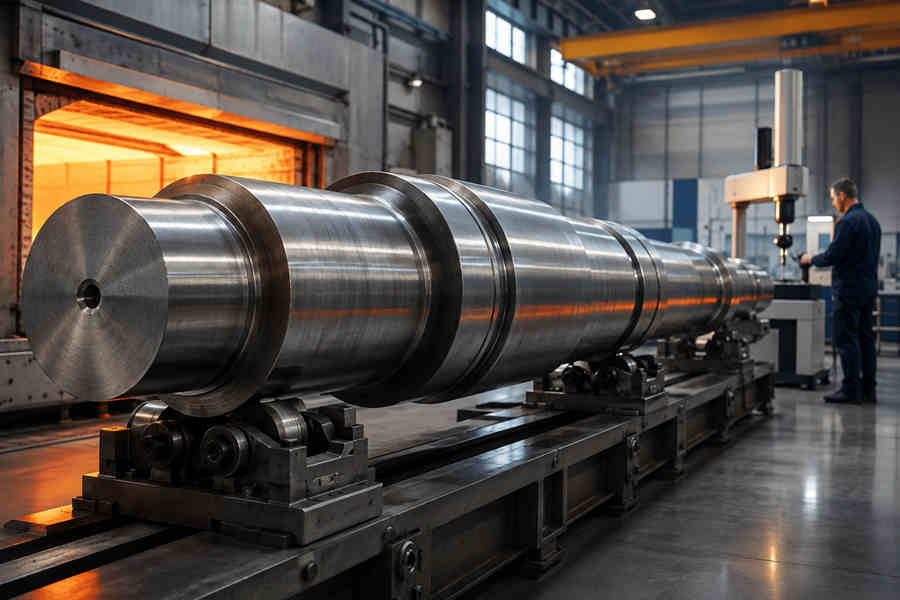
Surface finishing matters a lot for stainless steel cast-made parts, yet it drives up production costs easily. Many buyers only check casting prices, ignoring extra post-casting work, especially for high surface-quality demands.
It’s not just for nice looks; surface finishing impacts real-world performance like rust resistance and part lifespan. Different working scenarios need different treatments, and extra finishing means more time, manpower and checks for makers.
Surface Finishing Operations That Increase Costs
For stainless steel cast parts, surface treatments depend on part condition, structure and real-world use. Each treatment calls for different tools, manual work and quality checks from production teams.
In custom orders, extra costs stem from added processing steps instead of basic finishing. Simple cleaning needs little work, but high-standard items need repeated grinding, polishing and checks before shipment.
| Finishing Operation | Cost Impact | Application |
| Manual Grinding | More labor time | Valve bodies, pump parts |
| Multi-stage Polishing | Longer processing cycles | Food equipment, sanitary parts |
| Internal Finishing | Complex access treatment | Flow channels, cast structures |
| Surface Inspection | Additional quality checks | Precision cast parts |
Complex Part Geometry Increases Finishing Difficulty
Casting part design itself is a major driver of surface finishing costs. Stainless steel castings are commonly made in complex shapes to cut down on machining work, which is a key benefit of casting. That said, these intricate forms can create real headaches when doing surface finishing.
Items like stainless steel valve bodies and pump parts frequently feature:
- Internal passages
- Curved surfaces
- Narrow corners
- Multiple connection areas
- Difficult-to-reach sections
Depending on part size and complexity, these extra operations may add approximately $20–80 per part. For larger pump housings or industrial components requiring extensive manual treatment, the additional finishing cost can reach $100–300+ per part.
If you make custom stainless steel cast parts, planning how to finish surfaces early on cuts down extra work later. When every spot on the part is easy for workers to reach by design, hand polishing work gets way less, and your total production cost drops too.
Higher Surface Requirements Add More Processing Steps
Stainless steel cast parts don’t all need the same smooth surface finish. For most industrial gear, we don’t polish parts just to make them look nice—we do it to help them work better.
Different usage scenarios call for different surface treatments:
- Industrial machinery may focus on durability and dimensional stability.
- Food processing equipment may require smoother surfaces for easier cleaning.
- Chemical equipment may require better corrosion resistance.
- Decorative components may prioritize appearance.
If buyers ask for stricter surface quality, factories have to add extra processing steps. Parts that only need simple grinding will go through extra buffing, washing and checks before delivery.
| Finishing Operation | Additional Processing | Estimated Cost Increase |
| Basic Grinding | Remove casting marks and improve surface condition | About $5–15/part |
| Fine Grinding | Additional surface correction and manual finishing | About $15–40/part |
| Multi-stage Polishing | Several polishing steps with surface inspection | About $40–100/part |
| Precision Surface Finishing | Controlled finishing and detailed measurement | About $80–200+/part |
Stainless Steel Material Characteristics Affect Finishing Methods
Stainless steel cast parts are everywhere in industry since they resist rust and hold up well mechanically, but those great traits make surface finishing far more of a hassle. It’s trickier to finish than regular steel. Too much grinding pressure, the wrong sanding tools, or over-polishing can scratch the surface, leave uneven texture and grind away too much metal.
What’s more, different stainless steel mixes change how hard finishing work is and drive up your processing costs.
For example:
- Austenitic stainless steelprovides good corrosion resistance but usually requires careful polishing control to maintain surface consistency. Additional polishing operations may increase finishing costs by around $20–80 per part.
- Duplex stainless steeloffers higher strength and wear resistance but is more difficult to process, especially for complex castings. Extra grinding and tool wear may add approximately $50–150 per part.
- Heat-resistant stainless steel componentsoften require specialized finishing methods and more detailed inspection. Additional processing costs can reach $100–300+ per part depending on part size and requirements.
Casting Surface Condition Determines Preparation Work
How good the raw stainless steel casting looks before any surface touch-ups directly determines how much extra processing work we’ll end up needing to do.
If we keep the casting process stable and well-managed, there won’t be many surface flaws, which drastically cuts down all the grinding and polishing work later on. On the flip side, if the as-cast surface is full of flaws that need heavy fixing, the cost for surface finishing will jump up really fast.
Common preparation operations include:
- Removing casting marks
- Cleaning residual materials
- Correcting uneven areas
- Eliminating surface defects
- Preparing the surface for polishing
| Casting Surface Condition | Additional Work | Estimated Cost Increase |
| Standard Casting Surface | Cleaning and basic grinding | +$5–20/part |
| Moderate Surface Correction | Extra grinding and defect removal | +$30–100/part |
| Heavy Surface Repair | Multiple correction steps and inspection | +$100–300+/part |
Manual Finishing Requirements Increase Labor Costs
Even with all the advanced finishing machines we have these days, we still rely a lot on hand work for tricky, complicated stainless steel cast pieces.
Manual sanding and polishing of these parts is required under the following circumstances:
- The part shape is irregular
- Internal areas cannot be reached by standard equipment
- Surface appearance needs to remain consistent
- Customer requirements involve customized finishing standards
| Manual Finishing Process | Additional Work | Estimated Cost Increase |
| Manual Grinding | Remove casting marks and improve surface consistency | +$20–80/part |
| Manual Polishing | Multiple polishing steps for smoother surfaces | +$50–150/part |
| Complex Surface Treatment | Difficult areas, internal sections, detailed finishing | +$100–300+/part |
The more unique and custom-made your cast part is, the more hand polishing will drive up your overall production bill. Vendors who’ve worked with stainless steel parts for years can tell exactly which spots need extra touch-ups and which only need basic treatment, so you won’t waste money on pointless manual labor.
How Surface Finishing Affects Different Stainless Steel Cast Components?
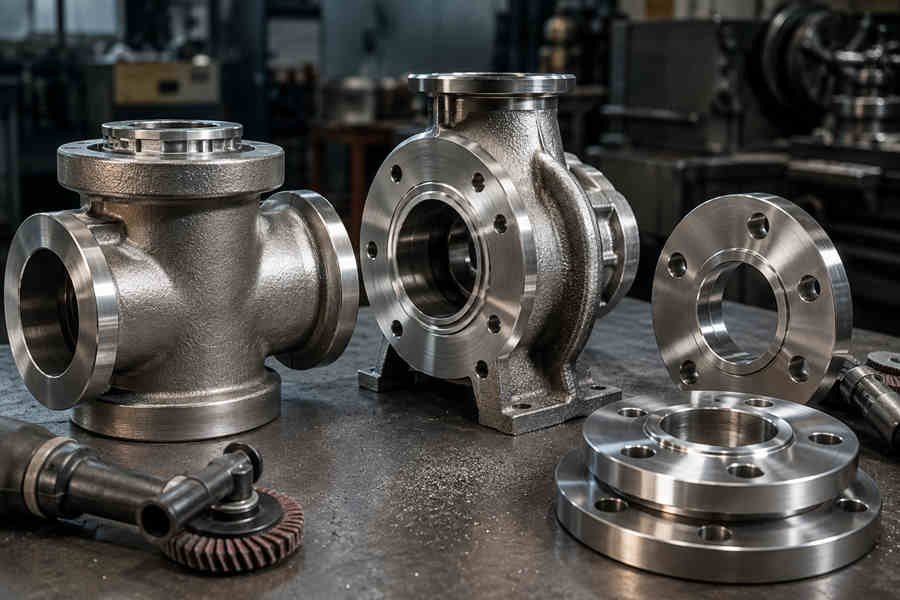
What kind of finish you need for stainless-steel cast parts changes based on their shape, where they’ll work, and what they need to do. Pieces with sealing spots, surfaces touching liquids, or tricky complex shapes generally need far more hand-on work, which pushes up processing costs.
Stainless Steel Valve Bodies
Valve bodies usually require careful finishing around sealing surfaces, connection areas, and internal passages to maintain reliable assembly and sealing performance.
Basic grinding and surface correction may add around $20–50 per part. For valve bodies with complex internal structures or strict surface requirements, additional manual grinding and polishing can increase finishing costs to approximately $80–200+ per part.
Stainless Steel Pump Components
Pump components often operate under continuous pressure and fluid contact, making surface consistency important for flow performance and corrosion resistance.
Standard grinding and cleaning may increase finishing costs by around $30–80 per part. Larger pump housings or components requiring polished fluid-contact surfaces may require additional processing, adding approximately $100–300+ per part.
Stainless Steel Flanges
Stainless steel flanges mainly require accurate finishing on sealing faces and connection areas to ensure proper installation and long-term reliability.
Basic surface treatment may add around $10–40 per part. When sealing surfaces require precision grinding, polishing, or additional inspection, the extra finishing cost can increase to approximately $50–150+ per part.
How to Control Surface Finishing Costs?
Cutting down on finishing costs doesn’t mean you have to settle for poorer quality. A smarter way is to get casting design, actual production work and end-product needs aligned well with one another.
Optimize Part Design Before Production
The earlier finishing requirements are considered, the easier it is to control cost.
During customization, you should evaluate:
- Whether all surfaces require the same finishing level
- Whether difficult structures can be simplified
- Whether critical areas can be identified separately
A reasonable design can reduce unnecessary manual processing. For complex stainless steel cast parts, optimizing part structure before production can help reduce additional grinding and polishing work, which may otherwise add around $50–200+ per part depending on complexity.
Select the Right Finishing Standard
Many cost increases come from unclear surface requirements. For industrial stainless steel castings, customers should define whether the priority is:
- Appearance
- Corrosion resistance
- Cleanability
- Dimensional accuracy
- Functional performance
A food processing component and a heavy machinery component should not follow the same finishing standard.
Choosing a higher surface requirement than necessary can increase finishing costs by approximately $30–150 per part due to additional polishing, inspection, and surface correction steps.
If you’re sourcing custom stainless steel cast parts, surface finishing heavily impacts your final cost. Price depends not just on polishing, but also on part complexity, material, surface expectations and inspection rules.
For custom orders, balance your part design with real-world finishing needs to control costs.
Team up with an experienced supplier and choose practical finishing options. You’ll get dependable parts without paying for unnecessary extra work.