
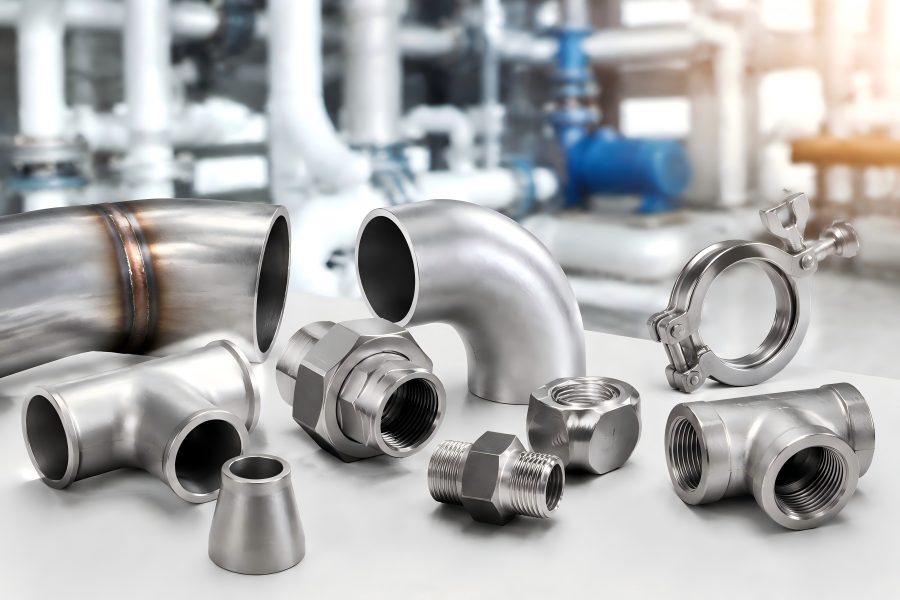
Choosing the right pipe connection is essential for system performance and reliability. Welded, threaded, and clamp fittings each offer different strengths, limitations, and applications for industrial pipelines, water systems, and HVAC installations.
A Quick Comparison
| Feature | Welded | Threaded | Clamp |
| Strength | Very High | Moderate | High |
| Leak Resistance | Excellent | Good (depends on sealant) | Good (depends on gasket quality) |
| Ease of Installation | Moderate to Difficult | Easy | Very Easy |
| Maintenance | Difficult | Easy | Very Easy |
| Reusability | No | Yes | Yes |
| Suitable Pipe Sizes | Any (including large) | Small to Medium | Medium to Large |
| Cost | Moderate to High | Low | Moderate to High |
| Skill Requirement | High | Low | Low |
The table above provides a brief comparison of these three connection methods. The following sections will elaborate in detail on the characteristics, advantages, and typical applications of each type of connector.
Welded Pipe Fittings
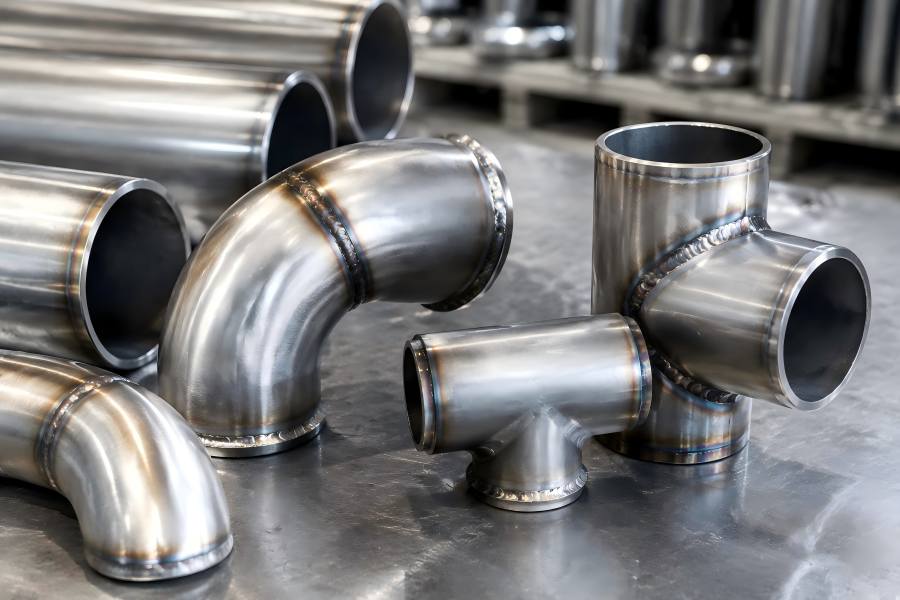
Welded pipe fittings involve permanently joining pipes using welding techniques. Known for their durability, superior leak resistance, and suitability for high-pressure conditions, these connections are commonly used across oil and gas, chemical industries, power plants, and high-temperature applications.
Types of Welded Connections
- Butt Welding: Pipes are aligned end-to-end and welded around the circumference. It provides excellent structural integrity.
- Socket Welding: Pipes are inserted into a recessed fitting and welded around the joint. Suitable for small-diameter pipes and high-pressure applications.
- Fillet Welding: Typically used in structural or bracket attachments rather than fluid pipelines.
Advantages of Welded Fittings
- High Strength: Welded joints can withstand high internal pressure and mechanical stress.
- Leak-Proof: Proper welding creates a continuous metal bond, eliminating gaps that may cause leaks.
- Suitable for High Temperature: Welded joints perform well in extreme thermal conditions, which makes them ideal for steam or chemical pipelines.
- Smooth Flow: Butt-welded fittings provide minimal internal disruption, reducing flow turbulence.
Disadvantages of Welded Fittings
- Requires Skilled Labor: Welding demands trained personnel to ensure proper fusion and avoid weak joints.
- Time-Consuming: Welding can be slower compared to mechanical fittings like clamps or threads.
- Difficult to Modify: Once welded, a joint is permanent. Changing or replacing a section may require cutting and rewelding.
- Inspection Needed: Welded joints often require radiographic or ultrasonic testing to verify integrity.
Ideal Applications
- High-pressure steam or water pipelines
- Chemical processing plants
- Petrochemical and oil refineries
- Structural piping in high-temperature environments
Threaded Pipe Fittings
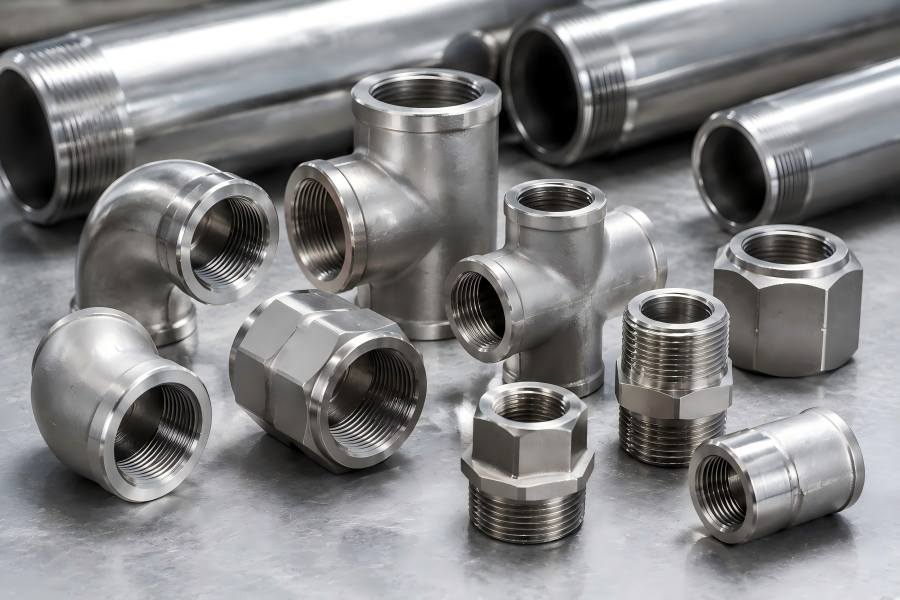
Threaded fittings use screw threads to connect pipes. They are commonly made from metals such as steel, stainless steel, or brass. Threaded connections are widely used in low-to-medium pressure systems, especially for water, gas, and some chemical applications.
Types of Threaded Connections
- Male and Female Threads: One pipe end has external threads (male) while the other has internal threads (female). These screw together to form a seal.
- Tapered Threads (NPT): Provide a tighter seal as threads engage and compress.
- Straight Threads: Often require sealing compounds or gaskets to prevent leaks.
Advantages of Threaded Fittings
- Easy Installation: Requires no special equipment beyond wrenches and sealing materials.
- Reversible: Can be disassembled and reused, making maintenance convenient.
- Cost-Effective: Generally cheaper than welded fittings and faster to install for smaller diameters.
- Flexibility: Ideal for temporary setups or projects that may require reconfiguration.
Disadvantages of Threaded Fittings
- Limited Pressure Capacity: Not ideal for high-pressure systems because threaded joints can leak when exposed to heavy stress.
- Size Limitations: Generally applied to small and medium pipe diameters.
- Potential for Leakage: Improper threading, damaged threads, or poor sealing compounds can lead to leaks.
- Corrosion at Threads: Threads may be more susceptible to corrosion in aggressive environments.
Ideal Applications
- Residential and commercial plumbing
- Gas distribution lines
- Low-pressure water systems
- Compressed air pipelines
Clamp Pipe Fittings
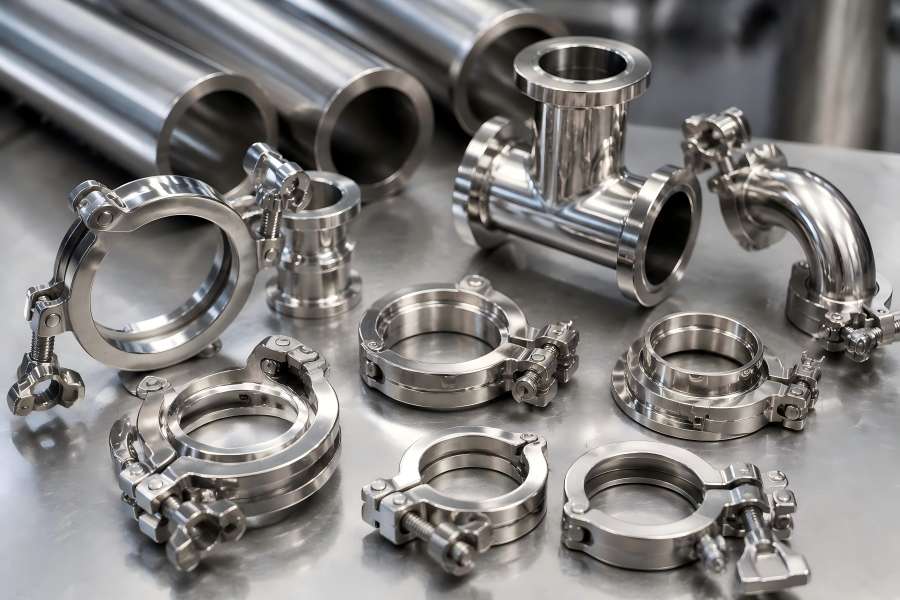
Clamp fittings, also known as mechanical couplings or grooved couplings, use a clamping mechanism to join pipes. These connections are increasingly popular in industrial, municipal, and fire protection systems due to their speed of installation and maintenance benefits.
Types of Clamp Fittings
- Grooved Couplings: Pipes are grooved at the ends and joined using a clamp or coupling housing.
- Saddle Clamps: Fit over a single pipe to branch off or connect auxiliary lines.
- Split Clamps: Wrap around the pipe and use bolts or screws to secure the joint.
Advantages of Clamp Fittings
- Quick Installation: No welding or threading needed; ideal for fast-paced construction projects.
- Easy Maintenance: Allows disassembly for repair or replacement without the need to cut pipes.
- Vibration Absorption: Some clamps provide flexibility, reducing stress caused by vibration or thermal expansion.
- Compatible with Large Diameters: Easier to use on large pipes where welding or threading is challenging.
- No Special Skills Required: Less technical expertise is needed compared to welding.
Disadvantages of Clamp Fittings
- Pressure Limitations: While strong, mechanical clamps may not match the strength of welded connections for extremely high-pressure systems.
- Potential Leakage: Incorrect installation or wear of gaskets can cause leaks.
- Higher Material Costs: Couplings and clamps can be more expensive than basic welded or threaded fittings.
- Aesthetic and Space Constraints: Clamp fittings may protrude and occupy more space.
Ideal Applications
- Fire sprinkler systems
- HVAC piping
- Water treatment plants
- Industrial pipelines requiring frequent maintenance
Factors to Consider When Choosing a Pipe Connection
Selecting the right pipe connection requires a careful evaluation of project-specific factors:
Operating Pressure and Temperature
One of the primary factors is the operating environment of the pipeline. Pipe fittings need to endure the pressure and temperature of the fluids or gases they carry.
- High-Pressure Systems: For pipelines carrying steam, oil, or pressurized gases, welded fittings are usually preferred due to their superior structural integrity. Threaded or clamp fittings may fail under extreme pressure.
- Temperature Extremes: Pipelines exposed to very high or low temperatures require connections that maintain strength without deformation. Welded fittings often perform well in high-temperature situations, while clamps with flexible gaskets can accommodate thermal expansion without leaks.
- Pressure Fluctuations: Systems with frequent pressure spikes may benefit from fittings with some flexibility (e.g., grooved clamps) to absorb shock without failure.
Fluid Type and Corrosion Potential
The chemical properties of the fluid significantly influence the choice of fitting material and connection type.
- Corrosive Fluids: Fluids such as acids, chemicals, or seawater can rapidly degrade poorly chosen materials. Stainless steel welded joints or corrosion-resistant clamps are preferable.
- Clean Fluids: Water, air, or non-aggressive chemicals may allow for threaded or clamp fittings without significant risk.
- Viscous or Particulate-Laden Fluids: Highly viscous liquids or slurries can cause wear at joints. Welded or high-quality clamp fittings reduce leak risk and resist abrasion.
Installation Time and Labor Availability
The availability of skilled labor and project timelines can make a substantial difference in connection selection.
- Limited Skilled Labor: Welding requires certified welders and specialized equipment. Projects without access to skilled labor may favor threaded or clamp fittings.
- Time Constraints: Clamp fittings provide rapid installation, ideal for projects on tight schedules. Threaded fittings are faster for small-diameter pipelines.
- Site Conditions: In remote or confined locations, welding may be difficult. Mechanical fittings offer flexibility in challenging environments.
Maintenance and Accessibility
Ease of maintenance and repair is critical for long-term system performance.
- Frequent Inspection Needs: Clamp and threaded fittings allow for quick disassembly and inspection, which is especially important in industrial plants or municipal pipelines.
- Permanent Systems: If the pipeline is not expected to require frequent maintenance, welded connections offer a long-lasting, leak-proof solution.
- Replacement Costs: Consider how easy it is to replace a damaged section. Clamps and threads reduce labor costs associated with downtime.
Budget and Total Cost of Ownership
The upfront cost of fittings is just one factor; long-term expenses should also be considered.
- Initial Costs: Threaded fittings are generally the most cost-effective for small projects, while welded fittings can be more expensive due to labor and equipment.
- Maintenance Costs: Welded fittings often come with higher upfront costs, but they generally reduce ongoing maintenance needs over time.Clamp fittings might reduce labor costs initially but require periodic gasket replacement.
- Downtime Costs: Projects in critical industries (like oil, water treatment, or chemical processing) may prioritize reliability over upfront savings to avoid expensive shutdowns.
Pipe Size and Layout Complexity
The size of the pipes and the complexity of the layout can influence connection choice.
- Large-Diameter Pipes: Welding or clamp fittings are preferable for larger pipes, as threading large-diameter pipelines is impractical.
- Complex Layouts: For systems with frequent bends, branches, or expansions, clamps provide flexibility and allow for alignment adjustments.
- Modular Designs: Prefabricated piping sections often use clamp or threaded connections for easier on-site assembly.
Vibration, Movement, and Thermal Expansion
Pipelines can experience mechanical stress due to vibrations, ground movement, or thermal expansion.
- Industrial Machinery: Vibration from pumps, compressors, or motors can loosen threaded fittings; clamp fittings with flexible gaskets can absorb vibrations effectively.
- Thermal Expansion: High-temperature systems expand and contract; welded joints are rigid, while clamps can accommodate movement to prevent stress and cracks.
- Seismic or Structural Movement: For buildings or pipelines in earthquake-prone areas, flexible clamps can enhance system resilience.
Regulatory and Safety Compliance
Piping systems must comply with relevant industry standards and regulations.
- Code Requirements: Certain industries, such as oil and gas, pharmaceuticals, or food processing, may require welded joints for safety compliance.
- Pressure and Material Standards: Ensure that the fittings meet ASME, ASTM, ISO, or local regulatory standards for pressure, material, and installation.
- Documentation: Welded fittings often require certification and testing (e.g., X-ray or ultrasonic inspection), while clamp or threaded fittings may have manufacturer documentation confirming suitability.
Environmental and Site Conditions
The environment in which the pipeline operates plays a role in connection selection.
- Outdoor Exposure: UV, rain, and temperature swings can affect clamps or threaded fittings differently. Corrosion-resistant coatings or stainless steel may be required.
- Confined Spaces: In tight or underground installations, mechanical clamps are easier to fit than welding equipment.
- Emergency Scenarios: In systems requiring rapid repair or emergency shutdowns, clamp or threaded fittings allow faster intervention.
Industry Applications
The following is how welded, threaded, and clamp fittings are applied across major industries, including oil and gas, HVAC systems, residential plumbing, and chemical processing environments.
Oil and Gas Pipelines
In oil refineries, pipelines transport high-pressure fluids and gases. Welded fittings dominate these systems due to their ability to withstand extreme pressure, temperature, and chemical exposure. Threaded or clamp fittings are rarely used except in auxiliary low-pressure lines.
HVAC and Fire Sprinkler Systems
Clamp fittings are common in HVAC systems and fire sprinkler networks. The speed of installation, flexibility for adjustments, and vibration absorption make them ideal in these environments. Welded connections are unnecessary unless operating under unusually high pressure or temperature.
Residential Plumbing
Threaded fittings dominate small residential water supply and gas lines. They are simple to install, economical, and best suited for low-pressure systems. Welded or clamp fittings are uncommon in home plumbing.
Chemical Plants
Chemical plants often have corrosive fluids at high temperatures. Welded stainless steel fittings are preferred for process lines to ensure leak-free, long-lasting connections. Clamp fittings may be used for maintenance-friendly auxiliary pipelines.