
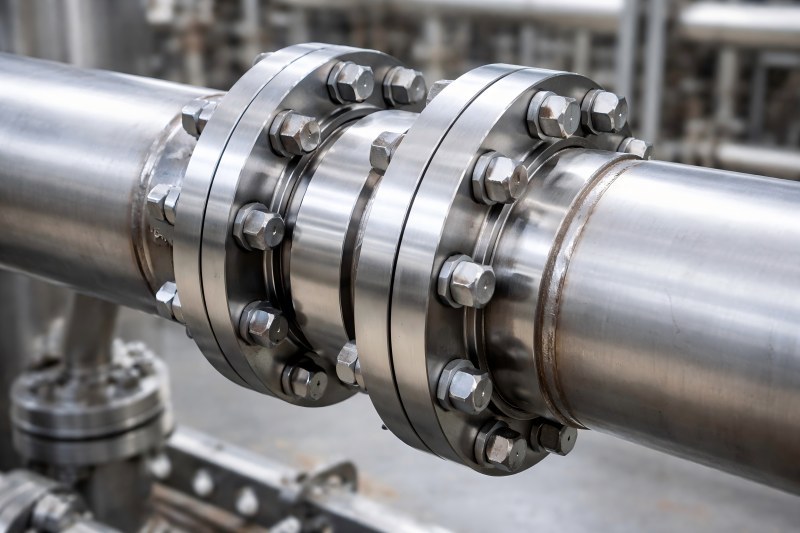
Swivel flanges are essential parts of piping systems when operating dependability, installation simplicity, and alignment flexibility are top concerns. Whether you are working on oil & gas, chemical plants, water systems, HVAC, or industrial processing equipment, selecting the right swivel flange can significantly impact performance, cost, and maintenance.
What Is a Swivel Flange?
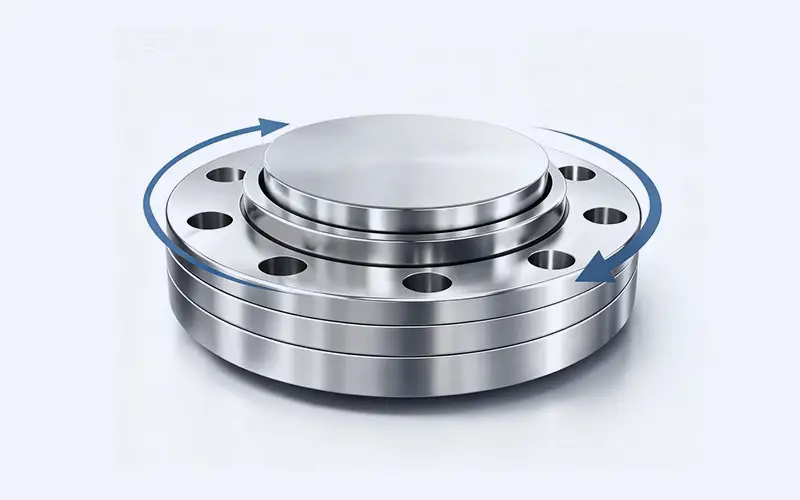
A swivel flange—also called a rotating or swivel ring flange—is a type of pipe flange designed to rotate independently from the pipe body. This rotation allows easier alignment during installation without having to rotate the entire pipe spool.
Key Benefits of Swivel Flanges
- Easier alignment in a tight space
- Reduces piping stresses
- Speeds up assembly and maintenance
- Enhances joint integrity
Key Selection Criteria
Choosing the right swivel flange involves evaluating operating conditions, material compatibility, size and ratings, design standards, and special application requirements.
Operating Conditions
Swivel flanges must withstand the pressure, temperature, and media characteristics of your system.
Pressure and Temperature Ratings
These define the mechanical capabilities of the flange. Always choose a flange rated for the highest temperature and pressure you anticipate.
| Pressure Rating | Typical Use Case |
| ANSI 150 | Light industrial & low-pressure piping |
| ANSI 300 | Moderate service and steam lines |
| ANSI 600 | High-pressure oil & gas service |
| ANSI 900+ | Critical high-performance systems |
Tip: Never operate a flange above its rated class.
Fluid Type and Corrosion
Media such as acids, saltwater, or gaseous hydrocarbons can significantly influence material selection.
| Media Type | Recommended Material | Notes |
| Fresh water | Carbon Steel | Economical, adequate for low corrosion |
| Seawater or salinity | Duplex/Super Duplex | Excellent corrosion resistance |
| Acids (HCl, H2SO4) | Hastelloy, Alloy 20 | High corrosion resistance |
| High-temp steam | Stainless Steel | Handles thermal cycling well |
| Cryogenic applications | Low-temp steels | Maintains ductility at low temperatures |
Material Selection
Choosing the right material ensures long service life and avoids unexpected failures.
Common Materials Used in Swivel Flanges
- Carbon Steel: Cost-effective, widely used, with limited corrosion resistance.
- Stainless Steel (304/316): Good corrosion resistance; 316 is better against chlorides.
- High strength and resistance to corrosion make Duplex and Super Duplex stainless steel perfect for harsh settings.
- Alloys (Inconel, Hastelloy): Excellent performance under extreme temperature & corrosive conditions.
Material Comparison Table
| Material Type | Corrosion Resistance | Strength | Cost | Best Application |
| Carbon Steel | Low | Medium | Low | General water/fuel lines |
| Stainless Steel 304 | Medium | Medium | Medium | Food processing, mild corrosives |
| Stainless Steel 316 | High | Medium | Medium-High | Marine, chemical handling |
| Duplex Stainless Steel | Very High | Very High | High | Oil & gas, offshore |
| Alloy (Hastelloy, etc.) | Extremely High | High | Very High | Chemical reactors, extreme conditions |
Sizing and Standardization
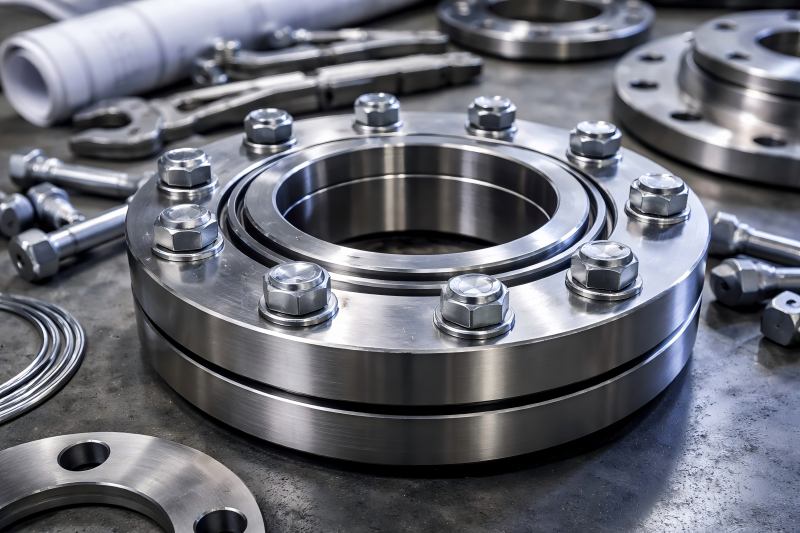
To ensure compatibility with existing pipelines, you must consider standardized dimensions and pressure class compatibility.
Flange Standards
Choosing products made to widely recognized standards assures performance consistency and interchangeability.
| Standard Organization | Region/Coverage | Notes |
| ANSI/ASME B16.5 | USA / International | Most common for forged flanges |
| DIN EN 1092 | Europe | European standard for steel flanges |
| API 6A/16A | Oil & Gas industry | High pressure wellhead equipment |
| BS 4504 | UK standard | Often used in civil engineering |
Always verify that pipe and flange standards match.
Flange Size and Configuration
Swivel flanges are available in sizes from ½″ to 24″ and above. Selection is based on pipe diameter, schedule (thickness), and application.
Pipe Size Selection Checklist
- Match flange bore to pipe inner diameter (ID)
- Verify the type of flange face (RTJ, raised face, flat face).
- Ensure alignment tolerance meets installation needs
Flange Face Types and Gaskets
The flange face and gasket materials are essential to creating leak proof joints.
| Flange Face Type | Gasket Used | Application |
| Raised Face (RF) | Spiral wound, ring gasket | Most general applications |
| Flat Face (FF) | Full face gasket | Low pressure protects bolting |
| Ring Type Joint (RTJ) | Metal ring gasket | High-pressure / critical services |
| Tongue & Groove | Full face gasket | Specialized sealing needs |
RTJ flanges with metal ring gaskets are advised for high-pressure or severe services.
Mechanical Aspects
Examine the mechanical characteristics and long-term performance in addition to the material and size.
Alignment Capabilities
Swivel flanges excel when pipe misalignment is likely. However, assess:
- Degree of rotation allowed
- Locking mechanisms
- Ease of assembly in restricted spaces
The swivel action should not compromise sealing integrity under operating pressures.
Bolt and Fastener Selection
Bolting choice affects safety and longevity.
| Bolt Material | Best Use Case | Corrosion Resistance |
| Carbon steel | General, low-stress | Low |
| Stainless steel | Corrosion environments | Medium |
| Alloy steel (e.g., Inconel) | High temp/pressure | High |
To avoid gasket creep and flange distortion, always tighten bolts uniformly in a star pattern.
Special Application Factors
Different industries demand different considerations:
High-Vibration Systems
In vibrating environments (e.g., pumps, compressors), you may need:
- Lock washers
- High tensile bolts
- Safety stop nuts
This prevents loosening over time.
Extreme Temperatures
At very high or low temperatures:
- Thermal expansion can affect flange bolts
- Choose materials with stable mechanical properties
- Certain alloys (e.g., Inconel) retain strength under thermal stress
Hazardous or Deadly Media
For toxic, flammable, or explosive substances:
- Use materials with excellent corrosion resistance
- Prevent leaks at all costs (RTJ face recommended)
- Comply with industry safety standards (API, ASME, OSHA)
Cost vs. Performance Trade-off
Selecting the right swivel flange involves balancing cost with performance. Although higher-grade materials are more expensive initially, they require less upkeep over time, particularly in severe settings.
Example Cost Considerations by Material
| Material | Approx. Cost (Relative) | Typical ROI Comments |
| Carbon Steel | Low | Economical but may corrode faster |
| Stainless Steel 316 | Medium | Long service, good corrosion resistance |
| Duplex | High | Excellent for aggressive conditions; longer lifespan |
| Exotic Alloys | Very High | Best for extreme conditions; expensive |
Return on investment often favors corrosion resistant materials in long term or critical projects.
Producer and Quality Control
Selecting reliable manufacturers guarantees dependable performance and adherence to industry norms.
Questions to Ask Suppliers
✔ Are the swivel flanges manufactured to ANSI/ASME/DIN standards?
✔ Is material traceability (mill certificates) available?
✔ Is hydrostatic testing performed before shipment?
✔ Are inspection certificates included (NDT, PMI, PMI)?
Common Mistakes to Avoid
Understanding common pitfalls helps avoid installation errors and premature failures.
Common Selection Errors
- Oversizing the flange leads to unnecessary costs and space issues
- Ignoring temperature influence – materials behave differently as temperature changes
- Failing to match standards – incompatible flange and pipe standards cause leaks
- Underestimating corrosion factors leads to frequent replacements
- Poor bolt selection – wrong bolts can fail and cause joint leakage
Installation Best Practices for Swivel Flanges
Proper installation ensures flange reliability and longevity.
Step-by-Step Checklist
- Clean flange and gasket surfaces.
- Align the swivel flange with the pipe and the mating flange.
- Insert the correct gasket type.
- Insert bolts and nuts loosely.
- Torque in the star pattern to the recommended torque.
- Check for leaks during steam-up or pressurization.
Case Study Examples
Case 1: Chemical Plant Expansion
A chemical processing facility replaced fixed flanges with swivel flanges in tight conduit areas. This reduced installation time by 30% and eliminated mis alignment stress for future maintenance.
Case 2: Offshore Platform
Duplex stainless steel swivel flanges were selected for seawater injection lines due to superior corrosion resistance. This minimized replacements and downtime.
Summary Checklist
Before finalizing a swivel flange purchase, ensure:
- Sizing matches pipe dimensions
- Material meets media corrosion and temperature requirements
- Pressure class is adequate
- Face type and gasket are appropriate
- Bolting and fasteners are correctly specified
- Supplier provides certificates and testing documentation
Choosing the right swivel flange is a blend of engineering judgment, standards compliance, and real world performance expectations. Longer service life, fewer leaks, and simpler maintenance are the results of careful selection up front.