
Socket weld flanges are commonly used in high-pressure, small-bore piping systems, providing secure, leak-proof connections. However, they can experience failures that compromise the piping system’s integrity, leading to leaks, maintenance issues, and costly repairs. This article covers common socket weld flange failures and how to prevent or address them, offering insights for engineers, technicians, and maintenance personnel in industries like oil and gas, chemical processing, power generation, and HVAC systems.
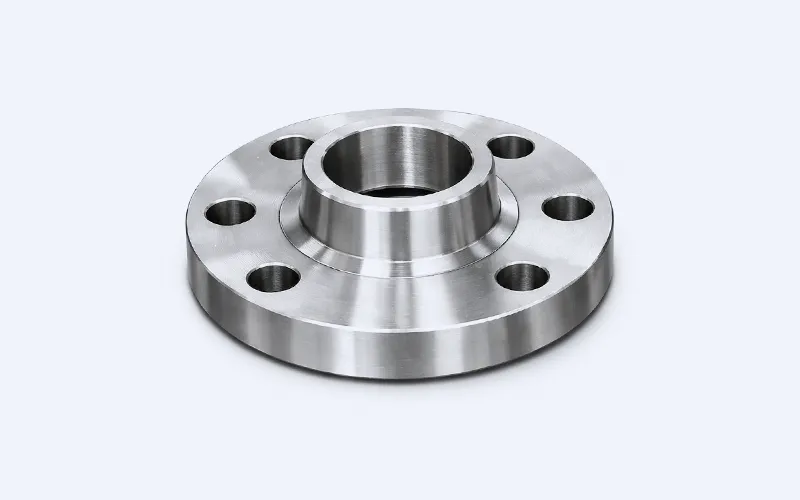
A socket weld flange: what is it?
A socket weld flange is a flange that has a socket-shaped bore where a pipe is inserted and welded. The connection provides a strong, permanent joint that is ideal for high-pressure applications. In small-diameter pipes (usually up to 2 inches), where safe and leak-proof connections are essential, socket weld flanges are frequently utilized. They are commonly used in essential industries like petrochemical plants, power stations, and offshore drilling operations.
The installation of a socket weld flange requires careful preparation and welding to ensure the pipe is properly aligned and securely attached to the flange. However, improper installation or subpar materials can lead to several types of failures, which can compromise the system’s overall performance.
Common Socket Weld Flange Failures
Leakage Due to Poor Welding
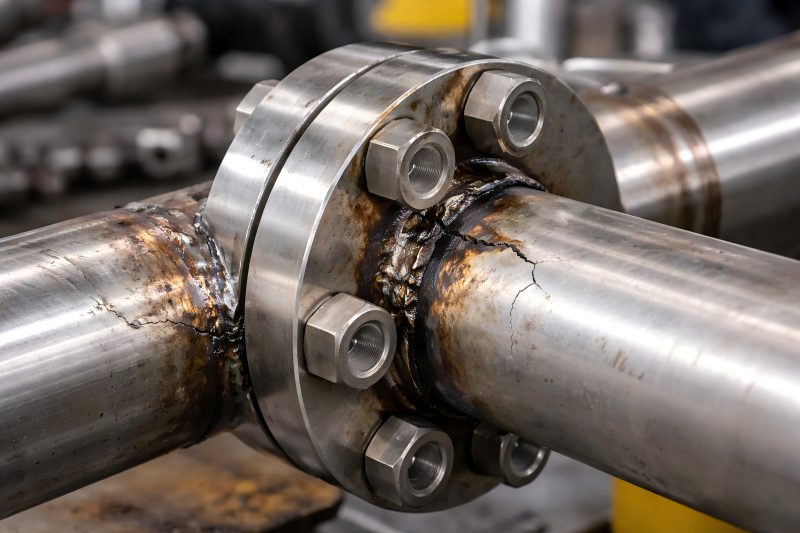
One of the most common failures in socket weld flanges is leakage at the welded joint. A weak or incomplete weld can create gaps or voids, leading to leaks under pressure. Leaks can occur at the weld throat, where the pipe and flange are joined, or around the flange face, where the flange connects to the pipe.
Causes of Poor Welding:
- Insufficient heat input: Inadequate heat during the welding process can result in a weak weld, leading to cracking and leakage.
- Improper filler material: The wrong type of filler material can weaken the weld, compromising the strength and integrity of the joint.
- Contamination: Any contaminants (such as oil, dirt, or rust) present during welding can lead to poor weld quality and increase the likelihood of leaks.
- Inconsistent welding technique: Lack of skill or experience in welding can result in inconsistent bead application, leading to weak areas that are prone to failure.
How to Address Poor Welding:
- Ensure proper welding procedures: Follow established welding standards and procedures to achieve consistent results. Depending on the kind of pipe and flange, use the appropriate filler material and welding process.
- Inspect the welds: After welding, inspect the joint thoroughly for any defects, such as cracks, voids, or undercuts. Internal defects can be found using non-destructive testing (NDT) techniques as X-ray or ultrasonic inspection.
- Clean the surfaces: Before welding, clean the flange and pipe surfaces to remove contaminants, such as oil, rust, or scale, that could affect weld quality.
Misalignment of the Pipe and Flange
Misalignment of the pipe and flange during installation can lead to stresses that compromise the strength of the weld. This misalignment can occur when the pipe is inserted into the flange socket at an incorrect angle or when the flange is not properly aligned with the adjacent flange or pipe.
Causes of Misalignment:
- Improper fitting: If the pipe is not properly aligned within the socket, it can result in uneven welding or stress concentration points, which can lead to failure over time.
- Improper use of alignment tools: Lack of proper tools or techniques to align the pipe and flange can cause misalignment, leading to stress on the welded joint.
- Thermal expansion: Differences in thermal expansion rates between the pipe and flange material during welding can also lead to misalignment.
How to Address Misalignment:
- Use proper alignment tools: Use pipe clamps, wedges, or jigs to ensure that the pipe and flange are aligned correctly before welding. This will prevent misalignment during installation.
- Check alignment frequently: During the installation process, double-check the alignment of the pipe and flange to ensure that everything is in the correct position.
- Account for thermal expansion: Ensure that the materials used for both the pipe and flange have similar thermal expansion coefficients. This will help prevent misalignment during the welding process.
Corrosion of the Flange and Weld Area
Corrosion is a significant concern when working with socket weld flanges, especially in industries where pipes are exposed to aggressive chemicals, high temperatures, or harsh environments. Corrosion can occur on the surface of the flange, around the weld area, or inside the pipe, weakening the connection over time.
Reasons for Corrosion:
- Inadequate material selection: Flange failure may result from the use of inferior, corrosion-prone materials. For example, carbon steel flanges in corrosive environments will degrade more quickly than stainless steel or alloy flanges.
- Inadequate protection: If the flange is not properly coated or treated to resist corrosion, exposure to moisture, chemicals, or heat can lead to rust or pitting.
- Weld contamination: Welding in the presence of contaminants can lead to poor weld quality and an increased risk of corrosion.
How to Address Corrosion:
- Choose the right materials: Select corrosion-resistant materials for socket weld flanges, such as stainless steel or alloy steels, for applications involving exposure to harsh environments.
- Apply protective coatings: Use coatings or anti-corrosion treatments on the flange and welded areas to prevent rust and other forms of corrosion.
- Implement regular inspections: Conduct regular inspections of the flange and weld area to identify early signs of corrosion, such as rust, pitting, or discoloration.
Stress Cracking and Fatigue
Socket weld flanges are designed to withstand high pressure, but under certain conditions, the welded joint can experience stress cracking or fatigue failure. This typically occurs when the system is subjected to high-pressure fluctuations, vibration, or thermal cycling over time.
Causes of Stress Cracking:
- Improper welding technique: A weld that is too brittle or improperly fused can lead to stress cracking over time.
- Pressure cycling: If the system experiences repeated pressure fluctuations, it can cause fatigue in the weld, leading to cracks.
- Excessive vibration: Mechanical vibration from pumps, compressors, or machinery can put additional stress on the weld, causing it to crack.
How to Address Stress Cracking:
- Control pressure fluctuations: Implement pressure control measures to prevent rapid pressure changes that could lead to stress on the weld. Using pressure relief valves or surge tanks can help mitigate pressure fluctuations.
- Improve weld strength: Use welding techniques that promote ductility and flexibility in the weld. Avoid brittle welds, and ensure the filler material matches the pipe and flange material.
- Reduce vibration: If vibration is an issue, consider installing vibration-dampening equipment or re-engineering the system to reduce mechanical stresses on the flange connection.
Over-tightening or Under-tightening the Flange Bolts
Improperly tightening the bolts that secure the socket weld flange to the adjoining pipe or flange can cause leakage, flange distortion, or damage to the flange face. While under-tightening might result in leaks and insufficient sealing, over-tightening can cause flange warping.
Causes of Improper Bolt Tightening:
- Inconsistent torque application: Applying uneven or excessive torque to the bolts can cause an uneven flange seal, leading to leakage or flange deformation.
- Lack of torque wrench: Not using a calibrated torque wrench can result in bolts being tightened beyond or below the recommended torque specifications.
How to Address Improper Bolt Tightening:
- Use a calibrated torque wrench: Always use a calibrated torque wrench to ensure the correct amount of torque is applied to each bolt.
- Follow a cross-pattern tightening sequence: Tighten the bolts in a crisscross pattern to ensure even pressure distribution across the flange.
- Check bolt torque regularly: Re-check the torque on the flange bolts after the installation is complete and periodically throughout the life of the system.
Socket weld flanges are crucial for high-pressure piping systems but are susceptible to failures like poor welding, misalignment, corrosion, stress cracking, and improper bolt tightening. Engineers and maintenance teams can prevent these issues through proper installation, regular inspections, and proactive solutions. This ensures reliable, leak-proof connections, reduces downtime, and extends flange life.